[00:07]
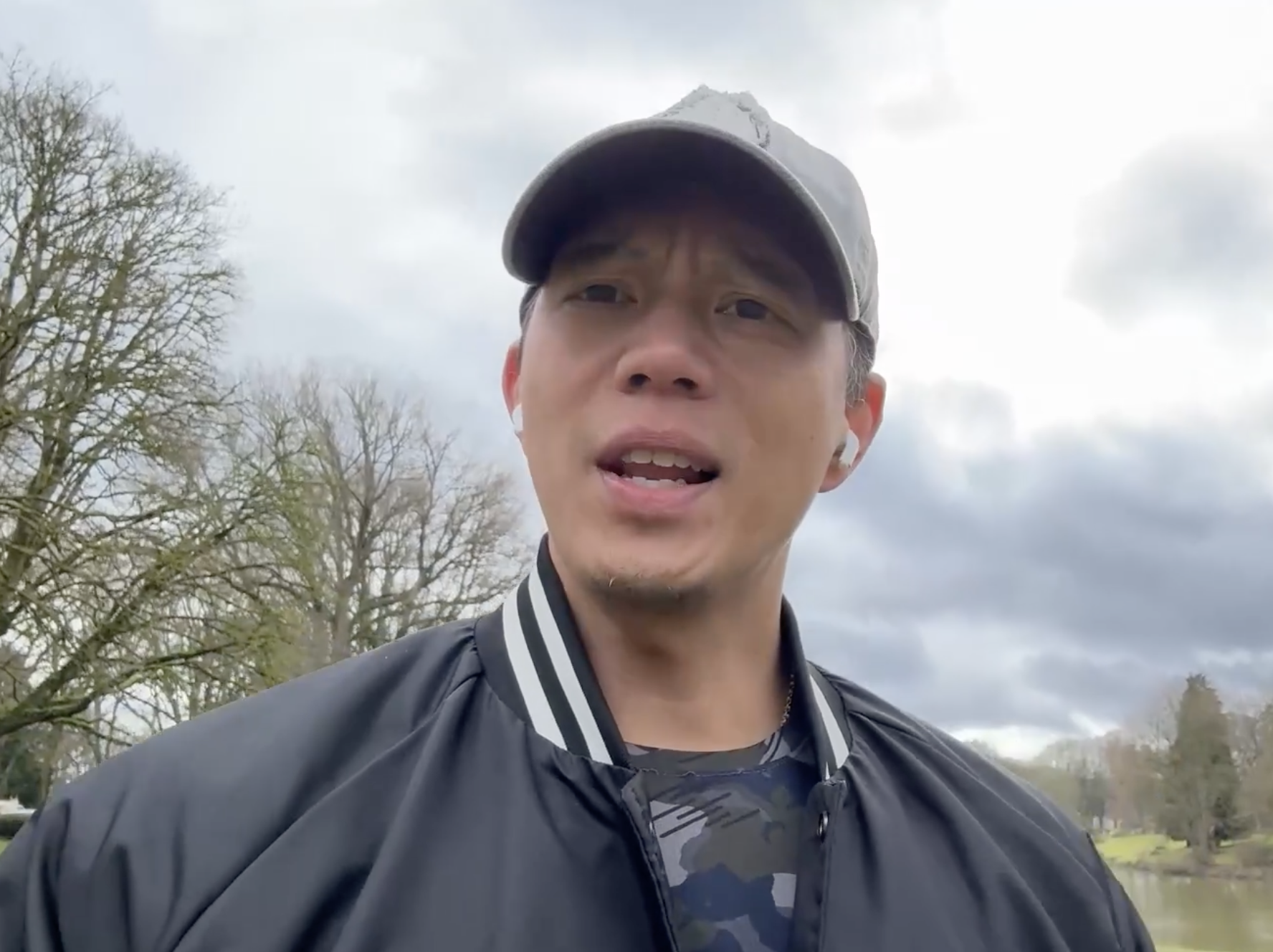
Hey, this is Savan. post of Life Between Titles. It's been exactly a year now since I've left my post with the Department of Defense. And I figured it's time. It's time to tell my story. It's time to let everybody know how it all went down when I left. So for the last year and some change, I had been working within the Chief Information Officer office as the first customer experience officer. I absolutely loved my job. I loved the people I worked with. I loved everything about it. I worked under the first Trump administration. I worked under the entire Biden administration. And then I worked under part of the second Trump administration. And I loved every mission that we went on. I loved every project that we had. were, you know, crazy days, but there were also great days filled with great people. But under the second Trump administration, they rolled out this deferred resignation program, which essentially said, you know, if you aren't fully committed to your job, essentially you have the option to leave and we will pay you to leave we'll give you six months. And at the time you know I was thinking about it there's
There was a lot of travel that I had done over the last close to 10 years. I felt like the DRP, especially considering sort of like how things were going for me personally, was a pretty decent option. you know, I had thought about it when the DRP came out and then, I don't know if it was a couple of days later or a couple of weeks later, but the return to office mandate had dropped and there was no way in hell I was moving to DC. I'm living in a small town called Longview right now in Washington and you know that that just wasn't going to happen. So I told my office that I was going to take the DRP and you know made the all the appropriate sort of communication with them expressing my intent to leave my post and everything was great. We had talked it through and let my team know. And you know, about a week before my actual leave date, my official leave date, I'd gotten this email that said, Hey, Savan you know, we can't actually offer you the DRP because you're an HQE, which essentially means that you're an at will employee. And at will employees are subject to employment at will, which means that I wasn't eligible for the program, long story short. And HQEs are this really weird breed within the Department of Defense in that we're highly qualified experts, but we're also at this executive band where you can essentially scrub in for SESs,
which is the executive layer of all the employees within the department. But we also don't have certain authorities, like we can't manage people, we can't give people reviews, we can't do really any of those things around pupil management. And I also think that the department is the only, and I also think that the DOD is the only department that has HQEs. But I could be wrong about that, but I don't think any of other ones do. So I take the, you know, the offer they gave me and then they rescind it and they say, all right, well, we're sorry. We can't give it to you. See you later. So that was exactly end of March last year. So I'm thinking, all right, shoot. Well, well that really sucks. you know, I was holding people to their word, but at the same time, I also feel like there were so many people that were very confused and It was a very chaotic time. Nobody really knew what was going on. And I feel like people had the best intentions, but it's hard to sort of like manage that chaos. And when it's at that scale, when you're talking about the entire federal government, I don't blame anybody on my team. I think they did have the best intentions, but at the end of the day, I wasn't able to take advantage of the DRP. my last day comes and goes, I have, I'm trying to figure out sort of like what's new. And you know, what's funny is whenever you end up leaving somewhere, or at least I do, you always get people that say, you know what? You're, you're not going to have any problems. Like you're going to land on your feet real quick. It's going to be so easy. And I.
In some ways I thought about that and I'm just like in the back of my head I already knew that it could be maybe a while before I found something that fit me. I something that really sort of like packed all the Savan boxes. And so I was worried. There was a lot that I was worried about because you my wife was working a part-time job as well and I was essentially the breadwinner.
You know, the first couple of weeks it was all right. put a post on LinkedIn just saying, hey, like I've left the DOD. I actually wrote an op-ed for Defense Scoop about, you know, all the stuff that was going on. And I was pretty optimistic about things. You know, I had a bunch of great clients that ended up needing help. So I was able to meet new people and take up a couple contract gigs and, you know, was, it was not that bad for the, for the first few months. And so I had then, you know, set up my, my home office. I was doing a lot of this, contract work and at the same time I'm thinking, man, I'm not, I'm not built to do contract work long-term. Like that is not sort of like something that I love because I really wanted to be invested in whatever organization that I'm supporting. so, you know, the contracts that came and went. There was a lot of other miscellaneous opportunities that I had in front of me, but nothing really checked the box. Nothing really sort of like stood out in terms of home runs. And nothing really stood out and nothing really solid in terms of options that I had in front of me. At the back of my head, I'm just, you I'm thinking like, all right, everybody sort of assumes that everybody assumes that you're going to land on your feet because of who you are and what you've done. But man, in this job market, it's really, really, really hard to stand out in many ways. I was talking to a friend of mine and we were talking about the different layers of challenges that you have, especially like I'm in my mid forties and you know,
I'm not looking for entry level jobs anymore. There's a certain level that I feel I would be most productive at and most beneficial to for organizations. And those are far and few in between. And then, you you cut that up even more and you're talking about remote jobs and that gets even slimmer. you know, it's one of those things where you just have... you just start to realize that, you know, what's in front of you could be a lot longer and a lot harder than what you anticipated. And so the first two months were pretty decent, I would say. I stayed pretty busy. And then in October, I kicked off this podcast and it was after talking to my friend and she's talking about her struggles and she was a an amazing executive for a financial company, a bunch of financial companies. And she was struggling as well. And so we kicked off this podcast, hoping to sort of capture the essence of what everybody else was feeling, you know, in some ways, they tell you to network and they tell you to get out there. and have conversations. But the first thing that you really got to get over is this sense of pride that you that you had and what that looks like. You know, when when your job goes away and all of sudden you're sort of like telling people that you're looking for work versus the boss at some, you know, big time place. So swallowing that pride early was was a big thing for me. Just really trying to focus in on what it is that I want to do with my life and what it is that I want to get out of it. And you couple all of this with this anxiety of, I still have bills to pay. I still have things that I need to do in terms of making sure that we have some sort of care from a medical perspective. And some of those things go by the wayside, right?
[11:12]
It doesn't matter how much planning you can do. There are going to be things that life throws at you that you just don't anticipate. And so, you know, I had a lot of those things come up where... You know, for the first couple of months, I actually didn't apply for unemployment. was like, there's no fucking way in hell that I'm going to be unemployed for this long. So why, why am I even going to do that? And finally, you know, I just had to realize, shoot, I should probably apply for unemployment. And so I did. And, I did a bunch of networking and a bunch of things, around, you know, reaching out to people and asking about, about, you know, what's out there. It's hard because I think people want to help you, but with this environment right now and with where things are at, I don't think people really know how in the best way. And so I don't blame any of them, right? I don't blame any of the people that I've reached out to that don't email me back, that don't respond back. I know shit's hard. I know shit is like, In many ways you're in this lose lose situation where people that are even working right now, maybe they're hesitant to leave as well because they're in these bad situations. So it's a there's no win for anybody in those in those cases. And when I first started applying, it was just like everybody else, you know, I was on LinkedIn. Especially when I was getting unemployment, like I did my three a day, randomly hitting submit to applications and I'd be lucky if I actually got an auto response for some of them. I feel like it is one of those situations where you take the time to craft the right language and you try to write a good cover letter and you send it out and sometimes you get a response, sometimes you don't.
A lot of times if I'm lucky, I'll get a, like we got your application, but you're not a good fit for us and we were moving on. And there's even more times where, know, I've gotten to sort of like that second or third step and you could almost already tell, you could almost already tell that there's when you're not going to get something or you're not going to move on because, There's just that silence. when there's no silence, when there's that silence, it's almost a giveaway to the fact that you're not going to be moving on. so, had a lot of that happen. You know, it just seems like there's this lack of communication that's been happening. And it's not just one or two companies. It's not just one or two industries, but across the board, it's just been exceptionally hard. to get people to respond. It's just the simplest thing you'd think to write people back and let them know. But it's not even happening nowadays. And so, you know, fast forward that six months from when I had left my job, I'm still looking and still have, I probably still have a bunch of applications and a bunch of conversations that are midway through that I don't even know where the hell they are. And at some point, you know, you just get overwhelmed and you don't want to poke the bear anymore. And you, you try to figure out, you know, what are some other things to keep you busy? And, know, I've those tips that I talked about in a previous video, those aren't bullshit tips. You know, those have helped me out big time. And I'll tell you what, like there's, and I'll tell you what, there's, there's a lot of inner reflection that I've done.
And for people that haven't done it, I highly suggest it because, you know, I had this conversation with my wife and we were just talking about all the things that I had to get used to doing that I wasn't used to doing because now I'm sort of the stay at home dad, which I absolutely love. But it's just a different way of working. It's just a different way of seeing meaning in your own life that you that you never looked at before or that you never anticipated before. And you have to try to find ways to make yourself feel valuable. And I don't know, man. It's really hard when you originally had value in this paycheck you brought in and the impact you made, but now you've got to find value maybe in other things like, hey, I got my daughter to school on time or. I like I, I patched up that drywall that's been bothering us for years or, you know, I got the groceries and I got dinner made and, um, you know, nobody's gonna, gonna thank you for that day in and day out. But I think like personally, you just have to figure out sort of how you can reconcile those feelings. Um, so it took me a long, long time to, to really sort of grasp and, You know, a big part of that is during this time I had, I had, you know, this, this weird feeling that I was struggling and that I was in this place where I didn't know why I was struggling with some of these things. And anybody that knows me knows like I'm always one of those guys that that loves to do things. I'll never sit still. I'm always sort of on the go and I've always got a bunch of ideas. And I always have a bunch of ideas and it's hard for me to be locked in anywhere. And the lists, the tasks got overwhelming finally and I just couldn't do anymore. And finally I was like, man, maybe I should go get checked out.
Maybe I should go get professional help and see what the hell is wrong, see what's going on with me. So I scheduled a doctor visit and, you know, for the first time ever, a bunch of tests and, they had told me during the doctor visit, I'd scored a 16 out of 18 and, I was officially diagnosed with ADHD. never in a million years that I even think about that. Like I didn't think that I had any of those tendencies, but you don't really sort of like know, you know, during your work or during school or whatever, that you have those tendencies. And it takes other people to be like, Savan like, I think you you may be, you know, Savan, I think you may have ADHD, or I think you may want to see if you you can go get help. So I did and you know I've been I've gotten I've gotten great advice and ever since then I actually feel so much better. It feel like I can I can structure my days and I can do the things they need to do throughout the day. Even though you know it's been only a few weeks. Sleeping has been a little bit harder than than usual but I feel like if I hadn't done the self-assessment where I really sort of like sat down and try to figure out, you know, what's going on with me and why am I struggling in these certain areas? I would never have been diagnosed with this. in many ways it's a blessing in disguise. So I still, you we still have issues here with, we still have issues here with, you know, managing a budget, a very tight and strict budget. I can't do the things that we used to do. You know, Christmas was tighter than usual, birthdays are tighter than usual. All the things that we had sort of been accustomed to has been exceptionally hard. And a year later, you know, I'm still in that boat.
I never thought it would take this long, but I'm generally hopeful. I'm generally an optimistic guy. I generally think that the things that are put in front of you are there for a reason. But I've also come to realize that maybe embracing the suck and embracing the pain is not a bad thing. It's much harder for me to do because I generally don't operate in that way, but I think it has been helpful just to, you know, give the pain and the anxiety a name so I can identify it in my head. But yeah, it's rough. It's really rough. And so for those of you that are still going through it, those of you that have been laid off, that have done the search like I have, that have gotten very close to getting a job, but you know, maybe we're passed up, or that are in a place where you're struggling. You're not alone. You're not alone. And it could take a while. It could take a long while, but reach out, give yourself some love, make sure that you're taking care of the foundation of who you are, whether that's through therapy or medication or religion or exercise. But hang in there. Hang in there.
[22:03]
Alright, this is Savan your host. I'm out. Till the next one.