[00:01]
Welcome to Work Unscripted. I'm your host, Savan, and today I've got my new friend, Anthony, who also goes by Tito. We'll get into that in a little bit. But Anthony, brother, how are you? Good morning.
Hey, I'm good Savannah. Thanks for so much for having me, bro. I'm glad to be here, bro.
Nah man, the pleasure is all mine my friend. We're gonna get into a lot of things today and we're gonna dive into your book that you have out. But before we do that, before we do that, I read parts of your book last night, so thank you for saying that to me. One of the things I wanna start with was you were a big sports fan growing up. You played a lot of basketball you said. What was one, your favorite part about playing basketball growing up, and two, how many points was your highest amount of points you scored in a game?
Okay, yeah, man, that's an awesome question. So one of the biggest lessons I learned from basketball, I actually didn't sort of realize I learned it till later. But we had this coach come down from basketball camp one time and it was from Lenoir Ryan College. And I recently found out he passed away a few months ago. this older man would get to this free throw line, he would shoot 100 free throws, man. And I swear to God, he may have missed one, man. And the point he was making was the key to life. to the key to success in life and anything is repetition. And I realized that, you know, especially later being an aviator, we're often creatures of habits, you know, and that was the biggest, I guess my favorite part was, was learning that valuable lesson of just, just hard work. And, know, at the end of the day, man, like, I don't, a lot of people aren't born with the best athletic abilities or, you know, certain abilities, but if you work at anything enough and do it enough, it'll come to fruit.
yeah.
Gotcha, I gotcha, that's awesome man, that's awesome man. Hey Anthony, I want to maybe start with a question that you may have gotten asked, but maybe not, but you've had a bunch of roles in your life, you've done a bunch of things. You were a gunship operator, a firefighter, a husband, and now an author. When you meet a complete stranger now, How do you describe yourself to them?
I describe myself as a man that was never satisfied in one place. I had many, many jobs in the Air Force and a man that in the end of the day realizes you can't take anything with you when you go. There's no hearse behind a U-Haul. So man, I just wanna die living and I wanna make a difference in someone else's life being remembered for just lending a hand, man.
Yeah, dude, that's awesome. I love that and I love that for so many reasons. Tell me about growing up. You had mentioned in the book you were near a river. Tell me about the river. Tell me about the Appalachian Mountains because I always found that area to be so fascinating. What was that like?
It's a beautiful place to grow up in, man. I tell people we get all four seasons and it's almost like you're living in a temperate rain forest more than anything. Especially like in the fall, you'll see these beautiful orange and yellow colors in the leaves and stuff like that. And people pay a lot of money, honestly, just to come see the mountains and what it's got to offer. the good thing about outdoor stuff, because back then there wasn't lot of, or any really social media and stuff like that. So it was good to get out of the house and actually if I wouldn't have fun, I'd walk. half a mile down the road to the Tuckasee-gee River. And as far as the Appalachians go itself, you have this sort of this melting pot of like, the Scottish like Tartans, the Scott Irish, and then some German influence, then a lot of a Native American Eastern Band of Cherokee Nation. Some of my best friends to this day are still 20 minutes down the road from the town I grew up in. So I learned a lot from that culture about resilience and perseverance.
Yeah.
It was just an awesome place to grow up and everybody had everybody's back, you know, and it's one of those areas where like it's so small where everybody knows everybody's business where whether that's good or bad, you know, depends on the business. it's one of the few, yeah, one of the few places in the world, I still believe we're, you know, a handshake is as good as a contract. Your word is your bond. that's a, that was a big thing and instilled in me growing up.
Yeah, that's awesome, man. In the book, you mentioned a lot about your Cherokee friends, the Native American background that you've got. Tell me, you know, the amount of influence that had on you as a kid and sort of how did that impact you when you were in your teens or maybe early adulthood? Like, what did that look like?
Yeah, one of the early lessons on this sort of parable has been around forever. It's the two wolves theory. I tell people, think I met, yeah, so every man or woman has, I'm gonna do my best to paraphrase this, but has a good wolf and a bad wolf on his shoulder. Think about it like that. So you have this bad wolf that's giving you these negative emotions, negative ideas, negative feelings and lack of motivation type mindset.
Yeah, what is that?
You have this positive wolf that's giving you these positive words, these encouragement, and it gives you hope, you know? And then the one that wins is often, or most of time, the one you feed the most. So think it's important every day to speak those positive words, even when you can't see them, you know?
Yeah, no, I love that man. What did you do to feed the positive wolf when you were growing up or maybe you weren't feeding it as much as you wanted to, Like before some of those things that you did.
I was, I learned a lot of lessons how not to feed it. Uh, growing up, would say, yeah. Yeah. Oh, you know, I was just a man. I, when I was 18, I had a chip on my shoulder and I had no drive, no direction. I was doing a lot of the wrong things to be honest with you and like getting a little bit of trouble and stuff. And, know, that's when my dad, um, you know, he recognized this, you know, thank God when I was 17, about to be 18, my senior year there. And he's like, you know, you're about to be a grown man. It's time to get a job, go to college or get out, you know, and. and which led me to join the Air Force. And at first I'd talked to an Army recruiter, I didn't want to do that. Navy recruiter was talking about being a boat for six months. I didn't want to do that. So I joined for simply a paycheck, you know, and there wasn't things I knew till later in my career about, you know, duty, honor, one of the core values, Air Force, and service before self. Like I didn't truly know what those words meant till later. And then so you see that, you know, and the beauty of the struggle, there's a beauty in that, know, is
Mm-hmm.
If my life was sunny in 75, I realized after all this stuff that who would want to read a book about that? Like scars are a roadmap to perseverance often.
Yeah, dude, that phrase is deep scars are a roadmap to perseverance. I that's so that's so incredible, dude. I completely agree with that as well, brother. What what? What made you want to enlist versus maybe because like you, you said you wanted to go just for the paycheck, but why why don't you just go get a job somewhere, you know, fixing cars or doing yard work or whatever like.
Thank you, boo.
what was it about the military that sort of got you over that hump?
Yeah, like I didn't want to go to college, but at end of the day, in the back of my mind, it was like, okay, they're going to give you, you know, I don't even know how much the job is worth, but it's quite a bit towards college. And I still haven't used much of that, you know, and I would have that as a, as a backup, you know, and it would, another thing would see the world, you know, you know, I would been in the same small town my whole life. I think the furthest I'd been at that point was maybe like Myrtle beach, South Carolina, you know, that was like a summer thing and yeah, I want to see the world, you know, and I'm just not live in this confined space of this.
Yep.
Mm.
think Barbara, what Kings of Arkansas's Appalachians describes as a beautifully cursed place, know, and I wanted to sort of get out of that. what I didn't realize until later is like, like some of that stuff, it follows you into these war zones, you know?
Yeah.
Yeah, I mean how much of that followed you into your tours of duty? Like what did you take from your hometown to eventually when you were servicing? Because I know a couple people from that area, not your specific town, but there are certain characteristics that I could tell from how they were raised and some of the values that they had. like for you, when you were raised in the values you had, how did you take that into your tours of duty?
I would say that it reminded me, you know, just often how fragile hope could be, like the quote is about that stuff. And then, you know, and I tell people hopes only as fragile as you let it be, You know what I've learned to say that the most lately is my two new favorite words is, is we'll see, you know, you ever heard that parable? You ever seen a Charlie Wilson's word? And I actually wrote this down, man, cause I've been thinking a lot about this, but, know, and
yeah.
Now,
In every situation that happens in life, man, it's not an either or type answer often. And there's this movie called Charlie Wilson's War. And there's a famous CIA guy named Gust, you know, not going to pretend to announce his last name, correct. But give me a second here. But he says towards the end of the movie, he's telling the congressman, he's like, you know, there's a little boy and on his 14th birthday, he gets a horse. And everybody in the village says, how wonderful the boy got a horse. And the Zen master says.
Mm-hmm.
We'll see. Two years later, the boy falls off the horse, breaks his leg, and everyone in the village says, how terrible. And the Zen master says, we'll see. Then a war breaks out and all the young men have to go off and fight, except the boy can't because his legs are messed, or his leg is messed up. And everybody in the village says, how wonderful. And the Zen master says, we'll see. And there's two ways of looking at that. There's a good and there's a bad, right? It's still a positive wolf and negative wolf, right? And it's a.
Mm-hmm
.
Yes, it's a reminder to maintain caution and perspective, but it's also realizing the fact that today's disaster might be the very thing that saves you tomorrow. So it's very, you everything, you have to take everything and not see what's on the surface to be the whole iceberg.
[10:15]
Yeah, we'll see. I've never heard that, but I'm very drawn to that for so many reasons, Do you feel like you're still at that point of the we'll see point here now that you've retired from the military and you've written this book and you're doing all these things?
Yeah, yeah, constantly a work in progress, know, I'm always, Will's always turning, I'm never, I'm always wanting more. I'm never truly satisfied in the moment. And, know, I know that's could be a flaw, you know, but like, I always want, you know, bigger things. I want to go for the gusto. As they say, I want to die a living, man, you know, cause you know, this is a brief mortal life, right? You know? And so I think what we do in here in life, you know, it does echo in eternity, like Marcus really said.
Yeah. Tell me about your first foray into the Air Force. What year was that? What was that like?
Yeah, was July 18th of 2000. I was on my first fixed wing flight ever from Charlotte, North Carolina to San Antonio, Texas. And, you know, you get the basic training. I think it was roughly six weeks. It wasn't honestly bad as all, you know, Air Force and all that stuff. my first five years in the Air Force, I was a weapons loader. They called us load toads. you know, so you had this three person crew that would like, in my case, in this example, we loaded the F-15 Strike Eagle with, you know, the air air missiles is where the air ground bombs and stuff like that. I joined before 9-11 and I remember when that day happened, I'd be lying if there wasn't some vengeance in the end. And also I looked at those 343 firefighters that ran in that building that day. What's different, someone like that's DNA, the send me mentality? I wanted to try to be like that, to serve my nation at the highest capacity I could. And there was this ladder that I climbed. You know, next thing goal was to be a firefighter and I my second five years in the Air Force was I went to the Lewis F. The duty fire Academy there in San Angelo, Texas, Lewis F. Garland, excuse me. And then my first five years as a firefighter was at Charleston Air Force Base. And, know, I get to that. I go back home, right? Everything, all these roads lead back to home. And I'm actually on leave taking PTO and whatever they call it these days. like basically I look out and I see these same cracks in the road, man. And like I realized, like I was sitting on the sideline, the world tear, like I really wanted again to serve the highest capacity that I could. And I was like, I'm gonna leave cracks, I'm gonna leave craters. And at that moment, after reading the chosen soldier book by Dick Couch, after seeing that send me verse, I realized that's what I wanna do. I wanna be my brother's keeper, man, and I wanna provide that close air support for those unconventional forces. And that was the beat of being on the gunship was to make sure those guys get home to their family.
Yeah, what, what, what switched in you Anthony? Like you went from this 18 year old kid joined the Air Force just for the money. And then all of a sudden you now have this like sense of duty and purpose. 9-11 changed the entire country in many ways, but was that the main thing that made you be more service to others in your country than yourself? Like how did, how did that transition happen?
I think the biggest part for me to want to serve at that level from the air was seeing, sort of hearing these stories about sacrifice and still the curiosity of what makes someone that not selfish, right? To where they would literally lay their down their life for their friend and oftentimes people they don't even know. And I thought that was the highest thing you could do as far as being a man. And paying it forward and just being your brother's keeper. that was a good thing about the gunship. I tell people there's letters about that squadron. And there was one that was the cornerstone of my identity. And there's this one where this Ranger's holding his baby girl. And he thanks the 16th Special Operations Squadron, men and women, for the air support. He got to go home and see his baby girl. And man, that's an awesome responsibility. And I'll be lying if I didn't chase those moments of relevance, those three words that I- honestly live forward clear to engage from the gunship and like I said, it was all about being your brother's keeper.
Yeah. Did you always have that passion when you joined the Air Force or was that something that was built up? Because when you got in initially, you didn't have a family. was literally just you by yourself. And now you're seeing people that are maybe a little more senior being deployed and eventually having to come back to their kids and their wives or their partners, their husbands, whatever. How did you sort of... continually reinvest that back in yourself so this passion for servicing others was a constant thing because man, I'll tell you what brother, 18 year old, 20 year old, 25 year old Savannah wasn't thinking much about the next guy, As a young kid, especially as a young man, it's almost the furthest thing from your head at that point but it sounded like that for you.
Yeah, yeah, yeah. Yeah.
matured over time, I would like to know how did that happen?
Yeah, I would definitely say, you know, I lived a very young and dumb and free and drunken life, you know, a lot of those years and in the end as well. But I just realized, you know, I remember this conversation my grandfather had one time and this, he worked till he was like late seventies, early eighties at a pig farm, man. And I just remember like that man would ask me like sometimes like, do you remember your great, great, great, great grandfather's name? And I was like, I don't, man, you know, he's like. And the point he was making out, probably should, like it's very few names, right? That get remembered and stuff like that in history. And I wanted to leave, basically what he's getting at is to leave somewhat of a footprint on this earth. And part of the biggest thing he could do is serving others. And I've noticed with this whole process with the book, especially as like, if one person gets help from reading that book, that's helping is healing in a way. And that's a blessing if one person gets help.
Yeah.
Yeah, it sounds like your grandfather, even from reading the passages in your book, was a big influence on you. How long was he alive? Is he still alive? And how long did you have him in your life?
He died in his, uh, it was like mid eighties, but shortly after he quit working, you know, and I remember he got to a point he fell and broke his, he broke his femur, the biggest bone in the body and the rest home. And, you know, you see the dementia side of things and sort of how sad that is, you know, to, to deal with that. But yeah, he, he, uh, he was the one that really sort of instilled like, and I realized after a long time, you know, after that was like, how far hard work will go. You know what I mean? Um, it's, it's one thing that like, if someone has an advantage on you or anything like that, like.
Yeah.
Like he would always teach me, don't ever let anyone outwork you. You know what I mean? And that's the habits we sort of get of, know, waking up in the morning, getting to work early, you know, taking care of myself physically, mentally and spiritually, you know. And he was big on that, you know. But yeah, he had a huge influence, but a lot of this stuff, I didn't really realize until after he's gone, unfortunately. You know what I mean? And that's when that stuff sort of hits you.
.
Yeah. Yeah, I mean, there's just something to be said about, you know, having a purpose, whether it's through work or through your family or through a church that that drives you and when that goes away, I worry about that with my folks, too, and my wife's parents. They're also in the mid 80s. And my wife's dad also had a very similar accident and he was very active carpenter, you know, did all that stuff his whole life. And you know, the minute he stopped working and got into that accident, like, shit got real scary real quick. And, you know, it's hard to find that identity of a not working man when you can't be mobile and you can't do the things. And for you, you know, this idea of this shifting identity is like really interesting to me because going from, you know, this 18 year old kid to then being deployed and you're part of the Air Force, to then having your own family and now you're trying to carve out this next identity, what's keeping you sharp through those changes? What's keeping you motivated to be flexible enough? Because I damn sure well know that I can be very stubborn in many aspects of my life, right? to be able to be flexible enough to make those changes is hard. How have you adjusted to that? What have you been doing to keep yourself that way?
I would definitely say keeping those four quarters over those hundred pennies. And I don't know if I've talked to you about that yet, but when it comes to friendships, there's a very with me, this iron sharpens iron mentality to who to let in your circle. Not too long ago, my daughter was asking me about friendship and sort of that question, like who to let in. And I was like, well, was like, see that bank over there, if you gave him a dollar, would you want four quarters? I didn't let her answer. was like, you want four quarters? She's like, why down? Well, was like, four quarters, they're easy to account for and they also hold you to account if you think about it. And 100 pennies by the time you get out to your car, man, it may fall out of your pocket, may fall out of your eye on this flight called life. So I think it's very important to surround yourselves with those giants, to people you look up to and people that will keep you sharp. And that's to me, that's everything.
[20:03]
Yeah, yeah. Anthony, tell me a little bit about your time while you were serving and specifically your time in Afghanistan. How long were you there? What did that look like?
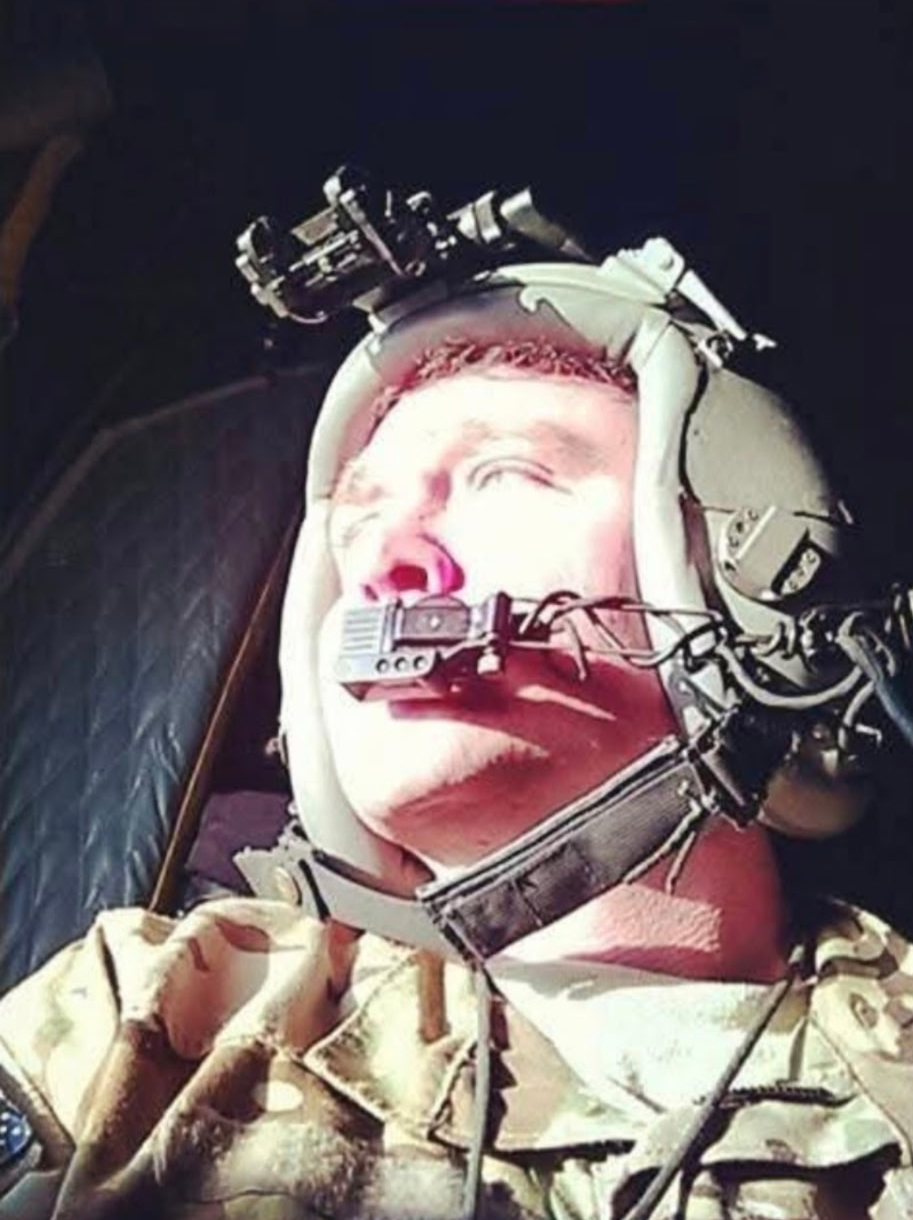
Yes, so I'd got to Afghanistan for my first time. was I believe in the fall of 2011. Yeah, late fall of 2011. Then you know you're sort of anticipating the call on these these type of jobs. Even as a firefighter, you're waiting for this thing to happen, and that's that's when it doesn't happen right. It happens when you you don't expect it and you got your feet up. But yeah, we had landed from one operation. Go over my first year if you don't mind, but basically one operation where we had been like ISR type stuff. The only thing we'd shot was our tweak rounds and those are basically the rounds you use to line your sights in just like you would with any weapon, right? I was reloading the 105 rack and the pilot comes back to the gun deck, and daytime's coming up so this became an issue as well. But he's like, hey, there's a Greenberry team, they're basically these guys had explosive packs on shooting RPGs at the Greenberries. And he's like, they're pinned down, like, we gotta go, who's with me? And in our own version or words, we in a way raise our hand and say, send me if you think about it.
Yeah.
And I just remember, we get over what is called pinky time when the sun's barely coming up, know, and basically I put my MVG monocle down and I looked down through the left scanner window and I see these two bright flashes, boom, boom, you know, it was RPGs and I learned, you know, sort of looks like for my training and stuff. But, you know, I went back to got on the 40 mil and, we shot about 64 rounds of HCI and, you know, when the dust settles and everything came down, right, and the adrenaline comes out a little bit. I realized like, man, I had the privilege and honor to serve my country more in an hour and a half than more than I'd done my whole life. And that was the true moment where I realized the why and why we're here and the impact of close air support and how this often organized chaos thing happens and then still believing that everything's gonna be okay in the end, that we're gonna get those guys out of that worst day to make sure it's not their last day. And that was everything to me, that was my identity.
Yeah, man, that's so intense. Tell me a little bit about the Waffle Man story. read that portion of your book, man, but tie that back in. Who's the Waffle Man? How does it tie in with your deployment to Afghanistan? Because I thought that was super interesting.
Yeah, I think it sort of goes to show like as far as like, whether it's opsec or like sort of to watch what you say in the show. I don't know if anything like that was going on. like basically there was this guy that was a waffle man and we would land when the sun comes up usually. And we would usually do this thing where like you would get a full belly before this long debrief, usually debrief after every flight, especially after a shoot or something like that. And we had. There was some haven't really talked about this part of it yet, but there were some indicators like we were getting mortars like more often more frequent, you know, and you'd hear the C Rams go off, you know, those are on a news a lot these days stuff like that. And there was this guy man. He always looked at us with this like, you know, the when someone hates your presence just to look you can definitely tell right? You know, nonverbal. Yeah, yeah, yeah, yeah, this was on Bagram. Yeah, then this guy would make the waffles, you know, and like, like we get in this big shoot one night, you know, and everything and I didn't think anything of it.
Yeah. Was this on tape? Was this on tape? Yeah
debrief it and like two weeks later he goes by and they do this thing after a shoot and it's called boots on the ground battle damage assessment. Those guys, there's these teams that go out and do this and they get biometrics, who's the heavy hitters, got all this stuff. And they're like, hey, just so you guys realize that whenever that she was like, you got smoked a waffle man the other night. And I just was sort of in disbelief, cuz I'd realized like this guy had access to base. How that happens, I don't know. You know what I mean? There's a lot of this.
Yep.
they call them a third country nationals, it just really opened my eyes up to like, matter how safe you think you are, right? Even, I know as a political, it's always a possibility, right? But there's always somebody out to get you, if you're American, right? And definitely put that being careful mindset and added that to it. at the same time, is a lot of people like to talk about that story and it's just the chances of something like that happening.
yeah.
Yeah, I mean, I think like the thing that that struck me about that story was my own personal recollection. You know, when I was at DDS working for the Pentagon, a little bit about DDS. we were like a SWAT team of nerds, right? Like, and we'd get sent out by the secretary of defense if shit hit the fan or shit that's like really bad. one. One of our projects, one of my very first projects was to reduce the green on blue attacks. And for people that don't know, it's like individuals, maybe a collective amount of people. that pretend to be good guys and to be bad guys and doing bad shit like if you boil it down, right? And the Waffleman story resonated with me because one of the things we were working on was building a biometric collections device. When people went out, they did all the collections to make sure you weren't letting bad people on base. the question I wanted to ask you, because I'm familiar with this process, I'm familiar with a lot of the painful things that go into it was when the Waffleman story hit, how did that make you feel about the other people that's on base? Because it could leave you somewhat jaded, right? Like it could leave you feeling like, fuck, I can't trust anybody. You know, there's thousands of people here I don't know. What was going on in your head during that time?
It was definitely an eye opening, a scary moment. The fact that someone got really that close physically to us even, at that point it was just an eye opener. It makes you definitely keep your head on a swivel. I'll say that when you see those sort of things play, especially if someone's on base. It's a weird, just sort of scary situation.
Yeah.
Yeah, I mean, think that in some ways it can leave you very jaded. Did that impact your relationships with other people that were on base that weren't part of the US military? Did that sort of change how you approached or changed how you engaged with other people that were supporting US forces? And we won't go into Allies refuge, which was the evacuation of Afghanistan all the fucking people we left out there and I've got a lot of opinions on it, but we won't go into that here. But did that for you, change how you approached, know, relationships with people that were supporting us over there? What did that look like?
Yeah, I mean, not really with the exception of things like that, you know, and like you'd see the water truck come around every now and then, right. And the non-potable waters, you know, so I never, mean, maybe it made me think like, this is sort of like, you know, be cautious. But again, you know, at the end, like, I don't, we don't know, we don't know, but you know, I guess, like I said, we'll, we'll see type thing, you know, and it's a, it was a very weird, scary moment. And it did sort of like, I escaped that sort of feeling, you know, after, after a while and it goes by and stuff like that. But yeah, it definitely makes you, makes you wonder, you know.
Yeah. Yeah.
Like I'd be lying if I didn't say like the thought didn't cross my mind, like, like what if type thing, you know.
Yep.
Yeah, I mean, what if when you're out there, crosses your mind all the time, right? Like it's like a constant worry for anybody who's out there just doing regular shit, just doing your job and trying to figure out how to survive till the next day. What was motivating you to continue on with your service? Cause you you say two tours over there.
yeah, yeah.
No, so I did so 14 deployments total two of those were non combat when I was a firefighter, but it was mostly I think it was like I almost double digits with Afghanistan. It was like nine or 10. I can't remember exactly. And then then two to then one to Kuwait and then, you know, was it to the East Africa at that point? Yeah. So but it was basically like, you know, 90 on 90 off. So when I say deployments, you have to keep in mind, like as a flyer.
Yeah.
It was like you get 335 hours in 90 days. That's it. And there's this huge waiver. They almost never sign if you cross that. So what would happen? You would. Yeah, it was like if you would get to that point and they would set you down for like a week to sort of give your let your hours go back up, you know, think about it like a like a duty day or like a 40 hour work week. You can't go over sometimes, right? Same thing with flying and we were hitting those quick back in those days. And so it was just weird because I would do 90 days there and come back 90 days. And by the time I'm getting all my currencies good to go and stuff again. I'm literally high-fiving the guys coming back, you know. So it was a very fast-paced thing. And then I think it was Abel McCraven. He actually came to the talk one day. I can't remember what year it was, but yeah, he's an awesome dude, man. He's like, you know, this is when they're talking about, first started talking about phasing down the H model Spectre gunship. And keep in mind, like these had the same tail numbers like 6.9 and 7.2. So you're literally flying on the same skeleton structure.
Thank
Yeah, I love Admiral McCraven, man.
of the aircraft that flew in Vietnam, know, that's where you get puffed the magic dragon and all that stuff. And he's like, hey, he's like, but basically he told us in fearless words, he's like, hey guys, he's like, listen, he's like, the H model may be retired from gunship, but you guys from deployments, right? He's like, but you guys are not, you know, you're still gonna be on deployments. You know, he's like, expected to phase down. And there was gonna be like this, the whiskey model gunship was, which was a test platform from the AC 130J, the current day, the Ghost Rider gunship. But what he did do was he made the dwell time to where it was what we call one to one, the 90 on 90 off to like, I think it was like way better. Like you made a point once in a year or something like that at that point, unless you wanted to go again, could.
Yeah, what was the reasoning behind the, I don't know much about the rules and the policy of flying, but that set amount of hours, was that a safety reason or what was that like? How does that shape out?
[30:09]
Yeah, yeah, it one of things that's basically general flight rules in the Air Force for each airframe, you know, even it's the I think those same hours exist. And I think it's just wear and tear and, everything at altitude is like, believe it or not, whether you're on the hose or not, I get it's a very strenuous thing, you know, and like, you know, you're you're you're doing these, you know, I think my longest mission was like eleven point seven hours. And if you add the pre-brief and the debrief to that, man, like you're looking at, you know, 14 hour day or something like that, it was, you know, getting crazy. But.
then. Yes.
I think they recognize that somewhere along the lines. Okay, we gotta give these guys rest, and there's these things that are like mandatory like crew rest and the flight doc will give you ambient and stuff like that. yeah, good.
Yeah, God that debrief must just been painful bro after being up there doing it right you got to sit through all these things
Yeah. Yeah. Yeah. Yeah. Yeah. And there was some, bro, that, you know, they get intense sometimes, you there's, you know, not often, but it does happen when there's disagreements. Of course, a lot of, a lot of aircrew are, you know, considered type A personalities. So you can sort of see the, you get towards the end of a deployment and you see that those things sort of happen, you know, and not to mention you're with each other like, 24 seven, you know.
Right?
Right, Damn, dude. What, tell me about this hospitalization in Germany that you wrote about in your book. You said in the book that you didn't tell a single person back home that you were hospitalized in Germany. Why didn't you do that?
I guess like, cause I don't know if it was, I didn't want them to be afraid and the same time sort of embarrassed, you know, like a, cause I'd had the, one deployment East Africa in 2018. Then this was in 2019, the second one. And I was basically doing nothing in combat. was doing a, was basically currency. You had these things called a live AI and that's the, the hoist, the fast ropes, the repel stuff like that. so we, we were doing night water, which is a very like dynamic, like it's a very dangerous thing.
Yeah.
in itself, but like we dropped the PJs off in the water. And so we're like, I will come back and get you in a few minutes, you know, and they're sitting in trouble. You come back and you're doing everything on these like these white phosphorus, you know, I send the hoist down and I get one one PJ out of the water, get it back in. Then I sent the next hoist down and basically I had to get two of them on with, you know, one hoist. And what I didn't do, the mistake I made was it's called the pendulum effect. I didn't dip their fins in, you know, to sort of stabilize the cable. Because if you don't, it'll start swinging like a pendulum. And when it did that with the rotor down, watched everything, oscillation, it tore my pectoral major off the bone, man. I could hear this bubble wrap type noise. And I can show you a picture later, it was nasty, brother. And somehow, man, I finished this hoist, man. I probably shouldn't have hindsight. I don't know if it was a pride thing or whatever, but I get them back in and then.
Right? Right.
Yeah.
We go to land in the fob and like for the 50 cal you have to pop the top cover and rack it to clear it. So I went to do that and I was like, my arms aren't working. And my buddy on the left was like, do mean your arms aren't working? And we got back to the PJs like, know, they cut your sleeve up and then like how it manifested was this huge blue, like a baseball on my bicep. So it started bleeding down my arm, but in all actuality it reeled back in and like, you your pectoral major comes this way, like off of it, you know. But yeah, man, I just remember like damn man, have to like this is the first appointment I've ever had to like go home early. So like there was that was an into me an embarrassment, you know, of my own actions, you know, and then so yeah, I've got in Germany and the thing that was crazy about it like right when I got there, I hadn't even told my wife at this point even. And basically like she's a hair you okay this lady from back home this lady named Barbara sweet Cherokee lady and to and to this day man it's like.
Dang.
Thank you.
Yeah, yeah, I was gonna ask you about it
The only way I can explain it when people have these sort of insight and things that happen like that is a gift from God, man, because like, how would she know that? You know, I think the human spirit is a very real thing that travels all the way across this world, you know?
Yeah, that's wild. My wife has superpowers like that. Like she'll get these like feelings and 99.99 % of the time they're the right... And I feel like there's certain people that have that or that have that connection. You mentioned Barbara in the book. Tell me a little bit about her. who is she growing up for you and how did this connection happen? why do you think that happened?
yeah.
It was so my high school sweetheart. It was her daughter, you know, and I'd spent like from my 10th grade, 10th, 11th, 12th grade, pretty much every every, you know, time, moment of time I could at their house there, you know, and I was just like, just grown to that's why I sort of love to grow like the love to love the Cherokee food and stuff like that. The fry bread, the bean bread and stuff like that. She always would tell me she loved me, man. And like even when she probably shouldn't have sometimes, you know, when I was. You know, an idiot growing up, but she always loved me. To this day, the other day, she commented on one of my things on Instagram and she said, I posted a picture of me and my wife and she's like, that's a gift from God, my son. You know, like, because I put that she had a gift from God in the book and I think it's what she was saying. But yeah, just, to this day, we keep in touch and love each other very much and this sort of mother son, you know, not really my mom, but type of connection, you know.
Yeah. Yeah.
. Yeah, yeah, there's something to be said about that type of bond that's almost unbreakable and unshakable in some ways. What do you think that she had that relationship that made it so strong between the two of you guys? Because from reading it, it sounded very strong, but I'd love to hear, you know, what were some of the things that made it that way?
definitely say empathy like that. That's the first thing I try to notice to someone and as you know, with any great leaders you've been around the D.O.D. enough, I think empathy is often the cornerstone of respect and trust, you know, and I think that's where it starts is empathy, And as a whole in America now, man, you sort of see the lack of that is sad in a way, you know what mean? But yeah, that's always a big thing and I would say empathy to answer that question.
Yeah, did she initially... Well, tell me, like, when did she come into your life? Like, how long has she been around you?
So I would say I was 15, 15 give or take. Yeah, yeah, real early in my, know, was a sophomore year high school.
Okay, sorry.
Yeah, yeah, interesting. So she's been around you pretty much your entire life.
yeah, yeah, she's prayed for me, man. You know, always telling me she's praying for me, always words of encouragement. And she's always, in a way, just had my back and been in my corner, know, and stuff like that.
Yeah.
It's funny to me, Anthony, the people that we connect with and why we connect with them, because there are certain individuals where you look at it you're like, I would never expect you to be friends with that person or be as close as you are, but yet there's this connection somehow, whether it's through empathy or similar tastes and things or whatnot. When you met her, like when you were a kid, literally a kid, like a teenager, what was she to you at that point? Was she just like a friend or a friend's friend? Like how did that transpire?
It's a lot of it. I was dating her daughter Nicole, you know, and those are my house. Yeah, yeah, yeah, I was was just, you know, I was a teenager boy, you know, just just, you know, wanted to go to my girlfriend's house all the time. And but, know, you you learn to honestly don't even intend to. But you just they become your family in this this weird way. And you know what mean? Like just this closeness and like the fact someone would take the time to just like not be here like, you know, or real son to like cook for me.
okay, so you were just around.
Yeah.
To say, I love you son, and to drive me to my basketball games and drive us both back. She gave a lot of time.
Yeah. That's so interesting to me because the thing about being close with your girlfriend or ex-girlfriend or even ex-wife, right? Like that immediate family is when that relationship goes sour, if it does go sour, a lot of times you don't stay connected with those people. But it sounds like Barbara is still very much a part of your life now. I mean, you put her in the book. How did that happen? What was that like? Because I'm sure that was probably hard for you guys when you broke up with her, right? Like broke up with Nicole?
Yeah, yeah, it was definitely because you that was the only real girlfriend I would say. I mean, I've had, know, I was real young when I had to go to the movies with chicks, whatever. But that was the only like steady real girlfriend I had at that point in my whole life. The only girl I dated. know, there gets to a point where I go from things like Seymour Johnson to Korea, South Korea. And, you know, we just lost touch and, know, just basically just fell out of each other's lives, you know, in a very nice way. It wasn't like. There was no hard words or ill words toward each other. But yeah, we respected each other and a lot of it too was like, I just kept in touch with her mom because she cared. And I felt like to this day her prayers follow me just like my mom's did everywhere I went.
Yep. Yep. Speaking of your mom, tell me about your parents, man. What were they like?
I mean, I tell people my parents like Jimmy Vovano said he gave me the best gift they could give their son. They believed in me, even when they shouldn't have. When I was a drunkard and I was going out, man, and doing these wild different things, they still believed in me. And they always had my back. And I remember even as sports growing up, if I didn't feel like I didn't get a fair deal or something like that, my dad would stand up for me and then. Then I was an idiot that I would just quit anyway. I quit playing football at a certain age, but I stuck with basketball, thank God. But he's always had my back even when he shouldn't, so has my mom.
[40:07]
Yeah, I mean, now you're a parent now, right? Like, what do you think? And I'm a parent too, and I always think about this, but what do you think it is that good parents do that instill that confidence in their kids? Because, I mean, there's been many times where I know, like, the shit that I did probably caused my parents to be like, what the fuck is this guy doing? Right? Like, why is this going through your head?
Yeah.
But for your parents, for you growing up, what did that look like?
Yeah, they were big on, you know, the church and stuff like that. know, and they were, you know, even like I got kicked and screamed. I didn't want to go to church, man. But guess what? I was there every Sunday, you know, and and I think they knew that, you know, at the end of the day, man, like for like the preacher told me, like the circumstances going to happen to you, like, you know, they can make you bitter or better. The choice is yours. And part of that getting better would be the the spiritual choice to get better every.
Yep.
make those good decisions, those good decisions that affect not just me, but now my family and everything else. So they always instilled in me to sort of think about my actions, think about the consequences and make the right choice.
Yeah, yeah, I agree man. And have you live with them, right? It's like can't fill it out all the time. Anthony, let's talk a little bit about your book, my friend. So tell me the story of how you started writing this thing because writing a book in and of itself is exceptionally hard, but I would argue that if you're writing a book about something very personal, like your deployments. and the impact it had is even harder. How did that whole thing transpire?
Yeah, so my last year when I really hit that, what I call my rock bottom, I went from 60s back to gunships, went to Iraq, did nothing for 90 days, I felt like, and then came back and made some emotionally charged decision to hit the retirement button. And so at this point I was already.
Yeah, what went into that brother? what was there something that put you over the edge?
Yeah, I'll definitely say like just droning around the sky and just like not doing the mission. The gunship mission I remember was half of it. Then second, like I knew like, man, I'm past 20 years. Like this thing is whether I want to in a couple years ending anyway, you know? And so I, you know, I didn't give myself really much of a shot for the next promotion staying longer. And I just, you know, out of anger, just hit the retirement button and just, you know, as I don't want do this anymore. And basically what was a drinking habit on the weekend turned into at least a pine and I was sleeping pills.
Yeah.
You name it man to go to sleep just in a bad place. And I was in this vicious cycle man where I would literally come through the door shotgun, start shotgunning some vodka, mix it with some pills, hit the bed, wake up hungover. then I think I may have told you I was the guy that had to ask the two questions every morning. Who do I owe money to? Who do need to apologize to? And that was a very sad way to live my life. my wife recognized that by the of God. And she's like, hey, it's either the bottle or me and your daughter.
Yep.
And thank God I chose them, you know, and that's when I decided to go to the USOCOM has this program called Preservation of the Force and Family. And each squadron unit gets a psychiatrist, usually a physical therapist and a physical trainer. And I didn't want meds at first and shit like that. then, you know, so I did pull-on exposure. And part of that process is I'll get to a second, but you start writing down your, you know, what's the trauma, they feel back that onion, what's really causing all this.
Yeah.
Right.
And you write it over and over, then they time you saying it, man. Believe it or not, they time you and basically get comfortable being uncomfortable. It's sort of like we're doing now, just conversing back and forth. And I couldn't do that at first. First time I told this psychiatrist lady with a chip on my shoulder, I sat there and cried in front of God and everybody, man. Like, oh, I'll it. She cried even, know? And she was always like, even towards the end of my, you know, when I'm getting ready to really get out, you know, hey, you should tell your story, tell your story, you know, it's not too late to tell your story. And I said, no, no, no. But once I got out, man, and like, you know, I'm sitting there with no purpose, really like.
Yeah.
Yes.
And I'm like, deep in my thoughts again, that isolation, know, I'm like, man, like, maybe she's right. Maybe I can't pay it forward. Maybe if I write this book and, you know, you see the commonalities of this loss of identity and trauma, like maybe someone will get help. We talk about the 22 a day, man. And I can either, I can either do something about it or I can put my words on paper and try to bleed it out there and see if someone would get help. And it has to be honest with you happen. And you see the fruits of that and the emails and the texts, you know. And I'm grateful and thank God I did. I'm glad I put this book out. I'd had, to be honest with it's a very short read. As you probably noticed, it's a two hour read, but some of the same men and women I used to fly to, to me that's what Council have commented on, reviews and stuff on Amazon. You realize the common similar struggle and they thank you because they chose to get help. That is to me, again, helping is healing and that's where I found the joy now. That and also those calm moments with my family and being the best dad I could be.
Yep.
Yeah.
Yeah.
And best husband I could be, and best wingman I could be to someone.
What was it that made you initially start to heavily drink? And the thing I'm interested in is why people sort of engage in behaviors that we know are reckless or destructive, but we still do them. And you and I talked about this the other day about the personality types that we have. and the things that we do to either cope through stressful situations. the minute you were out of the Air Force, you start doing all these reckless behaviors. Was it because you were missing sort of that peace from when you were on tour, or was it other things? Like how did that all compound?
Yeah, I would definitely say like we're all very, you know, very normal men and women doing these very uncommon things, right? And there is excitement with that. There is all these things that the adrenaline, the dopamine release, all that stuff, you you could get into the science of it, but that is a real thing, you know? And then you realize that we're all very also all or nothing type of people. I became real fast. This guy that could never have like, like, like, you know, here's how it starts, right? Hey, why can't you just be social, man? Why can't you have three drinks and just be social?
Yeah.
I'm not that guy man, cuz it opens up this floodgate to where I'm a pint sometimes even I hate to say it a fifth deep, know. And I have this reality switch to where it's dangerous bro, it gets turned off and I've done some a lot of things I'm not proud of in those moments. And I just didn't want that anymore man and I realize it is all or nothing.
Yeah.
Yeah. How did you initially channel that into your writing and what did that look like? I know that you had to do it for the program that you were in and be able to recite it, but like outside of that obligation, what did that look like for you in terms of writing and manifesting the energy from the drinking and all those things to writing?
Yeah, it started out just, you know, when I would be laying there at night and this craving, if you've ever had that level of alcoholism, like we get the shakes and stuff like that, like that level of craving, right? Like I would make myself, you know, because I made a promise to not only my family, but God at that point, you know, and I broke that promise later and I'm very sad about that. you know, I started sort of writing my emotions, everything that was in my mind, and I would throw it on paper and make up, wake up in the morning and try to make sense of two decades of war and trauma and like a
Yeah.
You know, the age old question, why does God, to this day, I'm still looking for this answer. like, why does God let bad things happen to good people? And, you know, I'm always chasing that answer. you know, maybe if I thought too of getting this out there, someone would answer that in a way, you know? And in the end, the two biggest reasons that would be to show the rest of America, hey, this is what goes on when you're sleeping. And two, to recognize that it's okay not to be okay after two decades of all this stuff, but it's not okay to do nothing about it.
Thank
Yeah. Were you always a writer growing up, Anthony? Did you always like?
So my publisher actually, he's the one that told me I was a poet and I really didn't know it to be honest. I said, no, I'm not, and stuff like that. But I had wrote a poem, it's called The Love Above. Yeah, my mom has it. But yeah, was a letter to God. I'd like to see it one day. Yeah, so I wrote that, I don't know why I sat down on the kitchen table one day and I realized like,
Yeah.
Yeah. What is it? How did that transpire?
Even if I wasn't saved at that moment, God still loved me. So maybe it was a way of me to remember that, always to like, hey, no matter what you do in life, someone sacrificed for me. And that's the beat of salvation. I think I realized that even at that age, I wasn't really saved. I realized that what Jesus did on that cross, man, like I said, grace is free, but it ain't cheap,
Mm-hmm.
Yeah, no, it definitely ain't. ain't. What was, going back to your book a little bit, what was maybe your favorite chapter or your favorite passage of the story that you were telling there? What had the most impact on you?
Definitely. get to a point where I had a, you remember those time capsule letters? Yeah. So our senior year we all had to do one. And to this day, I can't tell you what I had in there, but my mom still has it right. And this, some of this played out after the fact, you know, when I was home from my book signing, she asked me to read it. And I was like, no. And she was like, why? was like, well, I was like, cause the roots part of my story is it's good to know where you come from and you get all these morals, these values, right? They're they're set in, right? But to me, it's always more important to know where I'm going. My wings part of the story.
yeah, yeah.
Uh-huh.
[50:00]
And if I look back, I'm lost, man. I don't want to look back, so I'm going to keep going forward. So it's a mental thing. And I think, like I said, some letters are left, better left unread, as they say. So that was my favorite part to illustrate that.
Yeah.
Yeah, yeah. Gosh, man, I can't even remember what year I wrote mine. I'm actually, if I do find it, I'm actually afraid to read it myself. There's something scary about reflection, know, like going back and really thinking about sort of who you were at that time and who you are now. just part of it's probably shame. Part of it is probably embarrassment.
Yeah Yeah.
but there is something powerful about that reflection that we do. And especially in a craft like a book and a personal book at that. The question I have for you, Anthony, is who'd you write this book for? Was there a certain audience? You'd mentioned if it helped one person, it did its job, but as you're sort of writing this story, was there a specific set of people or person you had in mind?
Yeah, I would definitely say anybody still trying to find their way, you know, and and and mostly these like I said, these men and women and these very that are very normal, right? Doing these uncommon, unnatural things, you know, for the the uncommon, you know, really. And I think you see that in every day. And everybody's probably got something that's very unnatural, uncommon to them and that they're dealing with, you know. And like I said, man, it's if it's a little bit of light in the world for somebody to know if they get help, it's a blessing, you know, and that's the real reason behind it.
Yeah.
Yeah, I want to ask a little bit about the connection you have with your wife Sherry and how that came to be. It's very clear that she has a huge influence on you. And it's also very interesting to me the impact that the Navajo Nation in general has. And I feel like there's there's something there that is part of your DNA now. because you mention it quite often, the connection you have. What was it about the Navajo Nation that sort of drew you in initially? Were there certain things that they did or certain cultural phenomenon that you were just drawn to or how did that come to be?
yeah, definitely. You know, and I think it reminded me like when I first met my wife, I'd got back from a deployment or whatnot. A few 12 hours or something later, my friends like, let's go to this barbecue, you know, and this basketball game at this Eastern New Mexico University, which where she was going to college at the time. And we're playing this game and you know, and growing up sort of around that that lingo, if you will, like have you ever seen reservation dogs? Willie Jack is one of my favorite characters. He says things like like Skodin as in let's go then.
Yeah.
All
Or like, my wife would say students as in let's do this is very creative ways of saying that stuff short and sweet, right? And we get done with this basketball game walking across to my buddies to do the barbecue stuff. This sort of catwalk that crosses this highway. And I was like, hey, are you by any chance native? And I just had a feeling knew that she was, and she just smiled and said yes. And at that moment I was like, this is who understands the, like I said,
Yeah.
Dustiest corners of my mixed up soul, you know? And I was like, I was in the friend zone for, I don't know, six months or something like that. I slowly climbed my way out of that with persistence and yeah. So there's hope guys.
Yeah.
What was it about her that drew you in besides the fact that she was into basketball?
I would say that definitely she was sort of staying in office and she was very cautious with everything, know, who she led in. So I was like, man, that's interesting. And in the end, when you see them sort of develop, I hate to say it, develop those feelings for you, and it's reciprocal, that's a beautiful thing. That's a perfect 50-50 yin and yang, man. When you have that harmony, that's why God gives us partners, you know what think?
Yeah, yeah. How much of the Navajo culture do you, or have you brought into your immediate family now? Your daughter, Sullivan, you mentioned the story of how she got her name and all those things, but tell me a little bit about the influence of the Navajo culture on your family now.
Yeah, that's a great question because one of the things that happens is, so I'm a Christian, right? And my wife, she has a Navajo belief very, very much so. we basically, we give our daughter the choice for both, know, as rare as that is probably, but like we want her to have that choice, know. And I realized that there's a lot of spirituality that's all about at the end of the day, man, like. Living the best life you can, like I said, having empathy for someone goes a long way in that culture I've noticed as well. So that was definitely a good parallel and to just not give up on hope. Hope is a fragile thing, like I said, if you let it be.
Right.
Right? How do you guys reconcile the different religions that you have in the household? Like, is there stuff that you do that, you know, respect her background, her religion, her upbringing, but also respects the things that you feel, your belief in God, and that type of spirituality? Because I always find it interesting how... We reconcile those things, especially something as important as religion. How do you do it in your household?
Yeah, I think it all comes from respect. I think any relationship is the two most important words is compromise and respect. There has to be those, or you got nothing. It's going to go nowhere. And I've realized, there's things that I'll participate in. There's something with the eclipse within Navajo tradition that you can't look at it because it could cause my understanding is some sort of digestive problems or something like that. So when that happens, we're always like, what's the time zone of the eclipse we're at? So I do participate that. I have seen the medicine man for some things, quite frankly, I can't explain. And it was pretty scary. there is a very spiritual thing to that belief. And at same time, we watch the chosen together as a family. Right now we're watching the House of David, I believe it's called, together. So there is that compromise and respect, even with spirituality.
Yeah.
Yeah, I mean I love how you frame letting Sullivan have her own choice and what she decides. there, tell me a little bit about sort of like how you guys are doing that in your household. Do you bring her to church and then also you know have her participate in other very you know traditional Navajo related things like how does that look?
Yeah, yeah, yeah, we do. do a mixture of both. She'll go to church with me and she'll do the I wanna thing when that happens and stuff like that. Real good program and and then when we go home to her parents house, especially there's a lot of you learn like sort of what not to do, you know, especially me being this just this just white guy, right? Like going up there, you know, was a there's a funny moment when when I showed up when she was pregnant and had a ring on her finger. But one of the scariest moments of my life. But in the end they they accept me, man, and they're my friends and my family as well. So there's a 50-50, just participate in all of it and learn something from both sides of it.
Yeah.
Yeah, no, I hear you. hear you. Anthony, you talk a lot about God and your religion, and that is clearly a cornerstone for you and how you've lived life. Tell me a little bit about sort of this transition that you've made as a kid who was, it sounds like, dragged to church because you didn't want to go.
Yeah, yeah.
So all of a sudden now it's a cornerstone in who you are. How did that, how did you change? or maybe you didn't change and the religion itself sort of like fit who you are as a person, but tell me a little bit about that journey of how you went from this person that was dragged to now you're openly embracing it. It's a cornerstone to your identity. It's essentially who you are as a person. Like what did that look like? Were there certain events that happened that made you reflect on these things?
Yeah, so I realized at this point, because I turned to the bottle, I turned to pills, I turned to my friends, I turned to psychology, excuse me, which is a good thing, don't get me wrong. But at the same time, God in his own way, and Jesus let me know that I turned to everything but them. And what I've noticed in those moments of isolation, those moments where you're having that inner dialogue, two wolves, wherever you want to call it, whatever you believe in, that
Yeah. Right.
Mm.
God, the creator will put you in isolation way before elevation sometimes. And what I'm getting at is here is like, as Henry Ford said, you're going through all this stuff, Everything's going against you. But remember the fact that the aircraft takes off against the wind, not with it. So you can't lift without a little bit of drag, man, if you think about it. Just the physics of it. And that's really the spirituality of healing as well.
Yeah, yeah. Was there like, Was there certain events that happened during your deployment that made you realize that God is a real presence in your life? were there things that, you mentioned unexplainable things from the Navajo point of view, but from your point of view, were there things that happened that made you realize that He is a strong presence in your life?
[01:00:00]
I would definitely say, you know, when getting you out of a very bad situation to where like, you know, granted this was like probably the only the real time I was in danger, right, was probably that the Casablanca mission, like we're because on the gunship, you're way up there. Yeah, you could see tracer fire and stuff like that. Sometimes it shoots you. But like you have the advantage of this altitude and often darkness where this was daytime. We're low to the ground. Everything's happening so fast, man. And like there's literally this moment of like like God, like if you get me and my friends out of this situation. I'll do whatever you want to do that submission, know, and he did, you know, but at the same time, like, I still find myself asking that question, like, you know, like I said, I didn't know what sacrifice was to that day. And you see one of the America's best and unfortunately, when got back on the operating table didn't make it. So that sticks with me and it begs the question I'm always asking myself and everyone else, like, why does God let these bad things happen to good people? And the only thing I can come up with is, is he gives those battles to people. that he thinks can handle it, I think that he gives those battles, in the end, God is going to get the glory. You're going to see the grace of God in these moments, if you really look.
Yeah.
Yeah. Anthony, I want to wrap up our conversation with two questions. The first one is a fun personal question. And you mentioned in the book, I just laughed to myself, Rippets. And tell the folks at home what Rippets are. And I want to ask you a question about your experience with them.
Yes, I love this question. So there's a rippets for these things are little small can. The good ones are right. And it seemed like the ones in Afghanistan and Iraq, like they hit different, man. I don't know how much caffeine or what else is in these things, but you could be dog tired, man. You shotgun a couple of those, man. You're ready for it. You want to rip the paint off the walls. And so really the global war on terror made that energy drink famous. You know, I didn't know about it till I deployed and stuff like that. And now you see them in the.
Yep.
Yeah.
Yeah, yeah, yeah.
Yeah.
Sort of in the gas stations and stuff like that. But yeah, I remember we would shotgun this one guy. He was crazy, man. He was shotgun like three these things. like, you're like, bro, man, like you're gonna have a heart attack over this off like, know, let you know. But yeah, some guys, man, did the extreme. I think we're all very extreme men and women, you know.
Yeah, yeah, yeah, dude. So my question is, and I've had a few of those when I was over there, just because like you're like, fuck it, like I'm in Afghanistan, I'm going to drink a bunch of these. And it definitely does hit different, dude. I don't even know if it's legal, man, like the shit. I don't even know. I don't even know how they got it to the shelves, to be quite honest. But the question I have for you is you see these things that you
Yeah. Yeah.
Yeah, man.
to do to keep going, drink these rivets, all these things that keep you consistently aware. How much of your life was around literally just trying to survive versus trying to be potentially healthier? Because you also talk a lot about having the checklist of things you got to do, the workouts, all those things. And it's very easy to get into these bad habits of drinking these energy drinks and, you know, blowing off steam by doing stupid shit. At some point, you had this switch of like, man, this is probably not good for me. So I should probably do healthier things. What did that look like for you?
Yeah, I definitely had some very healthy men that were my age have heart attacks to be honest with. I've had two people I'm really close to have heart attacks. And so definitely that was the opening man. one of my friends, I was actually on Recruits Assistance Program and I went back home and got him to join is what the whole program is back in like 2001. And he retired from the Air Force man, it different job, but we kept in touch all these years and he supported my book and all this stuff, man.
and
I mean, massive heart attack, gone, man. it just, it's like, man, like, do you like, like, this is a real thing. Like being healthy is a real thing. It's a choice. And it's not my choice. It's a choice to be there for my family. You know, like even when I was drinking, that was the ultimate thing, right? It was really like, like the fact that I was willing to give away that relationship with my daughter over a bottle, you know, and that's the thing about God. you know, I, may have got saved earlier, but I didn't find Jesus until I was in the bottom of that bottle, man.
Yeah.
He pulled me out of those asses, you I didn't find him in a church, you know.
Yeah, yeah. All right, Anthony, last question that I'd to ask parents of the show, but let's fast forward 30 years, 35 years, and Sullivan finds this conversation that you and I are having. What do you hope she gets out of our conversation today?
I would hope that she would realize that her dad was a man, made a lot of mistakes. But I never let those mistakes keep me down in the dirt. Like the proverb is, you fought on seven times, you get up eight. And no matter what you do in life, always persevere.
Yep, I love that man. So Sullivan, keep that in mind when you come across this on YouTube in 35 years. Hopefully you and I will also still be around in 35 years. Oh man, but with that Anthony, I just wanted to say, I appreciate you man. I consider you a friend now. I that we were strangers before this all met. I'm a big fan of the book. We'll link it in the description. We'll put all that stuff.
Yeah.
where people could find it and buy it. But I also want to say good luck. You're being a good dad and you're an inspiring man and I appreciate you.
Thank you Savannah, it's a pleasure and honor to be here. Like I I wouldn't miss yours for the world, man. And thank you for your recently found friendship, man. I truly enjoy it.
Alright brother, you take care. We'll talk soon. Alright, bye bye.
you as well.