

[00:00]
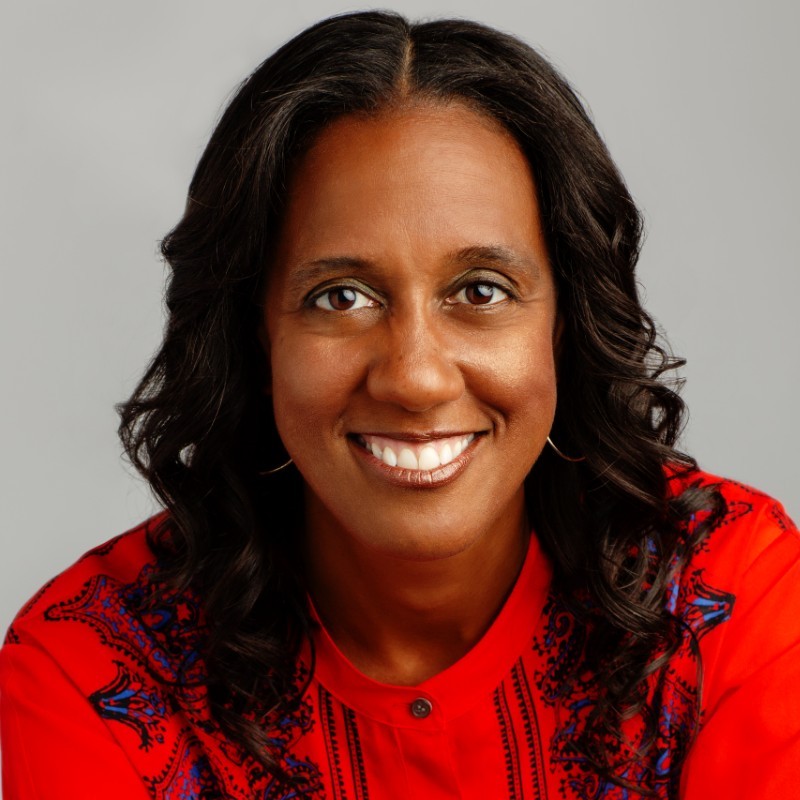
Welcome to Work Unscripted, I'm your host, Savan, and today I've got my good friend, Kelly Martin. Kelly, how are you?
Thank
I'm doing really well, Savannah. I'm so glad to be here. I've been looking forward to this.
I have too. You know, it's been months in the making of us trying to lock this down and I'm excited because of a couple different reasons. One, I'm jumping into the book writing space and that's a brand new world for me and you are an expert at it. And so, you know, we're going to be talking a lot about that today. But before we get started with that, why don't you tell the listeners who you are?
would love to. Sorry, I thought you were going to keep on. I'm Kelly Martin. I am a book editor. Throughout my adult life, I've always been a book editor. It's all I've ever done. It's all that I have wanted to do. I'm so grateful to be able to do it. Books are my life. Books are a love of my life, and so is editing. I'm originally from Detroit, Michigan. And that's where I grew up.
no, no worries, no worries.
Mm-hmm.
I went to Williams College in Massachusetts, which is where I stumbled across the possibility of working in publishing, and that just lit this fire in me. And then after graduating, I started my career in book publishing. I moved to New York City and worked at the C. Simon & Schuster. That's where I started my, where I my first job in publishing. And there I had two different entry level positions there.
Huh?
And both of those positions allowed me to see what editors do. And also, man, I just fell in love with it. Like once I saw the editors are the ones who work with the authors on their manuscripts from the ground up. They're the ones that are with the authors in their writing dreams. The editors are pitching the books to the publishing house. And they're collaborating with writers to help.
Uh-huh.
bring their book to life. They're getting like knee deep into the guts and the meat of the manuscript. And I just loved it. Like I can't tell you how much I loved it, fell in love with it. And from there, after a couple of years at Simon & Schuster, I had my first editorial job at William Morrow, which is now owned by HarperCollins. Spent about seven or eight years there. And then I kind of worked my way up the editorial ladder. And then from there, I went to
it.
Uh-huh.
children's books, which I had never worked in before. I did that at Hyperion Books for Children for a couple years and was able to see like the marriage between a text and art and how that goes together really well. And just to see the Disney ecosystem at work, like that was just phenomenal to be able to witness. And from there I worked, I was an editor at Harlequin and fell in love with romance novels.
Okay.
you
Yeah.
and then moved from New York City out here to Seattle to work at Amazon Publishing and to help them launch Mount Lake Romance and their general fiction imprint called Lake Union. And did that for several years, six or seven years, and I have been a freelance editor ever since. So that's a little bit about me. I love books. I love working with authors. When I'm not reading, what am I doing? When I'm not reading, I'm probably.
Thank you.
you're back.
Oh, Savannah, I don't know what happened. Oh my goodness, I'm so sorry. I got a blank screen and it said something about troubleshooting and was an unstable connection. I don't know if it was on
Gremlins.
No worries, we can edit all this out. Don't even worry about it. It'll all be seamless when it comes out
my gosh, I'm so sorry. Okay, I am back. That was probably too...
You are back. are back. you so so so pick it up from when you were at Simon & Schuster. That's when it cut out. So after that, pick it up from there.
Okay, I feel like I should probably make it a little shorter. So I'm sorry, the question will tell you about myself. Okay, you know what I, oh man, I'm sorry. Can I start that entire part over? that, that okay?
Absolutely, absolutely.
Well, I'm Kelly Martin and I am a book editor. I have loved being a book editor. That's all I've done my entire life. Not my entire life, my entire adult life. And it's all I've ever wanted to do, Savannah. So I'm originally from Detroit, Michigan. So total, know, Midwestern girl at heart. I went to Williams College in Massachusetts and that is where I fell in love with publishing. Like the bells started going off when I stumbled across the publishing industry.
Uh-huh.
Yes.
I spent almost 30 years working in book publishing and spent several years in New York City. Now I live in Seattle. I'm really, really close with my family. I love being outside in the sun. That's the one thing that I'm doing when I'm not editing or I'm not in a bookstore. I'm probably somewhere enjoying the outdoors. So that's a little bit about me. Just love books and family. And I'm just.
Uh-huh.
Love it. Love it. Love it.
Glad to be able to be here and to talk with you about it.
Yeah, that's amazing, Kelly. You know, one of the things that I find absolutely intriguing about your journey is that you found it at such an early age and you've taken that all the way to adulthood, which is a very rare thing, I believe. And I don't know if that's a fact or not, but people sort of, you know, they don't typically know what they're going to major in in college and know what they're going to do in their 20s and 30s and and they've changed, I know I have. But for you, that through line has been very consistent. What is it about being an editor that has carried you throughout all these years? What is that one thing that you're so passionate about that you continue to do it regardless of the state or the company that you're in?
I love that question. I think the one thing that has been able to carry me through publishing and actually the thing that I fell in love with is this new world that the writer is creating. And I don't think I've ever really thought of it as a world, but if you think of it, it really is a world. I remember when I was a kid, gosh, I don't know if you were like a huge reader when you were a child, but I definitely was. I cannot tell you, my mother would.
Mm-hmm.
Yeah.
Yeah, it was, yeah.
My parents would tease me. I would read all the time. I would read at the dinner table during breakfast. I would read at church. would read. If there was nothing to read, I would take like a cereal box and I would read the back of the cereal box. But I just loved, I always had my head in the book. I think what I loved about it was it was just this, each world.
That's how I like to do it.
Yes.
that each author created was so different and it was so vibrant. So I remember when I was a kid, I would read, I loved Trixie Belden mysteries. She was the only girl in, I think she had like four or five brothers. And for some reason that, that want made me want to have brothers. She called, she didn't call her mother mom. She called her mother moms, M-O-M-S. And so for a while, I I called my mother moms. And she would be like, why are you calling me that?
Yeah.
Uh-huh.
Yeah!
And it was almost like an homage to Trixie Belden. I grew up reading Nancy Drew mysteries and I loved how just her tight band of girlfriends mimicked the four of us. Let's see, my sister Kimmy, me, my best friend Kristen and her younger sister, Corin. All four of us grew up together in Detroit, just really, really tight. So Nancy Drew's band of girlfriends kind of mimicked the close friends that I grew up with. So I think it was, I just loved this, it wasn't so much escape, but I just loved these vibrant, different, fascinating, dramatic worlds that authors would create. As a teenager, I loved Sweet Valley High mysteries. So I loved the world of, were the way Jessica and Elizabeth Wakefield, I'll never forget that they were twins. So I loved their loyalty to one another and how different they were.
Yeah.
Yes.
[10:09]
Right?
as an adult and getting into editing, I think I love again, this world on this new world on the page that an author is creating. There's just nothing like it. And then to be able to work with writers and to see that world grow and change on the page and the world get more and more vibrant and the characters get stronger and their motivation make more and more sense. So I just felt deeply in love and just.
Yeah.
thrive in those worlds. But it's the world building and the love of the world building that I think has carried, that has been the through line all throughout.
Yeah, that's amazing. Kelly, I want to take it back, probably maybe a little too far back. But I want to take it back to Detroit. And when you were growing up there, what was that like to be a bookworm as a kid in Detroit?
Right.
And do you have a lot of friends that also read and were you in book groups? What was your childhood like back then?
Yeah, right. know, it's funny I say this, I loved growing up in Detroit. I don't know if it was so much idyllic, but it was pretty close to it. my parents are from the South. So my dad is from Atlanta, my mother's from Montgomery, and they came up to Detroit in the late 60s for graduate school. So they grew up in the South. They grew up during segregation, so during the Jim Crow South. and they are in Jim Crow South. And so they came up to Detroit because at the time they were in the wake of desegregation and integration, there was a huge push for big 10 schools to admit really terrific African-American students in their graduate programs. And so my parents were a part of that. they moved, my grandparents were really active in the civil rights movement. And so my
Yeah.
We can.
really?
parents moved up to Detroit for, or they moved up to Michigan to go to Michigan State for a graduate school. So that's how, so we're like a Southern household in the Midwest. And once my dad got a job at Ford Motor Company, that's when we moved to Detroit. And obviously Savannah, it was just a fun neighborhood. mean, we, you know, just like solid middle-class neighborhood. There were like a bunch of kids in our neighborhood. And I,
Wow.
Yeah.
remember just really just two things. We were either just outside like roller skating, watching folks play basketball, a couple of people on our street had pools. So during the summer we'd be outside in our pools or swim or we'd be playing hide and seek or going to block parties. So I had this kind of vibrant world just playing with my friends outside. And I would have my head in a book. And literally my entire childhood was that. So in the streets, head in a book. In the street.
Yeah. Yeah.
Yeah. Yeah.
I had in a book. My mother was a huge reader, so she would read Agatha Christie and, let's see, Patricia, gosh, I'm sorry, her last name escapes me. Patricia High, she wrote The Talented Mr. Ripley and that whole series of books. And so I grew up watching my mother read. My dad read the newspaper. He was a huge reader of books, but I remember seeing him behind the newspaper all the time. So we grew up in a family of readers. Again, I always had my head in a book and I enjoyed both worlds. I enjoyed being outside and playing with my friends and then inside I was quiet and I would just have my head in a book. Or I think maybe thinking of my close friends and all of us who were hanging out in Detroit, I think maybe one or two read as well. I think I was the one that was just always.
Yeah.
was always reading. don't necessarily remember other ones always reading. The school I went to, went to a school in a suburb, the suburb is called Grosse Pointe, so that's maybe about 30 minutes or so outside of Detroit. And similar, was very comfortable in that world as well. There were a lot of readers there. But yeah, so that was my life. And also, I have to mention the South again. Every single summer,
Right. Okay.
my parents would drive my sister and me from Detroit down to Montgomery to spend the entire summer with my grandparents. And there, that was really interesting. I love being outside in the heat, but then I was all there. I had fewer friends in Montgomery because we were all there during the summertime. So there I was really in the house reading and I remember my grandma, Grandma Ruby.
Yeah.
the reinforcing me to go outside. So she says, it's good that you're reading. It's good that you're doing your book reports. But she's like, your friend Fran, across the street, go hang out with her. Go outside. So she would kick me out of the house to put my, she would tell me sometimes you just have to put the book down and go outside. That was my childhood.
You
Yeah
Yeah. Good job, grandma Ruby. man. That is that is such an amazing childhood. How did your parents pick Detroit, like, especially from the south? Was it was it just a school like, scholarships? Or what did that look like?
Yeah, you know, it's really fascinating. my dad grew up in Atlanta, Georgia. My mother grew up in Montgomery, Alabama, and they picked Detroit. You know, I would say actually, think Detroit picked them. So my parents grew up during Jim Crow, so in the wake of the Civil Rights Movement. And at the time, my mom went to Spelman. My dad actually graduated from Hillsdale, Michigan. I'm sorry, Hillsdale College, which is in Michigan.
Yeah.
Yeah. Yeah.
and then he had returned to Atlanta. But the way they came to the north was because at the time, like in the wake of Brown versus Board of Education and in the wake of desegregating the Southern schools, Big Ten schools were having this big, big push to bring African-American students to their graduate school programs. So they admitted just really terrific, know, talented African-American students from the South.
huh.
to enter their grad school programs because they hadn't really been able to do that before. So my parents were a part of that. So that's how they, Michigan State University had a big push toward letting in, or not letting in, but admitting students from, black students from the South. My parents were a part of that. And they went to Michigan State to get their master's degrees and they loved it. And it's.
Yep.
Right. Yeah. Yeah. Right.
fascinating, Savannah, I have to tell you this. So both my parents are only children. And there's maybe, I think, seven or eight couples at the same time, this is the late 60s now, seven or eight other African-American couples who all went to Michigan State through these grad school programs, my parents were one of them, and they all lived in kind of like townhouses, in married housing. And it was kind of like Camelot. was like blah.
that
Black Camelot at Michigan State University, all these amazing people in these graduate school programs going on to have these incredible careers. So there was psychologists, there was school principals, my dad worked in transportation, running transportation systems. My mother worked at University of Michigan-Dearborn, but the seven or eight couples who were in this program, they all became like my aunties and uncles and my godparents. And so it was just to...
Yeah.
hear my parents talk about what an incredible time that was, and then to grow up with all of these couples who became our extended family. So education was huge in our house. Opportunities for education were huge. And of course, reading is a massive part of that.
Absolutely. Yeah, I find that so amazing. You know, I've been doing a lot of reflecting myself on the Cambodian community and how tight knit it is. know, when we came to America, we grew up in White Center. I would say it's like 80 percent Cambodians. And we have these pockets of of people that are from the same area. But we also, there's a certain amount of influence that that group has on you and your kids by an extension. Kelly, I want to ask like for you, when you were growing up, you had your parents, but in many ways you had many parents. Like it sounded like you guys were very close. Did that have any influence on... you know, what you were gonna do after high school, what colleges you were gonna go to, like what did that look like?
let's see, I, that looked like, so going to college was, we knew we were gonna go to college, like that was. Like, you know, people have a gap year nowadays, which is totally good. I'm not totally not dissing any gap year. I love that that's an option. But yeah, back then, you know, when I grew up, that was right after exactly right after, if you were able to.
Right, was not even a negotiable thing.
Right?
Yeah, there's no gap here.
right after college, or I'm sorry, right after you graduated from high school, you were gonna go to college. So that was the expectation. My parents were pretty open about what colleges my sister and I could go to, like wherever we got in. They wanted to make sure that we loved the school that we went to though. So we looked at Michigan State, University of Michigan. Let's see, I...
Right?
Right.
[20:03]
From reading, I will never forget from, let's see, I was reading, one of my favorite books, The President's Daughter by Ellen Emerson White. The protagonist in that book was looking at, for college, looking at many different schools in the Northeast. So she looked at like Williams and Dartmouth and Amherst and Savannah, I kid you not. The way the character in this book described Williams, I fell in love with that description.
Okay.
Cool.
So it was so funny, one of my mother's colleagues at University of Michigan-Dearborn went to Williams, this is in real life now. So he was a chemistry professor. And so my mother knew that I had been talking about this amazing description of this college from this book. And she's like, wait a minute, Dr. DeKamp went to Williams. So Kelly, why don't you go and talk to him? So I talked with him. And my dad and I went to go and he.
I'm sorry.
yeah.
Yeah.
Dr. DeKamp had amazing things to say about going to Williams. My dad and I went to go visit it and I kid you not, I walked on that campus, I fell in love with it. It just felt vibrant, it felt cozy. The admissions director was amazing. He remembered the essay that I wrote. So the fact that the school was so attentive.
Thank you.
Yeah.
Thank Wow.
And my dad, I'll never forget it, my dad and I just looked at one another and we were like, this is it. So that was the expectation. Even though my mother went to Spelman and HBCU, it wasn't expected that we, she would have been fine if I had gone there, but that wasn't pushed on us. It was just pushed on us that we were hopefully gonna go to a really good school and you
Yeah.
Yeah, absolutely.
My parents worked hard to send us, my sister and to various schools. So the expectation was that we would work hard to hopefully get into a great school that was a good fit for us. And I majored in psychology. And I do remember my parents saying, what are you going to do with a psychology degree? I do not know what I'm going to do. But the expectation is that I would definitely do something. would get the one that I said. So that was our household.
Yeah. huh, yeah.
Yeah, yeah. It's just so hard at that age to even know. Like I was, I started off as an American history major at Occidental and I didn't know what the hell I was going do with that. I think I was going to work in a museum or something like that, like with that degree. And eventually I finished with a communications major and an English minor. But even then I'm like, what am I going to do with this? You know?
Yeah.
For you, when you got that psychology degree, how did you feel right after that? Did you know you were gonna go into the publishing editor space or like what was that time for you like? How did you make that transition?
I will tell you, it was actually a, it was an enlightening time and it was a confusing time and I will tell you why. So one, I went into, I thought I was gonna major in English. Savannah, I'll be honest. So in order to major in English, you have to take, you had to have taken, gosh, three, four, anyway, just a number of classes that were set in pre-1800s.
huh. Okay.
Savannah, I tried, I tried. just, and I remember the Middle Ages class, I loved that. But anything, I wanted to love Jane Austen, I wanted to love all the Victorian literature. I just, the language, I wanted to even love Shakespeare. I respected that, just didn't grab my heart. Well, because of that, if you don't take a certain number of classes in your major, I mean, if you don't take a certain,
Hahaha
Yeah.
Yeah, yeah, that's not it.
Yeah.
number of pre-1800 classes, you're not, you at that time I wasn't able to to major in English. So I took Psychology 101 and just loved it. I loved talking about like the range of human behavior and trauma and what an individual goes through and what an individual people, like a group of people can go through. So that's why I just, I loved it. So that's why I ended up majoring in psychology, which helps later on to work with authors. But
And.
Yeah.
to finally answer the question. The confusing part, I graduated, again, I had no idea what I was going to do with that degree. But my parents called me, they said, okay, you can live at home, but you're not coming home. There was no expectation about coming home to just chill. Never. And I like working hard, so I wouldn't have done that anyway. But I thought that I would, with a psych degree, I thought maybe I would work at a residential treatment center.
Right?
Right?
or at the time it was called special education. I thought maybe I'd be a special education teacher or maybe go on to get a graduate degree in education. I honestly, I really did not know. All of my friends were going to either three places. They went on to work for Teach for America or went to work in New York for investment banking or they went to work.
Yeah.
at McKinsey in consulting. Everyone was working at McKinsey for consulting. I knew none of those three were a shit for me. I was confused. It felt very in transition. It felt, but also enlightening because at that point I knew something was going to open up. But yeah, just wasn't sure. I wasn't sure what.
Right. Of course. Of course.
So I moved back home to Detroit. I had two jobs. I was a bookseller at Borders Books. And I also worked at an art gallery. how I got into publishing, so I had no, much as I loved to read, I had no idea how to get into publishing. I didn't even think, I didn't know what an editor did. It didn't even cross my mind. I just knew that I loved to read. So I went back to this, I'll tell you, talk about an epiphany.
wow. wow.
Right?
So I went back to school to see a couple friends that graduate. I went to OCC, this is pre-internet now, I went to OCC, which was our office of career counseling. And you remember back in the day, they would have job notebooks, the finance notebook, the education notebook, they had the communications notebook. So I said, okay, I like communications, I can be a little chatty. So I took off the, it was a red binder, I pulled it from the shelf, opened it up.
Yeah.
there was a listing for publicity assistant at Simon & Schuster. And I kid you not, there, I literally, can actually even now, I'm physically going through what I went through like 30 years ago. I felt tingly, I felt, if there were bells that were going off, it almost felt like bells. It was such a feeling of, my goodness, this.
Yeah.
Right.
that this could be it. And it felt like an opening. just felt like, and I was like, oh my gosh, Simon & Schuster, that's a publisher. I love to read. How could I not have thought of this before? That's what it felt like. I applied for that position. I did not get it, but they kept my resume on file. And I'll never forget her name, Trina Manus, who at the time was a human resources manager there, called me about a month later and she said, Kelly, you apply for this job.
Right.
Thank
Right?
Uh-huh.
of publicity assistant that's no longer available, but there's this other entry level job. Would you like to apply for it? I said yes so fast, got on a plane, interviewed. I'll never forget my interview. was just Simon and Schuster's located in Rockefeller Center in New York City. My best friend was across the street waiting for me. There's the fountain behind her. It was a beautiful blue sky, gorgeous day. thought the interview went well. I had a white suit. I remember coming out to tell my best friend that I thought the interview went well. then literally the next day, Simon and Schuster called with an offer for my first position. And I said, yes. I said, yes, moved to New York and spent 30 years in that career. again, that's how I had.
Yeah.
Wow. Wow.
That is incredible. Holy smokes. How did you have enough faith to fly out there? mean, just takes just this. There has to be like a sixth sense to say, I'm going to commit not just my time because there's no Zoom or WebEx meetings. You literally had to go out face to face. What was that feeling of faith that made you say, I'm going to commit to this, go out there and
incredible story.
and kill this interview and get this job. This was your first real adult job after college, right? Yeah, yeah.
Mm-hmm. Yes, yeah, exactly. think, you're so right. think I was probably, what would I have been, 22, I think, at the time. I think I would have, is that right? Yeah, think I would have just turned 22. So then, know, Espanaya, you say that. I think at the time, I don't think I was quite aware that it was such a, I guess the word made me brave, that were exciting thing to, no, brave thing to do. Or even, let's see, let me back up. So you're right, I had that sixth sense, but honestly, I'll tell you what it was. So I really,
Yeah.
it seemed to me that it was exciting and that it was glamorous. So I got to say probably kind of surfacing things, but still it was just, it was exciting. But flying to New York, so many of my friends who I had graduated with were already in New York. So that was a little kind of built, I already had a built-in network, so that made it a little easier. Let's see, number two, let's see, so yeah, so built-in network.
Yeah, absolutely.
[30:00]
you
Right?
people were already in New York. We had, I think we had extended family who lived, that's right, in Philadelphia and in DC. So let's just, yeah, so let's just say, you know, something happened. knew, you know, I knew that there were people there that I could call. And honestly, and it was just, it was New York. mean, just to be in New York in your 20s, my gosh, Spike Lee movies were coming out at that time. It was just a,
Yeah, not far.
Right.
Yeah.
I mean, just black folks galore there. just, many folks in arts and media and education. I lived in Brooklyn, but honestly it was a little kind of set up for me already when I got there. I think because so many of my best friends who I had graduated with were already in New York.
Yeah.
Yeah, yeah. Tell me what that was like to be a woman at Simon Schuster at that entry level. What's the universe like back then? Paint me that picture. Because in my head, all I can think of is what I see in movies, because I don't know the space that well. But one, is that really what it's like? if it's not, what was that like for you then?
Let's see, was, I think I was so excited to work, I was so excited to be in New York, number one. Number two, I was so excited to be with all my close friends. And number three, I was so just over the moon to be able to work at a publishing company and to work with books and to kind of get that behind the scenes look. So honestly, I didn't really, I don't think at the time I really focused on
Nice.
I'm one of the, I wasn't really focused on gender or race, mainly because, okay, I am what I am, love how I was made, so you know, so I'm gonna be in this space and just enjoy it. So I think that was my instinct. But I will tell you this, so publishing is female dominated. So that was the other thing. So going there, it was mostly women. I think at the time, some of the heads of the department and definitely the head of Simon & Schuster,
Yeah. Yeah.
So people who at the time were way above my pre-grade, those were men, but it was largely a female-dominated industry. And I think it remains that way.
Thank
Interesting. What was your official title for that first role? Because you didn't get the publicist role. What did you end up getting?
Yeah, you know, so the first role was art coordinator. And talk about serendipity. I have to mention this. Remember I mentioned when I was in Detroit, I was at a, I was a bookseller at Borders Books and working at an art gallery. So my first job at a book publisher was art coordinator. It was a mix of art and books. So it was like this, this mix of what I had already been doing. So what I did was I, as art coordinator,
Yeah.
I worked in what's called the managing editorial department, and they're the ones who keep the entire book on schedule. So my job was to kind of be a runner and a coordinator. So by that, I mean I would get, so you know in a book how there's the, what do call it, the cover copy or the flop copy with the book description? I would get that from the editors, and then I would assign that to one of the artists, a, I'm sorry, a graphic designer.
Yep.
And that graphic designer was the one who created the cover. I would like, they were called Jacket Mechanicals. It was in this big cellophane folder. So I would take the art from the designer and then I would give it to the editor for the editor to mark up and to revise the copy so that the copy was as scintillating as it can be for readers. And I would keep the covers on schedule. So that was my first job, art coordinator.
Right. Wow.
Second, that was really exciting because what that did was it gave me lot of exposure to artists and to how they create covers and what they do and just the creative forces behind a book. But it also taught me about how important it is for deadlines and to keep the production schedule. And it also taught me like, I learned about the different types of paper, the thickness and the weight of the paper.
Yeah. Thank
your types of font, so just the physical nuts and bolts of the book and what an art form it is. So I love that job because of that. My second job was, yes, publishing assistant. So I assisted the associate publisher at the time. That was really exciting because this one,
okay.
Savannah, this was really fun because this job, first of all, to be in the associate publisher's office and to have exposure to her and to the publisher. So I was able to get this high level business view of publishing. And that job was exciting because I would get a lot of material from the editors. So I saw what editors did. I interacted with the sales department. So I saw how important it was to
Right, right.
the sales department to pitch books and what they need so that they can sell the book to Target and Barnes & Noble and to all the independent booksellers. So that was a very fun business-oriented overview that I got. I learned about budgets. So those first two jobs were, oh, and I worked hard. I just loved being in it. And then there was a group of us who were all kind of at that entry-level position.
Yeah.
Yeah, that same cohort of people. That must have been so fun, being in that environment. What was the thing that surprised you the most about the work that you did as the publishing assistant?
We were all, we had different positions and to this day we're all still pretty close.
and the art coordination that you didn't expect when you got there. Was there anything that you were like, holy smokes, this is throwing me off or surprising you?
Oh, I love this question. Just give me one second. You know what? Yes. So I hadn't thought about this in a long time. So one of the amazing things about working at Simon & Schuster is you have just these legendary editors that you see in the halls. So for example, the editor of All the President's Men worked at Simon & Schuster. And one thing that's incredible,
One, mean editors like Alice Mayhew and Bob Bender, Michael Korda, just really incredible people. And I remember in one, let's see, there many different meetings that you have in publishing. So there's editorial meetings, there's launch meetings, is where, let back up. So at the editorial meetings, the editor is pitching. the book that they're hoping to acquire, they're pitching it to other editors and to the publisher, to marketing and to sales, to all the different departments. And then there's what's called launch meetings. And those launch meetings are a little further on down the road. And that's where the book has already been acquired. And you are pitching the book to the sales force for a particular season. Like this is our season, this is our fall season of big books that's coming out and you're hoping.
Mm-hmm.
to get the highest numbers of books out for your particular book as possible. And for this, you're giving all the information so that the sales force can do that when they're selling the book to all the different accounts like Barnes & Noble and third-class books and all that. cut to the chase. So what surprised me is that you have these legendary editors working with these legendary writers. I was surprised at how open those editors are.
Okay.
to taking feedback from the other departments. I think going in, I kind of thought that editors just had their way with the world. They did like whatever they wanted, kind of like these rogue maverick pioneers. And they definitely do have that quality about them. they were more collaborative than I thought. if, for example, if someone said,
Right.
The Barnes and Noble representative said, well, you we want to tweak this cover or this cover isn't quite what, you know, we're hoping it would be to make the book as successful as it can be. Then the editor would really would listen to that and dig into that and ask questions about, you okay, well, what do you think would make it most successful? What do you suggest? They're just a lot more open than you would think. the second thing. This is actually, this is the bigger point. This is the second thing that surprised me. think I thought that, let's see, let me back up. So a big part of what editors do, like I mentioned, is pitch, pitch books. And you, what you're trying to do when you're pitching a book is, cause you, you, you love it. Like you love this book, you want everyone to love it. So you're trying to share your love with the sales department and the marketing department and telling them why they need to love it as much as you do.
Thank
So one thing that surprised me was how personal some of the editors pitches actually get. And sometimes you wouldn't think that, I think I thought, you know, editors would talk in this very kind of, you know, lofty, like esoteric, you know, kind of brilliant abstract way. And if the book is that, you know, sometimes they may talk like that, but I'll never forget one editor who was pitching a book on depression.
Right,
Wow.
[40:08]
Okay. Wow.
and people's experience with depression. And she shared a very personal story about someone who had struggled with depression in her family. And the trauma actually that had come out of the trauma and the healing that had actually come out of that experience. And that was the first time I really saw an editor be personal in the way that she was trying to sell this book. And Savannah, I kid you not, I saw people in there in that meeting. tons of people in this meeting now, but I saw people wiping their eyes because they were so moved. And it made me see how personal, just how personally connected the author is to the book and that the editor is to the author and to the book as well. Like books are personal. And that's why we love this. So we loved him as kids and as teenagers and we love them now. They are so personal.
Yeah.
Wow. What, Kelly, you know, before our conversation, before I met you, my interpretation of an editor was just somebody who helps make suggestions or adjustments to the actual book. But like the way you describe it, An editor does so much more than that. They're part salesman, they're part art director. They also have a big piece in how the book is eventually will be crafted to be released. When you meet somebody who doesn't know anything about the industry, how do you describe what an editor does?
Oh, goodness, I could talk about this for so long. I love this one. It's my favorite topics of conversation. So the way I would describe it, but I promise to boil it down here, but the way I would describe it is, so the editor is the, the author is ideally the book's first love or the first lover of the book. The editor is the second one. And we're here to help.
Okay, okay.
bring the author's vision of the book to life. So I explain it to someone who, let's say someone doesn't know anything about what an editor does, that would be the first thing I'd say. The second thing is that the editor is the author's representative to the publishing house and the editor is the publishing house's representative to the author. So it's kind of like this two-way street with the editor as the hub, the editor in between.
this.
Got it. Right. Right.
And just what you said, the editor is where the, I say the keeper of the book, it may be inside the publishing house, the holder, the holder of the book. Again, we're there to help finesse the author's vision. We're not there to, actually I do want to clarify a couple of things. I think some people think that an editor takes over the book or an editor will impose our vision on the book. Absolutely not. Editors should not do that. That's a warning sign if an editor does do that.
over.
.
What we're here to do is to take the author's vision and make it the fullest and kind of the best that it can be. And that involves pitching the book to departments in-house. That involves, gosh, yes, like working with the art director to make sure the cover is as strong as possible. You're the author's advocate. You're the author's truth teller.
Right.
Yeah.
Sometimes you're either coach, sometimes you're their listener, sometimes you are a blank slate, and you are there to help them bring the best moments of that manuscript to life. So what we also do is what's called an editorial letter and a line edit of the manuscript. And we do this round after round after round, but I love doing the editorial letters because for fiction, that's where we, so an editor will comment on the character.
Mm-hmm.
The plot, maybe the plot needs to be fleshed out more. Maybe the certain motivations that characters have doesn't quite ring true. So we will highlight that. Maybe the ending is too ambiguous and it needs to be kind of stronger. And we also try to, we're also, I call this, let's see, a generalized reader. we, you sometimes the author can be so tied to the book as they should be. This is their, you know, blood, and tears.
Right.
Right.
But an editor can be a little bit more objective and we can say, okay, I know you're so tied to this character, but a reader might encounter this character this way. Is this your intent? So we're, there's also an objectiveness and a distance, I think, that we can bring to the work so that the work fulfills its promise to the reader. So an editor does all of that. But the biggest thing is that we love the book and we love, we love the book and we love.
Right. Yeah.
And we love the author. That's our main role.
That's, Kelly, that's super interesting. How do good editors sort of balance outside influences and maybe potential biases? Because I feel like, you know, they're, in my head, they're like this bridge between the publishing house and the author. And, you know, they're doing all these things to help make the product as good as it can be when it's done. Are there... instances where you as an editor sort of have to balance out maybe objectives of the publishing house or growing trends that are happening like, hey, this year people love elves or witches, like maybe put in a witch name. Like, I just don't know how you would balance that and if that is even something that you guys need to consider when you're going through this process.
Yeah, that happens so often. That's such a great question. Yeah, it's interesting that you ask that, that it probably happens more often than you would think. It really is a balance. And two things come to mind. So one is, Savannah, you're totally right. It's, let's see. So as much as the editor is the author's advocate, we have to remember the editor does work at the publishing house. Like we all...
really? Wow.
Right?
the editor does have to, I'd say, represent the publishing houses' interests. So it's really, it's really bad. And I actually love that balance, but it can be really difficult. It can be difficult sometimes, especially as you see different trends in the industry. But one place, so two examples, but the first one, one place where this plays out a lot is in the cover. You really see this in the cover. So for example, I've had many, instances where the
Right?
author, let's say they've written a book that is, let's see, a little more, what's the word, escapist, let's say it's a really terrific beach read, it is escapist, it's deep, it's intelligent, and it's entertaining, is all of that, but there might be like a lightheartedness to it. Sometimes I've had situations where an author might want a very, like very serious but very beautiful cover for that book.
Right.
That serious looking cover, as beautiful as it is, the cover needs to say, or at least signal what the book is about. So if the book is a little more lighthearted and you have this very serious cover, the reader is going to look at that and be like, wait a minute, the cover is at odds with what the content of this book actually is. So that's just one example. But you see that a lot with covers. There might be a trend of maybe covers that are
Right. Right.
Yeah.
that on books that are already published where the covers are beautiful, maybe they're a little more abstract, and an author sees that and is like, I want that for my book. But the editor is the one that has to tell them, like, okay, I know this is a beautiful cover, but this cover isn't going to signal to the reader what your book is actually about. So that's just one example. We see that a lot with covers. The second example, let's see, sometimes, Let's see, sometimes there might be a trend in, a trend in the marketplace. So let's say I worked at Harlequin, I worked at Mollick Romance, which is a part of Amazon Publishing. So both of those just really just juggernauts in the romance book world. Romance has a lot of trends. Like it can be anywhere from second chance romance that is a perennial bestselling sub genre to werewolves, you know, like that.
Yeah. Yeah. yeah, for sure.
So werewolves might be huge. that's it. So balancing an author's, let's see, an author's sort of evolving interest in what they want to write. So that's something that comes up as well. So let's say there's an author who maybe has written in that werewolf, that's a bad example. Let's say an author has written in a particular.
So thank you.
Yeah, yeah.
romance subgenre and then all of a sudden they want to, or not all of a sudden, but they want to switch to maybe historical romance or they want to do historical fiction or they want to do literary fiction. Some authors, it can be really effective at doing that. For other authors, it might be a little tougher. So that's something to balance too. And sometimes the publishing house might say to an editor, can your author do, write this type of trend? Sometimes the answer is yes. Sometimes the answer is no.
Right.
Maybe the author doesn't want to do that, but the publishing house does want them to do it. So that can be a tricky conversation as well. So yes, so all that to say, we see it is a balance between the best interest of the author and also the best interest of the publishing house when it comes to the cover and when it comes to the content that the author wants to write versus might be asked to write. So I see it in those two areas.
you
[50:19]
Right. Interesting, interesting. Kelly, I want to pivot a little bit maybe to the actual publishers themselves. You worked across a ton. What were some of the key differences that you've seen going from like a Simon Schuster to an Amazon with Montlake Romance? And like what makes an editor want to choose one place over the other? Because to me at the end of the day, you're still publishing books and stories, but I'm sure there's differences that you've seen being inside the industry. What are they for like these different publishing houses?
Okay. Let's see. That's a complex and exciting question. Okay. So let's see. So I'll answer that in two ways. So one, actually I'll answer it from the reader perspective. It is so interesting that we have, you know, like all of these different publishing houses. And again, I'm so grateful and so excited, you know, to have worked with some really amazing publishers. I think at the end of the day, they at the end of the day to the reader,
Yeah, yeah.
Thank
I don't think the reader really pays, do they? Like, I don't think they really pay that much attention to, they know of all these different publishing houses, but what the authors really, really care, I'm sorry, what the readers really care about is the author. You know, like they are so loyal to, okay, Tiari Jones has, like, when is her next book coming out? And when is Kristin Hannah's next book coming out?
No, I don't. Yeah.
Susan Mallory, know, the readers are so, they might not know who publishes those books, but they really are loyal and are so care about the author and the author's voice and what the author is sharing with them. So that's really.
Yeah, I don't
Mm-hmm.
That's really interesting. think from, and kind of fascinating too, from the writer's perspective. And so I think the reason why I find it fascinating and a little ironic is right because there's so many publishing houses and so many different book imprints. And at end of the day, I think the authors, they're just so focused on, again, the reader. So they're so focused on what the author is sharing and whether it's just a good, strong, promising story. So that's number one.
Yeah.
Right. Right.
Yes, number two, from a business perspective, there definitely is our differences between the houses. And there's so many similarities. Let's see, so for example, let me think of it as example. Actually, one difference that I saw several years ago, so when I was at Simon & Schuster and also HarperCollins, were, self-publishing had not really,
it.
Right. Right.
Some authors would self-publish, it was an exception rather than the norm. So for a while, publishing houses, like they call them now the traditional publishing houses, really only focused on getting their, on publishing books from literary agents, and those literary agents were the ones who represented the authors. And the publishing houses were the first ones. They didn't really publish books that had already been published before. Every once in while they would, but it was rare. But then years and years later, when you had, let's see, 50 Shades of Grey was self-published, there were two or maybe three or four or five authors where, Savannah, they published their own books, self-published their own books, and it completely changed the game. So then you had imprints, publishing houses like Amazon Publishing that started out really only do,
Yep.
Yeah.
Right.
only publishing works that had already been self-published. They would work with self-published authors, republish the books that had done really well, and then sign up new books from them and publish them that way. that, for a while, that I think was really one of the biggest differences. You had some authors, you had some publishing houses who focused on self-published authors, and then you had other traditional publishing houses.
Right.
that did not do that. But after the wake of, after we saw how, let's see, how popular self-publishing was, then all of a sudden, almost all the publishing houses tried to get in the game of working with self-published authors. Because self-publishing, I it was huge. They sold a lot of copies. They were pioneers. They were mavericks. They wrote quickly. They published quickly. They satiated readers, they satiated readers' hunger, you know, for,
the Right, right.
two and three books in a year. It really did, in a great way, think it really did change, it really did change the game. Let's see, try to think of other examples. Different publishing houses do have different, they do have different identities. So for example, let's get away.
I didn't know that's not a full, so I can give me like a couple. I think the main thing with editors too is you, like looking at my career, when I was at HarperCollins, Harper was great to work at, because it's kind of like a boot camp. Like I was just able to see, they train you really, really well. At Amazon Publishing, you have a good amount of autonomy. So I think that's another difference, since Amazon Publishing is newer.
Right.
Editors might have more autonomy there than they might have at other publishing houses. But again, that's a little squishy because it also depends on what level you're at. If you're an assistant editor at any publishing house, you're still going to report to someone, you're still going to be an assistant, you're going to be an apprentice and learning in a really awesome way. If you're executive editor at any publishing house, for the most part, at any house, you really will have more autonomy.
Yep.
you
Right. that's beautiful.
Anyway, feel like I'm coming back just as an aside. feel like I'm not answering the question. It's a great question. There's so many nuances to it. So I hope that's... Yeah.
Yeah, I would imagine there is. Kelly, how's the role of the editor evolved with the proliferation of self-publishing? Because like you mentioned, the time now it takes from when somebody actually writes something to getting into the reader's hands is significantly faster with KDP and all these other self-publishing houses. I would imagine the role of an editor has changed as well.
Yes.
Especially if you're going down those routes, like how, if you're at a traditional publishing house, you sort of have the editor baked in because they're representing the publisher, but how is an editor sort of used in the self-publishing roles or do people skip out of the editors altogether? Like, what does that look like?
Yeah, let's see. I love talking about the role of editor. It's definitely changed. I'll answer that a couple ways. So I think the role of editor has changed over the last 10, 20, even over the last 30 years. You hit on it, Savantu, that one of the main ways it's changed is speed. That's the biggest thing. Like years ago, I mean, just fewer books were published. Editors could Editors could really, really take their time in editing a book. Sometimes the author would publish one book every two to three years. So you just had a longer time to edit, a longer time for the book to stay out on shelves, and a longer time until that same author's next book came out. But I one of the biggest changes is now that timeline has been just significantly compressed.
Thank
Mm-hmm.
The one thing about editors though, is have to say, and I'm included in this, we love to edit. We love to edit. As much as I love being out in the world, if I could just sit in a room with, know, with, kind of block everything out with that manuscript, just me and the manuscript, and then the author and the manuscript and me, and eventually the reader, that is a happy world for me. So editors love, we love to edit, whether we have a year to edit or...
Yeah. Yeah.
Yeah.
two months to edit something, we love to edit and we will edit it. Like that's just one of the things, at least I believe one of the things I was born to do. so I'd rather have a long time to edit rather than a short time. with the number of books published, goodness, the shorter, you have a short books, some books have a shorter, what we call shelf life. So before it might've been.
Thank Right.
six to nine months for a book to really take off, that time frame has, in a lot of cases, that time frame has shrunk. So there's a faster time for a book to really make a splash. And that's unfortunate. I wish it was longer the way it was before, but things are, you know, the world changes. So the other thing too, editors really do have to adjust with how the world changed, with how reading tastes have changed.
Yeah, yeah
I think editors, the role has changed where we've had to get, we definitely keep how creative we are. We also have had to become more business minded, more numbers focused. I remember when, before I moved out to Seattle, let me back up, so most of my career has been at traditional houses in New York. And I knew about PNLs and finance and profit and loss statements. I had a basic knowledge about that.
[01:00:01]
the Yeah.
Savannah, I will tell you when I moved to Amazon Publishing to work in editor there, that company, I mean, it's incredible. So of course all of Amazon and so many tech companies now, of course they run on Excel. Like they run on data, they run on numbers. I cannot tell you, I had to ask someone who had their MBA, I was like, can you in a weekend just teach me like basic Excel? Because Savannah, I didn't know it. I did, I can't believe I'm in.
Yeah. Yep.
You never had to.
I didn't have to, I didn't have to. And that's one of the amazing things, back to your question about the differences between publishers, Amazon publishing, ooh, they do this like no one else can, is focus on data and the data of readers, where readers love data on, gosh, on how fast authors can write. I mean, just the data they have is incredible. it's, yeah.
Reading speed, all those things. Yeah.
Yes, it shifts and now so many, now all publishers, traditional publishers, mid-size publishers, so many of them, it is becoming much more, and it has to be, I think, much more focused on data. So that's another way editors have changed. I did, I learned Excel, I learned to be proficient. I'm not an expert. I learned about pivot tables. I learned editing.
you Yeah!
monthly business reviews and sales reports. So yes, so that's another way it's changed. We have had to become more business focused. For someone who is self-publishing, I definitely would say, if you can, if you're able to, please do. There are so many like amazing, amazing, amazing freelance editors. You can hire an editor to do a developmental edit or even to do what's called like a publishing read where that editor
way it's changed. Thanks.
Yeah.
for a fee, and of course the editor will read your manuscript and maybe give you next steps. You could do something more intensive where an editor, you're hiring the editor to actually edit the entire book. And then later on you want to edit, or hire a copy editor who, copy editors are incredible, they run the world as far as I'm concerned. They're the ones who know about grammar, the ins and outs and nuances of grammar and how to really just.
Yeah.
tighten up the technical aspects of a book. So yeah, so for people who do self-publishing, I'm a big proponent of self-published authors. get a lot of, if you're like an entrepreneurial pioneering personality, like to play with pricing, you have a great built-in network, like self-publishing really might be great for you. That editor really is crucial. They're someone who has their eye to the reader.
Right.
They know what books are selling in your subgenre. They have a distance from the book where they can just give great feedback on how to make your book even better.
Yeah, that actually is a great segue, Kelly, to my next question, which is... As a person that's in the middle of this journey myself, how do you find good editors? Like what are some traits that make the difference between a mediocre and an exceptional editor? Because like I'm on LinkedIn and I'm looking at all these different ways that I can bring on outside help to help me whether it's an agent or somebody to do the cover design or editors or copy editors, but like for Editors specifically, what are some of those things that people should look for that will say, this guy or this gal is exceptionally good at what they're doing?
definitely. Let's see, so you want an editor who has edited published books, and I'll say successful published books, in your subgenre. So if you're writing a self-help book, there's probably no need to talk to an editor who focuses on romance. That person is a great, they're a great editor of romance, but you know, you're writing a self-help book, so you will want someone who already has a track record in your particular subgenre. So that's number one, I'd say that.
Yeah. Yeah. Right.
Number two, before you sign with an editor, definitely have, ask them if you can have a phone conversation or even a Zoom conversation with them. If they say no, that would be a red flag, a red flag to me. But you'll want to do that because you want to see, I mean, it's at the end of the day, the editor is providing and sharing, goodness, author care. Like we care about the author, we care about the book.
Yeah. Thank
So as an author, you'll want to make sure that, I mean, you don't have to love your editor, but you could like them. You want to make sure on some level you all get along. Number three, another thing you could look for is just someone who seems like they enjoy, an editor who seems like they enjoy what they do. They enjoy editing. Again, that face-to-face Zoom meeting or teams, yeah, that face-to-face video call is really important.
Yeah.
but someone who, they seem invigorated by what they do. So trust your gut, I would say to an author, look for the energy between you and the editor. Let's see, I would also say also to look for, let's see, else? Clarity, definitely like clarity about what services the editor is.
Thank Right.
Providing, just make sure you all are clear on the nuts and bolts and the logistics. What is the due date? How many rounds? There should be an agreement, even with a freelance editor, a freelance arrangement, the editor will provide, the one I use is like two pages long, but it's still in agreement and it has the fee in there, it has the scope of the work. So again, that's clarity. You just wanna make sure everyone is on the same page.
and
Right Yeah, yeah, yeah, there's a lot of people on there
I think there are others. Those are, and where? This is really important too. So places to find freelance editors. So the website Publishers Marketplace is incredible. It's like kind of the industry, you probably know, yeah, the industry Bible. Yes, there's a lot of people on there, a lot of people on there. And they list their specialties, you know, go to the, just do research, go to their websites and see what reviews or what quotes of support that editor is getting. So you can find a freelance editor that way. A second place is through, I think, Readzy, R-E-E-D-S-Y.com. And that's, think, a really great platform as well, but that's where writers can kind of create their own book and hire all different types of experts. So whether it's a developmental editor, copy editor, cover designer, so you can find editors there, editors there as well. I'm sure, and number three,
Right,
Right.
If you happen to know, you can ask me, even if you don't know me, you can feel free to email me. But if you happen to know someone in the industry, ask that person if they can recommend freelance editors. Because all of us freelance editors, some of us are in groups together. trade. We talk about different jobs that we're working on. Maybe someone is completely booked so they can share a query that they've gotten with another editor.
Right?
And at end of the day, the editor just wants what is best for the author and for the author's book. And that the reader eventually would get a really just well-written, well-worked-out book. So the author is working in your best interest. So those are the things I think I'd say to look out for.
That's great. That's great, Kelly. The thing that intrigues me is you mentioned you were a psych major and now you're an editor. The thing that I want to ask you is are there things you've taken from being a psych major that has helped you provide feedback to authors because I would imagine authors are a very widely different breed in that you'll have certain personalities, maybe some take feedback better than others, maybe some you're nicer to, some you're more direct to, some you're more blunt to. How have you sort of like, you know, taken some of the things you've learned as a psych major and your experience over the years so that you can effectively give that feedback back to authors? especially authors that may not want to hear certain types of feedback. How have you done that? What's been some of the effective tools you've used?
Oh, sure. I love that question too, Savannah. I love all your questions. This one I love in particular because I have learned some lessons, some beautiful lessons. through, actually through my psychology degree, but also through, I'll just say just through experience. So first with my psych degree. So I think there, let's see. I think that...
I bet.
That really comes into play when I think of where the author is coming from and also what they're writing about. So I'll explain that. you're right. So sometimes, so by where the author is coming from, by that I mean also what type of person are they? And similar to what you said, they really, because someone can be really direct with you, however they might not necessarily want that same directness back toward them.
Yeah.
[01:10:13]
That's something interesting that I've found. So yeah, the psych degree happens, but that comes into play where sometimes I have to, and I think kind of discernment comes into this too. I have to kind of decide, okay, does the author in this moment need me to talk? Do they need me to listen? Does the author just need to vent? Is...
Yeah.
Right. Uh-huh.
Or even assessing where the author's coming from. Let's say, I've had this many times, let's say the author's upset about something. That's kind of when that blank, and I did learn this with my psych degree, where that kind of blank slate comes into play a little bit, and I just listen, and then maybe I'll ask questions and say, okay, is the author upset over a business aspect? Is author upset over something really personal that they think is happening with this book? And if I can't figure it out on my own, will ask them. I'll just be direct and I'll say, you know, so that's one thing too, like with editors and authors, it is a relationship. I learned that from my psych degree too. Like it's a relationship where you might fall in love with each other in the beginning and you usually do. And then there's a kind of a honeymoon period. And then there's also
Right. Right.
at some point conflict is going to come into play. And then you have to kind of work that conflict out. then you really start to develop this real relationship. And hopefully that relationship between the author and the editor lasts book after book after book. It's interesting too. It's definitely a professional relationship. And it's personal. It is a personal relationship. Like books are, oh my gosh.
yeah.
Yeah. Yes.
they're so, as they should be, they're so personal to the reader, they're personal to the editor, and they're so personal to the author because of what the stories, especially if it's an autobiography, or a memoir, or the incredible, just rich, like sacred, I mean, these are people's lives that they are pouring onto the page. So an author has to, you know, it's care, like we are caring.
Yeah. Yeah.
So all that comes from my psych degree, like realizing that this is care. You're caring for the author and for the manuscript. But one, so I keep all of that in mind. If something really contentious comes up, I will often go to the literary agent. So, and that's again, the representative where, it's an agent who finds the writer and then the, author will sign with that literary agent and the agent is the one who then sells the manuscript to the publishing house for them to acquire it. That's the other thing the editor does. Actually that's one of the main things, let me back up, that an editor does. We acquire the manuscript for a particular imprint at the publishing house in hopes that it fits, it has to fit that imprint and we hope that it does well. So that's also the main job of the editor. You're acquiring manuscripts to turn them into books. If there's something
Right. and then we have the next item that we're to be talking is church. So, I'm going to take a little bit of at the church see what it's like to be in the church and what it's like to be the So, to take a little bit of a look at the church and see it's be
contentious that comes up, and actually I will give an example, then sometimes the literary agent can be kind of the go-between between the editor and the author. That doesn't happen a ton, but you sometimes if you kind of come to an impasse, they can be a buffer or they can provide that role. But a couple lessons that I've learned, so this is so interesting and I love these lessons, and I learned them from
Okay. Right.
the author. That's why I just love and revere authors so much. So I was working with an author and no problem, this is a really good example, so no problem naming her, but it's a romance author, Katherine Bybee, who's just incredible, just awesome, awesome writer. And she's one of those people who just does so incredibly well in the romance and romantic fiction book marketplace. But she is someone who, she is just, she's brave.
Yeah.
no holds barred, kind of body, loyal, just a wonderful, wonderful friend, like unfiltered, she is strong, she's tough, she says what's on her mind. She's tender too, just a beautiful person. So anyway, all that to say. So I had, I don't know what Savannah was going, I was probably going through something. think I probably, because editors go through things too. But no, I think, like I always want to respect, I always just want to respect the author's work and the manuscript. So I think.
Right?
When I was editing her, and again, we do these editorial letters and we mark up the manuscript with suggestions and I love this and add this here or think about adding stuff here. So I remember the language that I used in some of my edits, I would use words like, perhaps you can do this or maybe you can do this or why don't you think about doing this? And I think there were suggestions. I think I thought I was being respectful and
Thank
Yeah, suggestions. Yeah.
making sure she knew that this is her baby, this is her work. But I think Savannah, what I was doing with that, and she called this to my, I did this one for months, and we're really close now, we're close enough where she could tell me this. She said, Kelly, I'll never forget this. she goes, Kelly, you are the expert, like you are an expert editor. So when you're writing, she told me to have more confidence.
Yeah. Yeah. Yeah.
in my edits. She says, you, you, your instincts, you know this work. She says, you know my work sometimes better than I do. So she says, rather than use these very soft, kind of squishy words, like maybe, perhaps, do you think, put everything in a question. She's like, no. She goes, maybe do that sometimes. She goes, no. Sometimes you can have the strong sentence, or the strong, the strong editorial.
Right.
directive or the strong editorial suggestion. But basically she was telling me to have more confidence in how I was writing about her edits or how I was editing it and how I was using the language. So then I never forgot that. And that was just one of those moments where our editor author relationship got even stronger. And she was right. think I was being, you know, sometimes you're...
I see. Yeah. Yeah.
I think I was being too diplomatic. That's all it was. I had the instinct to edit it really well. But she just said, you know what? Just forget the maybes, be strong in what you're writing, strong in the edits, confident in them, and make sure that that shows through in the language. to this day, it was this huge shift in how I edited. So I'm still diplomatic. Because again, it's authors' work. because of that, I'm clear.
Yeah.
And I am, and I'll even write like, okay, this is, if I'm making an edit, I don't know, let's say a character's motivation feels not quite as strong as it can be. So I will say, I strongly believe this, or I'll say, I'm moderately suggesting this, or sometimes I do still keep it as a question. But a lot of times now, I just, make sure that that confidence comes through because it's confidence in the author and it's confidence in what the book can, what the book can be.
Right. Okay.
So that's just another example of how something I did not learn with my psych degree, but something kind of psychological that the author and I learned together. And then one last thing, actually with that same author, with Catherine, I remember we had to show, I'm chuckling thinking about this, she probably will too, but there was one, this is a romance novel now we were working on, and there was one of the protagonists, I think the hero in the book where,
I'm I'm
We were still kind of working out how and why he was so appealing. And she was very, very tied to him, very tied to this character. And I remember she and I had this pretty strong, respectful, but still strong back and forth about how to make him, how to make him as appealing as possible. Because I still didn't think he was, in her head he was appealing, but the way.
Yeah Right Yeah
coming off on the page, there was room to make him even more appealing. And that was a case where I kind of took her advice and kind of stuck to my guns about, here's why he might not be as appealing as we want to be right now. And here are suggestions for how you can get him there. So these are two examples of how an editor and author can work together to really make a manuscript just to make it shine and to make it as awesome as it can be. So the degree played into that.
Yeah, I mean I find it so intriguing that you, the pairing of an editor with the author is a critical juncture of
but also it really is just the experience and the practice of doing it over and over and over again and being open to learn. Like you get so in love and revere authors. Like you have to be open to being with one another and to learning and to learning.
the book success or the book in general. Kelly, how important is it for an author to find an editor that is in line with them personally, either personally or personally through their story? So, you know, if I were writing a book about, mean, I'll just even take myself like being a refugee coming here from Cambodia, going through a war, growing up. and the projects and I need to find somebody who's going to be editing that book, how important is it for me to find somebody who has that background versus finding a good editor who is maybe a 70 year old man that grew up in Manhattan that is a billionaire, right? Like how important is that that that does happen?
[01:20:14]
Yeah, I'd say it is pretty, let's see. I'd say it is moderately, not strongly. I'm surprising myself a little bit in saying this. It is not strongly important that you find someone with, that kind of, I'll just say like checks the box or just reflects that entire lived experience. I would say it's moderately important. So here's why. So yeah, so you definitely, the main thing is going to be
Right?
getting with, so teaming up with an editor who has worked on a similar, like your kind of type, I each book is so different, but that has worked on memoirs before, that has worked on books that have a fairly similar background to yours. There's that might be focused on Cambodia, it might be, definitely Refugee, I would say not, like if there's, I wouldn't go with an editor who has never.
Mm-hmm. Okay.
never worked on books with an international or refugee experience. that, yeah, there's some things that you, that I would say to definitely do. However, that person might be white who lives in Manhattan. So I would say, yeah, so maybe make a list. I recommend to make a list of several things that you think are gonna be most, are gonna be salient to the type of experience you wanna have. And number two, be open.
Right. the
because that list might, that list of characteristics might shift over time. Number three, that's why it's so important to have a conversation with the editor and ask them, okay, what experience do you have in this particular area? What in your lived experience matches with this book? You wanna ask the editor what is their vision for the book and see how that lines up with yours.
Yeah. Yeah. Yeah.
What else? Trust your gut, I would definitely say that. Just go with that sixth sense and the faith that you have in yourself and your own story. But also Savannah, would say to just be open. Sometimes that person that you, again, you don't want someone who is completely outside your, who's. so distant has nothing to do with your story. Yeah, like don't. then, you know what, that editor wouldn't, let's see, how do I say, if you have a literary agent, that agent would not submit your book to the, a traditional publishing house, they wouldn't submit your manuscript to that person anyway. So that's why a literary agent is really great if you're going the, whether it's kind of.
Right? Right?
Got it. .
new publishing, like an Amazon publishing or a traditional publishing like Simon & Schuster or HarperCollins. That's why agent really is important because they're the ones who know the backgrounds of the different editors, they know what each editor is acquiring, they know what types of stories they're interested in, so that's where the agent comes into play. If you choose to not have an agent, which is totally fine and you, and good sometimes, though let me back up, traditional houses
Right.
do these days, almost all of them do require, they'll only do a deal with, because they just get content. So they'll only do a deal with a literary agent. However, if you're self-publishing, again, yeah, that's where that phone conversation with the freelance editor really comes into play. But how does they just be open? You never know what kind of unexpected gem that the editor might say where you're like, my goodness, this person really gets.
Right.
So I'm come to the center and we're going talk about the actual data that comes out of that. And I'm going go through some of the data that we've And then we'll just go the data that we've then go the data that we've got. then the And to And
the story that I'm trying to tell. And sometimes that is the person that you don't necessarily expect.
What are some questions, like, I mean, even for myself, you know, when I'm in the point of looking for one, what are some initial questions that somebody should ask an editor when they're interviewing them or going through their background? Because for the most part, if they're good editors that have been doing it, you could find probably a a body of their work online and see it. But like when you initially talk to an editor, what are some things you should ask them initially to make sure that you're doing the right things of vetting them?
ask, let's see, I would ask to see their their their client list or their another client list. What do we say? Like their their list of titles. That's how we say it. So the list of titles that we've worked on. And sometimes you can already see that on an author's or I'm sorry on an editor's website. Some of them don't have that though, but I would just ask them what what six what published books? That's the other thing too. You want to make sure that they have worked on published
Okay.
okay.
published books. So you can ask which published books have you worked on. I would ask them what their what their best, maybe not best, what their one of their favorite author experiences is. What was a what's a tough, what's a tough experience that that author that the editor has gone through with an author. I would also ask what their communication style is. And so here's why all of them all those three.
Right.
Hmm
with.
questions kind of play in together. And this goes back to a little bit of what we were saying earlier. like that communication like any relationship, but in particular with this one, that communication piece is so important. So right, you want to make sure you're paired with someone. Let's see who, let me give an example. With someone whose communication style matches yours. So, okay, so for example, with me, when an author is determining if
Right.
the author and I are a good fit. I so appreciate this question. They say, well, Kelly, how, how on a day-to-day basis, how, how would you work with me? Just like, nuts bolts, I would ask that. Nuts and bolts, how would you work with me? And I so appreciate that because the way I tend to work, I tend to be a little, as you can tell, like very kind of passionate, very kind of enthusiastic about it, very collaborative. And then there is a period where I am silent. And I've learned this, though I've learned to actually be open about this particular silence. Some writers in the past have said, my gosh, she's been quiet, she hates my manuscript. And then that is so not it. But in my head, I'm like, my goodness, no, I'm quiet because I'm working on your manuscript. And I literally just shut everything out. So I have learned to articulate that to an author. But that's why it's important for the author to ask, okay, what's your...
Right, right you
you
communication style. Do you prefer voice-to-void, just phone calls? Do you prefer just email check-ins? Do you not want email check-ins? Do you need a little bit of emotional support? Or do you rely on other people for that and you just want a little bit more of a kind of businessy, know, businessy focus? So all these things can be asked and talked about. So I would ask all sorts of questions like,
Yeah. Right.
like that, like your style, communication style, frequency, how much you're to be in contact, but also too, I know this is a little touchy-feely, but you these are books and it's the author's heart that they're putting into this book, but I would also, I would ask the author, what do they, the author, if I were an author I would ask the editor, what do you love about being an editor? What do you love about editing? But also what, now that you've read, I read the first three chapters or so of my book, what do you enjoy about my book? Is there anything you love? Is there anything you like? What do you think can be improved? Where do you see this book going? But that's, think, a really important question. You do want to just make sure they, on some level, that they enjoy your work. And if you're having that initial conversation with them, they will have read at least some portion of your work.
Yeah, yeah, absolutely.
enough of it to be able to add to for them for the editor to answer that question. But you want to make sure they that they on some level that they like that that they at least a little bit, hopefully more than that they like that they like what you've written. So all sorts of questions like that. I would ask them, you don't you all don't need to be best friends. Let's say that you don't you don't even need to love them. You even need to like them a ton. But maybe just liking them enough.
Right.
and appreciating, that's it, respect, but also appreciating that you know that your manuscript is in good hands with them. That's the main, they are caring. Again, you don't have to, you actually might not even have to like them. I wouldn't say at all, a little bit of like is good, but you wanna make, wanna, you have, as an author, you have to just have the confidence, the assurance that your manuscript is in good hands.
and.
Right
Right, right, right. No, that's amazing. That's amazing. Kelly, those are, gosh, I didn't even think about half the stuff you said, but I definitely wrote all those things down for later on for personal use. Last topic is, because I know we're running short on time, but I do want to touch upon that BBC article I sent to you many, many, many moons ago.
Okay.
about the publishing workforce and the population of it. Back in 2018, Publishers Weekly put together this survey. I don't know who they'd surveyed, but they said that 84 % of the publishing workforce is white, five percent's Asian, three percent's Hispanic, two percent's black, and then at the executive level, 86 % of the industry is white according to a 2015 survey by Lee and Lo. And I just look at these stats and I'm blown away. The first thing I think of is, these stats real? Is this even directionally something that is indicative of the industry? And if they are real and if they are directionally right, like why is that? And how do we start to level that stuff out? Because these publishing houses, as good as they are and as great as they are, are essentially or have been the gateway to the stories of so many people across the world. But now with KDP and self-publishing, that maybe has shifted. But either way, the big publishers are still what's getting these books into these major stores. And I do wonder, and it does make me a little bit concerned that the representation is as... as crazy as it is. What are you seeing right now in the industry? Like how is sort of like all this coming to play?
[01:31:18]
Oh, I'm with you. Yes, when I read that article several years ago, I said, oh my goodness, I was like, this can't be the accurate statistics, right? And yeah, and the whole, and so I had the exact same reaction and even being in some of those rooms, I guess there were so many times where I was just the only person of color, definitely the only African-American woman, the only black woman in.
Yeah, yeah.
in an editorial meeting or even in a launch meeting. So I've seen that. That's true. I hope that there's another survey that is going to be done and that will show an increase, like a significant increase in those numbers from just kind of eyeballing things. I would think since then that there definitely has been some progress.
. Right?
I think directionally, it's still accurate. I don't think there's been quite as much, quite as much strength and representation as we would like. The good thing, or not even as like as there should be, but there definitely has been, there are notes and there are a whole lot of moments of promise, that's for sure, promise and progress. So the one, there's a couple companies, I think one is called,
Right.
diversity in publishing or diverse books in publishing and it was started by what is really terrific woman Jen Baker, Jennifer Baker, I think that is still up and running and that is a group where it is focused on more people of color in editorial and in marketing and I think in publicity. So and that has more of a and that's across I'm sorry children's and children and adult books.
and Mm-hmm.
So I believe that is still in existence. The second thing is in particular in the wake of a few years, several years ago of the murder of George Floyd, Taunting Houses across the board made a pretty concerted effort to hire more black businesses, not people of color overall, but just specifically what I've seen with black people, but more black and...
Right. Right.
black men and women and people at an executive level and also at the senior editor level, in particular in editorial. A few of those people have left, there, I think, still, that effort is still in existence, and several of those people are still there, even though a few have left too, so I want to be real about that. But what we really did see, and this I think is good for sure, we saw a big, big jump in
Hi.
who the books were about. So in the wake of George Floyd's, you probably saw this too. This is white editors, Asian American editors, Latino, Latinx editors, black editors buying so many more books about people of color. So that I think was a really, really strong and good, and just there's so many adjectives, just positive, and not positive, but necessary, like a necessary thing. That's fiction.
Right. Yeah.
Nonfiction, you saw so many books about lived experiences from immigrant families, people with refugee lived experiences, multi-generational books from slavery to modern day, like all with protagonists. This is fiction and nonfiction, but all from the standpoint and focused on people of color. So we have definitely a whole lot of work to do with the
I it.
the people who are working at the publishing industries for sure when it comes to representation of folks of color. But I think there has been just a really strong, strong hand in what is being acquired and the content that is being acquired. And one last note, it's totally what you said. Self-publishing really helped kind of break that gatekeeper-ness. That was one of the many great things about self-publishing is it totally lessened that
Yeah. person.
perception was more than a perception, the perception and the reality of Gatekeeper. Like if you wanted to publish a book, you, and if it was a good book, you could publish it and it would take off and readers would buy it. So I really hope that those numbers improve over the years. There are still, and I think this is a good thing, along with the content of the books being focused more on people of color, we so many books that came out. There are also still imprints, still specific imprints that are focused on books of the Latin diaspora, African diaspora. And in addition, there are publishing houses that don't have specific imprints like that, and they still are buying many, many books about people of color. So I actually like, more than like, I think it's necessary that we have both. But at the end of the day, my gosh, mean, it's just...
right
It's just, I mean, they are books. Like books are just, they're love. They change people's lives. They reveal the world the way we want it to be. I know it can be a really tough industry and it is just an exhilarating, an exhilarating, enlightening industry. And honestly, I just, love it. I love it more and more.
Yeah, yeah Yeah That's awesome last question Kelly and that's probably a perfect segue for this last question but You know, if you had a magic wand to fix anything in this industry that you're in, what would it be and why?
my gosh. You know what, Savannah, what I would fix? It actually has nothing to do with the publishing house, nothing to do with hiring black editors, and not just black editors, people of color. If I had a magic wand, I would wave it so that every single person who does not have access to books
Yeah.
or has thinks that they have trouble reading or is not excited about reading or um I don't know maybe reading was was traumatic for them growing up oh my goodness I I would wave a magic wand to to to to wash over that so that every single person who wants access to a book who doesn't think they can read who wants to learn how to read can actually
Yeah, I love it. Yeah.
be able to, for every single person to be fully literate and to be able to enter into the fullness of a book. If I had a magic wand, that is what I would change, for everybody to be able to read. And the other reason why, I'll say one last thing about why that's so important, I think back to, and I know so many ethnic groups, so many groups have this in their background, but in particular,
Yeah.
African Americans, like what my ancestors, what other African ancestors went through in order to be able to read. know, like in US slavery, mean, we were lynched and murdered and for even trying to read. We weren't allowed to read. But the lengths that we would go to learn how to read, like, I mean, we would...
Right.
forgo food, would, just the lengths that we would go to make sure that that happened and to pass that on. So just that legacy is so personal and on an individual level and on a collective level. books are, they're pretty dang beautiful. So that's it. I love them. I'll be in love with them for forever. And I'm so grateful to be able to do so. But if I had a wand,
Yeah. Hey. I love that, Kelly. OK, last thing. If if and when your kids and grandkids and nieces and nephews 30 years from now stumble upon
That is what I would do. Okay.
this conversation you and I are having, what do you hope to get out of our conversation today?
Oh, so even just that question is making me tear up a little bit. my, I have a daughter, 16 year old daughter, if she or if she chooses to have kids, if my descendants, her descendants saw this video, oh my gosh, I hope they would get out of it. That there is nothing like loving a book. There's nothing like falling in love with a book.
Yeah, you'll be 46.
Yeah.
And I would hope they would look at it and they would think, maybe I could write a book too, or maybe I could help someone else or support someone else as they write a book. And the last thing, I would hope that they would maybe see this video on how we're talking about books and what writers go through and the relationship. I hope that they would see the, my gosh.
Right?
Right. .
the courage, the bravery, the transparency, the absolute love that authors put into bringing those books to life and that their editors help them do that. But I hope they see the book and the bookmaking of it and the book creation of it. I hope they see it as creating something. I hope they see it as love being poured into it. And I hope that they look at the book as a relationship, a relationship between the author.
Right.
[01:41:19]
and the reader. Because at the end of the day, it is about the author. It actually is about the author and the reader, and maybe the editor is just in between. And it truly is just all love. So those are the things that I hope my descendants would get from it, if they happen to see this conversation.
Yeah They will see this Kelly they will see this Gosh my friend. This has been such a great conversation I've learned so much from you not just from this interview, but from since our friendship began almost a year and probably a year ago now
Yeah.
You are in amazing spirit. Your passion for books and this whole industry is just so infectious and it's an honor to call you a friend and to have you on this show and I thank you very much.
Thank you so much, Savannah. I really do. I'm so honored and grateful to call you a friend. And I really just have to thank you two for your questions, your passion. Like you've helped me, your questions and your passion about what you do and your writing and not even that, just how you are sharing all this with people. Like you've actually made me love books and publishing even more. And you've made me more sensitive to it and more invigorated by it.
which is going to help make me a better editor, think, not in a selfish way, but hopefully, hopefully just, you know, to be able to live this calling out in whatever way with authors and books that I'm going to. So I really, really appreciate you. I know writers and readers and authors appreciate you too. So thank you very much. I love being here. It's such an honor.
Hahaha
it.
thanks, Kelly. Well, you have a great weekend and we'll talk again soon. All right. Yeah.
Okay, sounds good. You too, Savannah. Take care and thank you. Bye.