[00:00]
I'm a big proponent of like having a why. I think everyone should have a why in their career, really for anything that they do professionally. My parents got divorced when I was really young, but my father, He was a Gulf War veteran and he was somebody who was really sick. He had what's known as Gulf War syndrome. He was an airborne division, like paratrooper. So he had really big issues with his knees. He got exposed to a lot of like nerve agents. And he unfortunately did pass when I was young, I was 13. that That kind of like shook me as I think of what any 13 year old, but you know, you're already at this formative age or kind of like figuring out your body and who you are. And like, this is so much that happens at 13. I realized how failed my father was. so incredibly failed by the VA. And, these handwritten notes, these notes from these doctors, as a result of all of his like medical issues, my father unfortunately did have addiction issues. He was addicted to pain meds. He also had untreated PTSD. And in these medical records, you can see these notes, you know, patient came in. talking about pain, XYZ, obviously addicted, still prescribed X amount of pain pills, completely glossing over the actual treatment, getting him resources. There were times when, he came in and I have these handwritten doctor's notes from VA doctors that say like, patient is obviously suicidal, recommended that he go to therapy and seek treatment, prescribed meds, went out the door. kind of just no individualized attention, just kind of like seeing him as like a number, not really taking his complaints seriously. Nobody really cared and nobody really saw it as being, you're valid and things are actually happening to you as a result of what happened when you were overseas. But I knew that what I wanted to do with my career was to make sure that I was helping to improve programs and services so that no other family member or, a daughter of a young veteran has to FOIA request their parents medical records and see such a blatant regard for care. And I'm really, really proud of VA because they've come so far in really getting to the root of those problems and getting providers who really care and getting them the training that they need and really improving these kind of life cycle, wholehearted, connected services, kind of seeing the veteran more holistically than just like a patient.
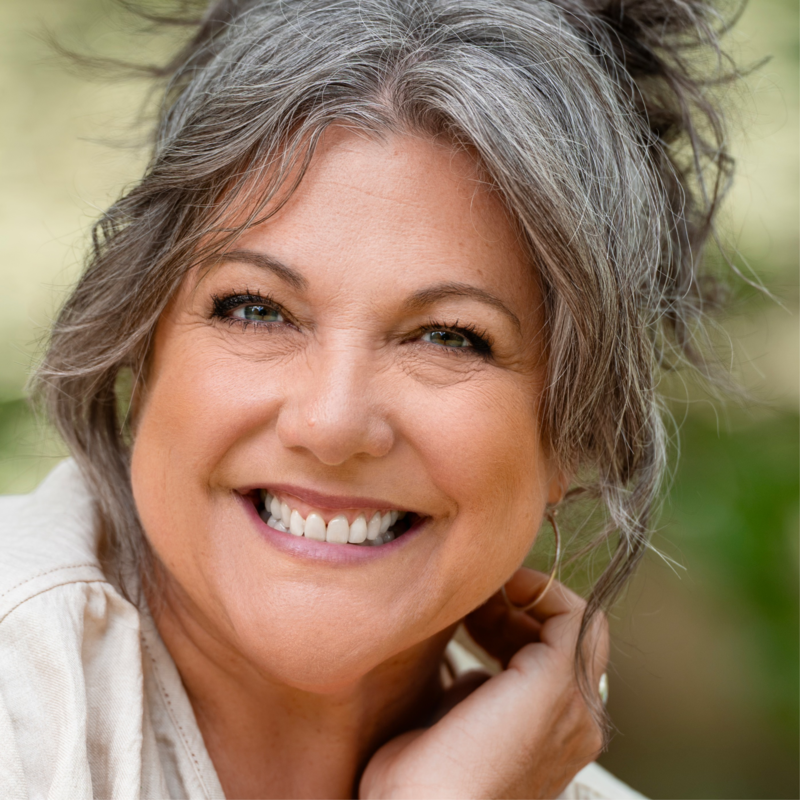
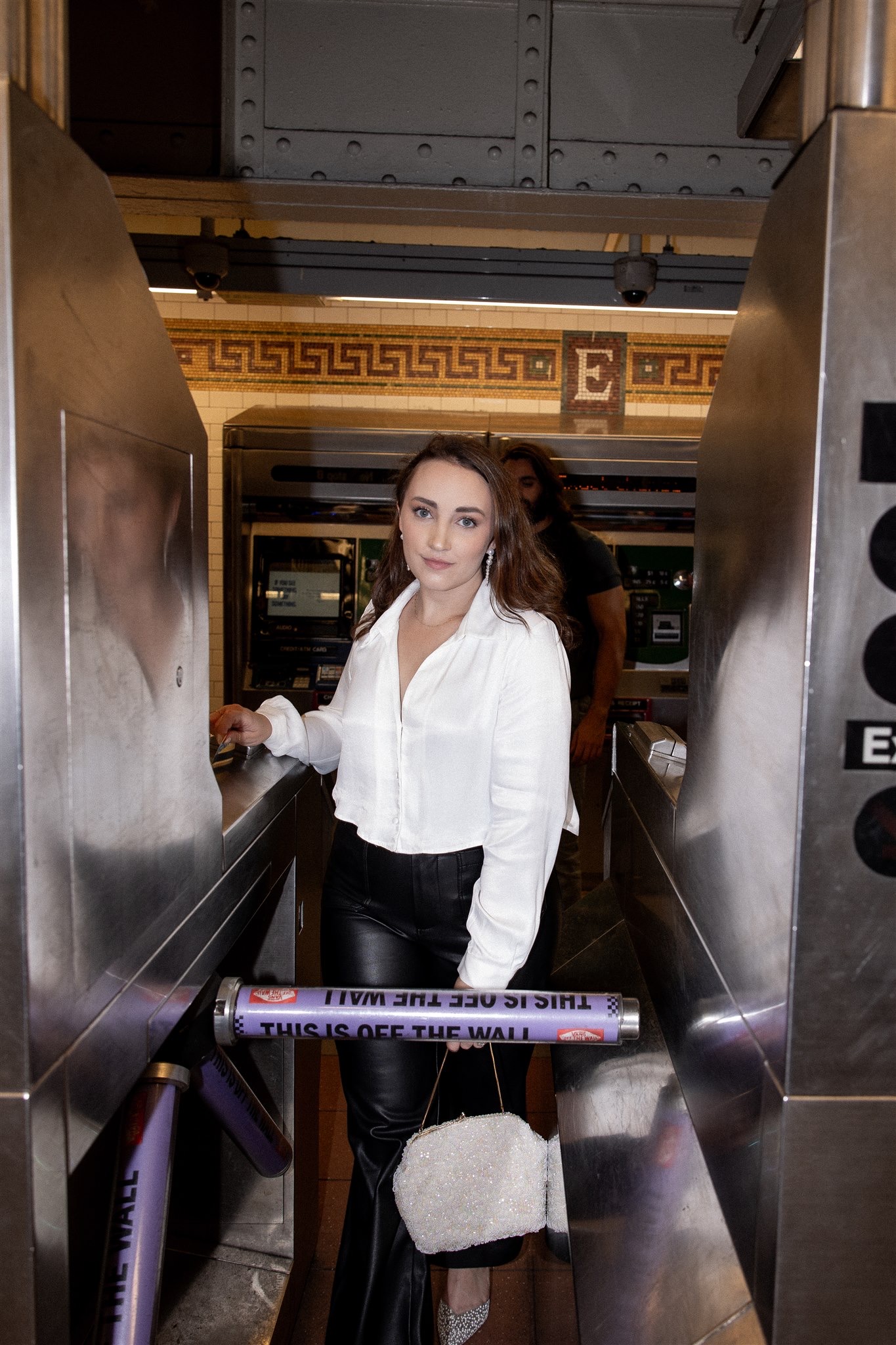
Katie Spector sharing a story about her father who lived with Gulf War syndrome. The way she spoke about him was tender and honest and powerful and really set the tone for the rest of the conversation. You could hear how his experience shaped her view of resilience and empathy and how to move forward in times of tragedy and sorrow and of what it means to keep creating even in the face of pain. I learned a lot about Katie in our conversation. She's an actress, an improviser, a cat lover, that she's a storyteller in its truest form. Her life is an experiment in creativity, embracing the unknown, and staying curious enough to keep imagining what's next. this was one of those conversations that reminded me of how powerful creativity can be when it's rooted in authenticity here's my conversation with katie let's get it
Welcome to Life Between Titles. I'm your host, Savan With me today is Katie Spector. Katie, how are you?
Hey, I'm great. How are you, Savan?
I'm doing well. I'm a little jet lagged. got in last night from DC at like, I think I ended up going to bed at like one o'clock and waking up at five.
Oof. Yeah, I hear you there. The time change is the worst. At least for me, I'm West Coast based and going three hours to, behind three hours, it does a number on you, that's for sure.
Yeah, yeah, and I'm not getting any younger. ⁓ Katie, I believe we met or I first was introduced to you through a LinkedIn video that I thought was absolutely amazing. The production of it was really, really good. ⁓ What made you want to post something so publicly about your transition?
Aren't we all? Aren't we all? Thank you. Yeah, it was a super vulnerable post. I have kind of always considered myself to be a storyteller. I think I said that in the video. So for me, right now everybody's kind of going through it one way or another, it feels like. And every time I went to my LinkedIn profile, I just felt like I was seeing like text post after text post about like, open to work, open to work. And that's great. But I personally wanted to try and find a way to, one, find that human connection, but two, kind of break through the noise of some of that in the hopes that maybe it would make somebody feel less alone and or just reach the right people. And I guess like selfishly, it kind of gave me something to focus on. ⁓ It was a really kind of fun project to go back into video work. Being a comms person, I've kind of done that throughout my career in various spots and spurts. So yeah, for me, was just something to get my mind right and just a way to connect.
Yeah, I mean, I think the the best part of the video was the analogy you made of the one door closing and another one opening. You just feel like you're in this endless hallway of doors opening and closing. And I just thought that captured the sentiment that so many people feel right now. For you, you know, once you posted that video, did you what types of reactions do you get from from your community or network?
Yeah, so I kind of posted it and then just like dipped out. I was like, I don't want to monitor this. got like super nervous after I posted it. And not that I didn't expect it to do well or anything, but you know, just because I don't know, it's just like a weird, you put all this heart and soul into something and then you just don't know how people are going to react. No surprise. You know, my network was incredibly kind, incredibly understanding, really supportive. And It got a lot of really good reach and it was great to kind of, you know, see comments from people throughout my career that I haven't spoken to in a while, which is one of the value adds to LinkedIn. I will say though, you know, there's always like a little like part of you that's like, oh, maybe this post will like get super popular and that'll really land with a bunch of people and maybe it'll go like LinkedIn viral. I didn't really think that, especially since I haven't been like. super consistent in my posting. But it did get more positive reception than I originally thought it would, which was kind of like a nice like, good. You know, my time and efforts weren't for nothing. It resonated with someone.
Yeah, I think platforms like LinkedIn, especially, know, the vulnerability and authenticity definitely comes through and it resonates with the community that you're building there. mean, shoot, like we got connected through that post, right? I don't think we would have ever talked if it wasn't for something like that. So good job on that. Good job on that.
Yeah. Yeah, thanks. Yeah, it's like we're in this dark hallway, right? Like I said in the video, but I guess we're with a bunch of other people and you never know who you'll run into. I'm like, oops, sorry, didn't see you there.
Yeah, right. Katie, want to maybe rewind it back to how you grew up, where you grew up, what that looked like. Where were you born and where did you spend your teenage years?
Yeah, I am a Colorado girlie through and through. I was born and raised in Denver. And then I also spent some time on the Western slope, which is closer to Utah. Colorado was just, I love Colorado. Such a wonderful place to grow up being in the mountains and the fresh air and just the sunny winters. I lived in the Washington DC area for close to a decade and I couldn't get over how like, dark the winters were, because in Colorado it's so sunny and you just like, I didn't know seasonal depression was a thing, but I definitely have it. ⁓ But I loved, you know, growing up in the mountains, still consider myself to be a mountain girl. So Colorado will always be home.
Hahaha! Yeah. Yeah, the seasonal depression is for sure real thing. You know, in Washington, where I am, there's like a span of three months where everybody from California moves here and they think it's like the most beautiful place. And then the rest of the time it's gray, it gets dark really early, it's rainy and they're like, what mistake have I just made here?
Yep. Yep. I'm in Scottsdale, Arizona now and I will say it's beautiful, know, 70 % of the year. It's very hot the other percentage, but when we do get our rare, like kind of cloudy rainy day, I just, I love it because, you know, it's so infrequent here. And so when it rains, I just want to snuggle up on my couch with a book and like listen to the rain. Yeah.
Oof.
So it's amazing how much of an impact the weather has on just our wellbeing and our moods, you know.
Yeah, that's beautiful. I completely agree. Like I mentioned, I was just in DC and it felt like I was in a tornado the whole time. The wind was so gusty and I'm just like, I if I could ever live here. It's nice to visit, but ⁓ yeah, the impact that has on your wellbeing is tremendous for sure.
[10:21]
Yep, definitely.
Katie, you shared with me that you were raised by a single mom, which I think is incredibly like, first, it's really fucking hard to raise anybody by yourself. But two, I also think that the person has so much influence on you because they're the person for you growing up. How did being raised by a single mom sort of like instill some of these other things that like you've done currently in life? Like what did that look like?
Yeah, my mama, my mama is one of my favorite people in the world. I think everybody would probably say that about their moms, or at least I would hope so. But she, you know, really showed me from such an early age, like what it means to work hard. I don't like truly appreciated this until I was older. But you know, my mom, you know, growing up, it was just her and I and
Right.
she really had to put in a lot of work in different ways, right? So she started her own company as a house cleaner and she kind of picked up odd ends jobs here and there, you know, throughout the community. Fortunately, we did have support from both of my grandparents who have both since passed, but I think between the three of them, I really just had an appreciation for, you know, what it means to work hard and like what truly matters. My mom worked so incredibly hard to make sure that I was afforded all of the opportunities that she wasn't. know, she, despite how expensive it was, put me through a private middle school and elementary school. Yeah, it was like a uniformed school and, you know, just made sure that I wanted to go to college and was able to go to college. So I think overall, my mom is just such a good example of how far we're willing to go for the people that we love and how much sacrifice we're willing to put up with for ourselves if it means that somebody that we love will benefit to some capacity. my mom, You know, I really, I can't say I would be in my career without my mom. So definitely appreciate
Yeah, that's amazing. Shout out to Katie's mom if you're gonna listen to this later on. Good work, Jill. Your background and the things you're passionate about are really inspiring. They're very creative. At least in my head, they're very creative by nature. What types of things did you like doing as a kid that really influenced this passion for the arts?
Go Jill! She's totally gonna watch this.
and creativity and all those other things that you're currently doing now for a profession.
Yeah, I have kind of always considered myself to be an entertainer. I am just somebody who like really loves to see people happy and loves to see people laugh and do all of those things. So from a young age, I would kind of just like take on the role of, you I don't want to say being an entertainer, but like, I would just like, I like to sit with the adults when I was like a young child and have conversations with them and tell them stories. You know, I was like dipping into adult creativity and adult like, mindsets and stories a lot earlier than I think a lot of people were. And you know, maybe there's something about being an only child and you know, being raised by a single mother that I was kind of like around adults frequently. ⁓ So.
Yes. Yeah.
I would say my childhood kind of like nurtured my ability to do that. And actually as a younger person, I did do a lot of performing. you know, sports are very expensive, gymnastics is very expensive. And I didn't, you know, I was interested in those things, but I also wasn't interested to the degree where, you know, I wanted to have my mom dish out thousands and thousands of dollars every year for that type of stuff. So, I wanted to find like a creative hobby that I could nurture that also wasn't overly expensive. And so I ended up finding community theater when I was a younger girl. And so I did that for a really long time. I was in a lot of stage productions. My most like proud role, was the understudy for Jasmine in Aladdin, which was so much fun. remember like, when you're younger, you're like,
⁓ nice.
dang, I hope that she gets sick so I can be this. And of course, like, you know, my grandparents and my mom were always like, no, no, we don't hope that, right? Like we're not preaching it for the opportunity. So I took it very seriously being that understudy role, just in case she did end up getting sick, but she didn't. And I still had a really great time overall. So for me, I, you know, was really involved in theater. And then,
Right.
You know, as it happens when people grow up and we merge into our adult lives, think creativity kind of tends to fall to the wayside a little bit as we are here for years, right? Trying to think about, know, crap, I can't think about all the fun things I want to do. I have to think about what I want to be when I grow older and like where I'm going to go to school and how I'm going to make money, all of those things. And so, yeah, all of that kind of fell away naturally.
Yeah, I agree.
And I didn't really delve into anything creative for probably most of my 20s, I would say. And then, you know, it got to a point where I was like, okay, I feel like I'm missing something. Not that there's like this big gaping hole inside of me and I like don't know what I'm doing with my life, but like, I just felt like I needed to become more well-rounded. And I ended up... You know, there's a really great book that actually made me think of this. It's called, I have it on my bookshelf over here. It's called The Defining Decade. And it talks about why your 20s matter and why they're so formative. And I read that book, you know, midway through my 20s, and it kind of like sparked the notion of like, okay, the 20s are really where we like start to form who we are. But the 30s is really where we begin to like execute that and feel like we're like more of who we actually are, less of like trying to figure it out, but more like this is solid, this is who I am. And so, yeah, like as you know, I rounded out, you know, 28, 29, 30, I found myself back in theater. So my interests are very varied and I feel like once you're in a community, it's easy for things to kind of like domino and one thing leads to another, one connection leads to another, case in point. conversation, but yeah, it started with improv. So I'm an improviser and took a lot of really great classes and got really connected in that community, which kind of trickled into stage acting. So I'm a house actress for Buckaroo Lodge, which is a comedy sketch show. And then I'm also an actor for the American Immersion Theater, which is murder mystery dinners. So, you know, it's really awesome to dip into other decades and, you know, lead people through murder mystery events.
Yeah, I've never been to one and I know that when we spoke on the phone, I was telling you about the first one we went to, it was amazing. I had a great time. I didn't even know they existed, you know, the combination of those two things. And ⁓ it takes so much work.
Yeah. They really blew up. Yeah. It does take a lot of work. have like, we have like 12 different types of shows. My favorite one is a 1920s speakeasy during prohibition. It's called Death of a Gangster. And it is just so much fun to enter into a different decade and like put on this persona. for other people's entertainment. And it's so fun to watch adults, even children, know, like our show ranges all the ages, but it's so fun to watch these ⁓ adults who maybe never really tapped into their creative side get really into it and get really into the decade. And you just like, it's what I love about performing is just like seeing people's face light up a little bit, right? Stepping out of the day-to-day patterns of adult life, which, let's be honest, can be really difficult and heavy. And just like being a kid again, I think there's so much good that can come from tapping into that youthful spirit and energy and just allowing yourself to have fun, you know?
Yeah, I agree. agree. The book that you read, I've never read that book. I actually want to put it into my goodreads list, but it's interesting to me because as I'm thinking about you telling the story, I think I tend to agree with the premise that the 20s are such a formative year for people. Do you regret any of the decisions you made as a starting off professional you know, adult in your 20s that in hindsight, now you're like, man, I wish I maybe did more creative things or things along my passion versus things that were just getting me to that next title or that next position.
Hmm. That's a good question. I don't know if I regret anything. I think that we're all on our own individual paths and like we're kind of where we're supposed to be. There were certainly times where I felt like maybe the universe was giving me a nudge like, hey, maybe we go down this road instead of this road, you know? But I mean, I can say that, you know, every part of my path, both professionally and um, you know, on the creative sort of like fun side has come to me at the right time. Um, the, book, the defining decade, it, there's a concept that I think a lot of people tend to abide by it. And it's that your early twenties are like a time for play. They're a time to like, um, you know, just go off and gallivant around another country and just do all of those things. Maybe you'll go to school later or don't really focus on your career in your early 20s, because you want to live your youthful life. This book actually takes a kind of counterpoint approach to that and says that your early 20s are really where you should be thinking about where you want the rest of your adult life to look like. So you should take it more seriously, right? If you want to go to school, like get school done. Don't like, don't like essentially like dabble and waste your early twenties. because it really sets up the foundation. And then once you're like more established, that leads you to just feeling more secure, in your thirties and like, you're more of like yourself, like you just know who you are more so when you're in your thirties, feels like, not to say that, you know, we all. 30 year olds plus have it all figured out. I do think that, you know, I can't say I have any regrets because I like my path was my own. There were certainly many learning points along the way. And there's there's always time, right? Like, I, this is my personal philosophy. I have the five second or five minute rule. It's usually five minutes.
[21:41]
Right.
Um, and the the concept is that if you think about something collectively for more than five minutes, like it comes to your brain, like an idea, something I want to do. If you collectively think about that for more than five minutes over the course of how much time, like a month, then you just do the thing. Um, and I think what people lack is, uh, not the ideas or like the creative input or sides to them. everybody has things that they secretly wanna do, right? They lack the action and the just like the go mentality. And that has actually served me really well. If you think about something collectively for more than five minutes, it's probably something you are being drawn to or really want to do. And just say, yes, like go do the thing. If you don't like it, fine, but at least you tried it. I think that's...
Mm-hmm. Yeah.
What people are so afraid of is just like the fear of what could happen or rejection or what if I don't like it? And my counterpoint to that is always like, okay, what if you don't like it? You don't have to do it. You're an adult, right? Just go, go try it because what happens if you love it?
Right, exactly, exactly. I was gonna say the same thing. mean, I think when you're a kid, you're not as worried about a lot of these things that cause anxiety for you as an adult. And one of the common threads or themes that I've been hearing with my conversations throughout these last couple of podcasts is sort of the fear of the unknown and the fear of taking those chances. And I, you know, from your perspective with this rule, how have you sort of gotten over a lot of those barriers to to those fears? Because it it sounds like you're doing a lot of creative things now that are that you're truly passionate about versus doing something just to get to that next level.
Yeah. I would say one of the things that's really helped me with that is being surrounded by people who have the same mentality and are also tapping into their creative sides. ⁓ my, yeah, my, my husband is a creative entrepreneur. He owns multiple businesses. and they all came from his brain, right? He owns a lifestyle, apparel brand. does all the designs for that.
Yeah, that's super important.
⁓ you know, he, he has so many other things that require him to use his brain every day and tap into that creative nature. And, he's always looking for like what the next thing is going to be. like the other day he just comes into the kitchen and he's like, I think I want to do relief sculpting, which is like, so random. but I love that for him. And so it's, it's easier to.
What is that?
Do that for yourself when you are also surrounded by other people who are kind of doing the same thing and fighting that same battle every day. The Fear of the Unknown, I am an avid reader. I love to read. I'm actually on a goal to read 100 books this year. No audiobook. Not that I think it's still reading, but I don't do audiobooks. And I'm almost there. I'm at like 78 or something. So on track.
wow. Nice.
I end up reading a lot of like fantasy and like just dipping into other types of worlds. And usually when you dip into that like type of, you know, thing, you have these like main characters who are often like the hero in their own story, right? Like they're fighting these, you know, unseen pressers and like evil villains and everything. And, you know, it's interesting to see how writers spin that and how they like help their character through that emotional turmoil and like whatever sort of challenges they're facing. And so I kind of like to think of myself as like the main character of my own story. I mean, we all are, right? But I try and like, I don't want say gamify, but like I try and not take it so seriously, you know, like,
Right. Yeah. Yeah.
There's always going to be something in life that is pressing on you. There's always going to be the next big thing that's scary. Fear is, you know, it could be scary for sure, but I think fear is one of the best motivators. And I've never really been the type of person to just like go sulk in the corner and be like, ⁓ life is being mean to me. I don't want to do this anymore, you know? ⁓ And if you look at like every novel,
Right. Right.
there wouldn't be a novel and there wouldn't be a story if the main character also did that, you know? It would be boring. And so I think about that and I'm like, if somebody were to be writing my life right now, right? What would they write? What would they write as my mentality? And what would they write as like how I chose to overcome whatever it is? And the other beautiful thing about the analogy of like picturing your life is a book or a story is that
Yeah, it would be a boring one for sure. Yep. Yep.
there are multiple chapters, right? And there's nothing to say that there's a set amount of chapters. And so I'm kind of viewing this, you know, phase of my life as unfortunate and scary and all the things that it is as just like a chapter. And I know what comes after that is like the redemption arc or the, you know, the better part of the story where like stuff works out.
Mm-hmm. Right. As an aside, what's been your favorite fantasy book this year? I'm a big fantasy person as well.
it just came out. It's called the ascended. It's by two authors, actually. It's by Parker Lennox and Bree Greenwich, I believe. it is just a unique take on Greek mythology, gods and goddesses, powers. It is just phenomenally written. I've read so many books.
I love that.
notebook has quite sucked me in like this one did. I could not be bothered. I was like glued to the pages, finished it in a day, like think about it every day, like such a phenomenal piece of work. Yeah.
Okay, I'm gonna add that to my reading list as well. Katie tell me a little bit about how you fell into, maybe purposely or not purposely or accidentally, into the types of work that you've done recently. How did you get into that? Because I'm always amazed by how people pick the jobs they do because there's such a huge commitment. And on its surface, it sounds like many of the jobs that you've had are very different than these things that you've just talked about, Like performing and fantasy books and all these things. Like, how did you piece that together in your head?
Yeah, I'm a big proponent of like having a why. I think everyone should have a why in their career, really for anything that they do professionally. You should be able to like answer the, are you doing that? Like, why does that matter to you? So for me, I mentioned that I was raised by a single mother. My parents got divorced when I was really young, but my father, He was a Gulf War veteran and he was somebody who was really sick. He had what's known as Gulf War syndrome. That's like a recognized thing now, but you know, back in the late nineties, early two thousands, people didn't really know what it was. It kind of got chalked up to various things. But as a result of my father being in the war, he had severe PTSD. He had He was an airborne division, like paratrooper. So he had really big issues with his knees. He got exposed to a lot of like nerve agents. And so his body was just really, really messed up. A lot of my childhood is like remembering my dad as being really sick and hospitalized. And he unfortunately did pass when I was young, I was 13. And, you know, that That kind of like shook me as I think of what any 13 year old, but you know, you're already at this formative age or kind of like figuring out your body and who you are. And like, this is so much that happens at 13. And so, yeah, my dad had passed very unexpectedly. And then a couple of hours later, completely unrelated, my godfather also passed. So for me, I felt like I lost kind of to father figures at once. And so I really struggled with that for a while. But, you know, I was always really proud of my dad for, you know, his service and like, despite everything that happened to him, he was still so happy to have served his country. So, you know, fast forward years later, I'm 23, I believe, and I am kind of working in some of my earlier jobs and I decide to FOIA request all of my dad's medical records. Yeah, I didn't really know that you could do that. I mean, I knew you could, you know, request that stuff. It was a whole process. And what they do is, you you have to send in a hand signed letter to this PO box at the VA and then they send you a physical CD back. Like that's how they give you the files. So, you know,
[31:42]
man.
It's like, it's like, you know, 2020 something. And I'm over here like, I don't have a CD player. I literally had to order a CD player off of Amazon to get these files, which, know, you want to talk about like service design. Like we should improve that process. I, so after getting these medical records, literally thousands of pages, I read through every single one of them. And I realized how failed my father was.
wow. Right.
so incredibly failed by the VA. these handwritten notes, these notes from these doctors, as a result of all of his like medical issues, my father unfortunately did have addiction issues. He was addicted to pain meds. He also had untreated PTSD. And in these medical records, you can see these notes, you know, patient came in. you know, talking about pain, XYZ, obviously addicted, still prescribed X amount of pain pills, like completely glossing over the actual treatment, getting him resources. There were times when, you know, he came in and I have these handwritten doctor's notes from VA doctors that say like, patient is obviously suicidal, recommended that he go to therapy and seek treatment, prescribed meds, went out the door. kind of just no like individualized attention, just kind of seeing him as like a number, not really taking his complaints seriously. I think that was one of the biggest things that the VA did was, you know, because Gulf War Syndrome and you know, what the PACT Act has now kind of recognized. These veterans were just kind of like, seen as like they did.
Right.
Nobody really cared and nobody really saw it as being, you're valid and things are actually happening to you as a result of what happened when you were overseas. So that became a very big why to me. I'm also, my husband is a veteran, my grandfather was a veteran. So I'm very connected to the veteran community. But I knew that what I wanted to do with my career was to make sure that I was helping to improve programs and services so that no other family member or, know, I'm imagining myself in this scenario, like a daughter of a young veteran has to FOIA request their parents medical records and see such a blatant regard for care. And I'm really, really proud of VA because they've come so far in really getting to the root of those problems and like, getting providers who really care and getting them the training that they need and really improving these kind of life cycle, wholehearted, connected services, kind of seeing the veteran more holistically than just like a patient. And so every sort of job that I've had throughout my career has been in the military and veteran space, whether it was, military transition with the transition assistance program, whether it was, you know, helping veterans find employment after disability, so many different things have always connected back to that personal why for me. and I like to think that, you know, I have a picture of my dad on my desk with me all the time and he's in uniform. And, I just he wasn't able to. ⁓ you know, continue his service and he, he wasn't able to continue his life, obviously, and, and see what's kind of become of this. But I like to think that as a result of maybe some of the things that have been implemented and things that I've had a hand in, ⁓ that they would have helped my dad, particularly if we're still here, but also I know that they're helping other veterans. So no, no daughter has to go without her, her dad. So yeah, that's why.
Yeah. Wow. That's a powerful story. Thank you for sharing that. That's it's these drivers that I find so fascinating for people, especially adults that keep us going, you know, and for me right now, I am looking for what that next
Thank you.
driver is I think like historically, you know, my early 20s, it was my parents were we grew up super poor and we immigrated here, we had nothing. so it was just like, I just needed my big my three big goals as a kid was like, I want to make $70,000. I want to work in a skyscraper. And I want to own a Mercedes. And that was like, success to me, right in my 20s. And I did that working at the startup, but then I was like, after I checked those boxes, I was like, what, what else am I going to do with my life? And, you know, all I knew was just working at these tech companies and then, you know, finally getting to the DOD after a while. I, I had very different drivers of, of how I approached not just work, but like what I thought was very important to me and in life. I, you know, I'm interested in sort of how you've taken, like maybe more tactically, these powerful experiences you've had with your dad, maybe with your husband, and anybody else in your family and have translated that to professions and jobs and skill sets that do make a difference. Because I agree with you, I think the VA has come a long way in the last 20 years and I mean, there's still a lot to improve on clearly, but they've come a long way and I think it is because it's people like you that have like put in that time and that heart and energy to making it better. From a tactical perspective, what did you do to say, okay, like, I want to make this shit better because I don't want this to happen anymore. And I'm going to come in and be like a bull in China shop and like, let's go and make shit happen. Even though the VA can move super slowly, the DOD can move super slowly. How did you approach that?
Yeah, it's a really good question. You know, I think a lot of it started with like, inner, like interpersonal interest is an introspection. think that's the yeah, whatever, you know, tomato, tomato, all the things. But for me, I kind of like grew up with a lot of people telling me
Whatever.
You know, and any child should be grateful to be raised like in a community where they're like, wow, you're so talented at X and you're really good at this and you should do this. You should do this. I, when I was younger, was really fascinated by medical care. actually thought that I would grow up to be a doctor. But I unfortunately have dyslexia and I think I kind of like talked myself out of it. You know, like there's a, there's a part of. Growing up where, you know, if something formative happens and you, you you have an experience of really struggling with something, for me it was numbers and letters, like I was really bad at math. I kind of like convinced myself somewhere along the road that I couldn't become a doctor because I was bad at math and like it wouldn't be worth trying and that I would like kill someone if I even attempted to become a doctor. As an adult now, I wish I could like go back to my younger self and be like, no, don't think that, you know, you can do anything you put your mind to. But I kind of like had to think about my skill sets and what I was good at. And all of it kind of led back to communication. That's like right in line with the, you know, acting thing that's right in line with being that entertainer. But I've always loved to just talk and tell stories. Case in point, we're talking now. And so for me, I think that's how I naturally found myself in communications in general. And all of my opportunities that I've had professionally, I would say probably came from me forging my own paths or finding mentors or people that I admired and learning from them. And that's how I found myself in one of my very first careers, which was as a public information officer. It was for a law enforcement agency. I interned with a public information officer at a sheriff's office in Colorado. Her name is Heather. In a wild like twist of events, you know, we both went on our own career paths. She left that role. She's actually back. as that same PIO at that same agency after a decade. So yeah, and we've stayed friends. She's a lifelong mentor. Her name is Heather and she's so incredibly talented. But she was somebody who saw something in me. And I think that's what every like young person needs. They need a mentor, somebody who can coach them and like, just like...
Wow. Yes.
encourage them and point them in the right direction. And like when they feel like they're lost, because let's be honest, you know, most of us do when we're early on in our career, or even like mid career when we're having, you know, moments like these, like, ⁓ was a mentor, somebody who could like tell me what I'm supposed to do now. ⁓ And so as a result of that, I kind of just like fell in love with it and it stayed and
Right?
[41:02]
The opportunities just kind of flowed naturally from there. I had a moment of like proving to myself that I was meant to be in communication and public service to some capacity right after I moved to Washington, DC. So I moved fresh out of college, literally had a job interview. And mind you, I was still in Colorado at the time. So I was applying for jobs in the Washington, DC area across the country.
huh.
you know, on green just applying to whatever, right? Like just get me out there and I'll figure out the rest later. So I interviewed for this real estate company early on, like two or three days before my college graduation, the morning of my college graduation, I get a call from them and they offered me the job. So I had, I felt like I was on top of the world, you know, like fresh out of college, brand new degree, like just.
Right.
moving to DC felt like I was like, just such a big fish. I made it, right? And then I get to DC, I realized that I am not a big fish. I am a very, very small fish in a very big pond. And quickly learned that that role in that field was just not for me. I had so many things going on and I just...
Yeah. Yeah, you made it.
You know, I was homesick, I was confused, I didn't have any friends. I was in a job that I just like, for whatever reason, just could not seem to do well in. And, you know, reflecting on that, that wasn't a lack of like skill or talent on my part. It was just like that lack of passion, you know? Like when you're not passionate about something or you feel like it's important, you just don't show up as your best self every day. ⁓
Yeah. Agreed.
And, you know, I realized that and so, you know, quickly transitioned out of that job and into another job that kind of really started my military and veteran career, which was really awesome. And all of it kind of happened naturally through contacts and people. And that hidden job market is... so important and you you hear people talk about it but I don't think people realize like how frequently it's really used.
it's, it's, it's, would say it's probably the biggest and strongest way to get any job you want any opportunity. It's definitely not not LinkedIn and applying for it online. Definitely not.
Yeah. Yeah. And so I would say, honestly, pretty much every job that I've ever had has come through Connection or that hidden job market. And I think that's what makes like this period so scary is that my network is kind of in shambles at the moment. Like literally everyone I know is going through something similar. ⁓ And ⁓ it's it's scary. It's literally like nothing I've ever
Yeah. Agreed. Me too.
faced and you know going back to that fear as a motivator what are they going to write in your story type of thing I kind of feel like it's it's challenging but you know something will come out of it right like your network is it can forever grow so that's what I'm trying to keep in mind right like you never know who you're going to meet ⁓ and you just kind of have to keep showing up and putting yourself out there and I even feel like as an adult well established in my career that sometimes I need a mentor. And, you know, it's, it's, it is. You're never too old for a mentor. Yeah. Or to like, even sometimes be that mentor. I find that like sometimes, you know, going back to that, I'm a helper by nature, but like sometimes going and just helping somebody else also can fill your cup a little bit.
You're never too old for a mentor. You're never too old.
But it's weird, I guess not weird, beautiful how much we rely on other people. And even in our professional careers, how much can come from connection?
Yeah, I agree. I was having a conversation with a new friend yesterday. And one of the things we were talking about was, you know, just not being a d*** at work, right? Because you never know. You never know. Like maybe you're the big shot there now. But at some point in the future, you're you're going to be needing help in some capacity. So just be a good person. And it's hard.
us. be a good. Yeah.
It's hard. It's it's it's so hard when egos at play and there's all these things and you feel like you're the man and you're the boss and whatever. But, you know, it's it's such a your network is not as big as you think. And the degrees of separation between you and whatever else you want to do next is very, close. And it's it just makes it a lot harder if you are a jerk. So there's your Here's your PSA for today.
Yep. Kindness is king. It really is. It's so important to be kind. I think just, just like, remember that your colleagues are people, you know, like, everyone's got something going on. know, nine times out of 10, any friction that's happening at work or like any sort of like misunderstanding is just like a lack of someone like not
Yep.
seeing something from somebody else's eyes, right? Or just being a jerk, right? Like, kindness to your point can go so far, both in your day-to-day life, but also just like in your career. Like, you never know who you're going to meet, who was watching, and who's going to pop up.
Yep. Yep. Um, Katie, I want to talk about something that I am really not good at and that is yoga. Um, you told me that you're a registered yoga instructor and that's one of the things that, that you are currently doing or want to do or I've been doing. How did you get into that profession?
Yoga is, it's always been a part of my life to some capacity. was really involved in yoga when, like I did a lot of yoga when I was younger in college. And for me, yoga is more about the mental side of things. And I,
Mm-hmm.
found yoga. So I became a yoga instructor back in 2022, 2023, I believe. And it was just something that, you know, I was going to a yoga studio as a part of the community, found out that they were doing this like teacher training, and I just couldn't stop thinking about it. So going back to that five minute rule, I collectively kept thinking about it. But what really surprised me was I thought it was going to be more of like a physical practice, know, like learning all the moves and how to teach and all of that stuff. And it was, don't get me wrong, like doing three plus hours of yoga a day is challenging for anyone. ⁓ But what was more surprising is the mental and emotional side of it. And that's the piece that I think has continued to.
tough. Yeah.
helped me most in my career, but also just like in my life in general, you would be surprised how many adults don't know how to take a true deep breath.
I'm one of them. am definitely one of them. And it is really, really hard for me to get into that state. I used to, I guess I still do, but I used to do Bikram, which I think they call hot yoga now because of all we won't get into the Bikram thing. like, yeah, it's a whole thing. It's another podcast episode. But one of the things that my wife tells me, she's like, you just don't know how to relax.
Yeah, different than whole thing.
and just be present. Because I'm always like so I'm thinking about something or I need to do something and just that art of being present and mindful is so hard for me to do. And yoga is probably the only thing yoga may be running. But I need to be running for hours to get to that mode is is the are the only two things that puts me into that state. But once I get into that state, it's so positive. and there's just so many things, good things that come out of that. How do you teach people to be mindful? Especially when they're struggling physically, like I'm just like in this position, I'm just like, the teacher's, you know, trying to tell me be mindful. like, I'm trying to be mindful, but clearly I'm not.
Mm. Yeah, there's something to be said about getting out of your head and into your body. I think that's where like yoga really comes to play, right? You know, for a lot of people, it is just a physical practice. They're just there to, you know, stretch and move their body. But, you know, you'll see people who do yoga and then they get frustrated that they can't do the move correctly. Right. So if you if you sit with that thought for a minute, right, like
⁓ that's me. Yep.
There's something to be said about like your own psychology and how you react to something new or not being able to do something perfectly or doing something that physically hurts. So yoga to me is really, just like comprehensive practice that can teach us so much about ourselves and so about patience and letting things go. And There's a concept in yoga and it's called the yamas and niyamas. And it's essentially all of the things that we need to have in our lives to keep us in balance, right? And it's something that I think, you know, we could go deep into the like religious side of yoga, because yoga really is a spiritual practice. I won't do that. But there is something to be said about as professionals, you know, learning to sit in the moment, learning to ⁓ empathize and learning like when to let things go and how to, you know, react with things and kind of a more neutral way and less of a like super, super happy or super angry, you know, like just following more like a middle road of things like is really what I think yoga is about. And for me, like
[51:06]
Mm-hmm.
you know, when things get super tough, it can be really easy for those positive habits and things to go out the window. I don't know what it is. I mean, I guess it wouldn't be a practice without that. But like, when I'm super stressed, the first thing to go is my breathing, right? Like my shoulders come up and I just like, get to take a deep breath, forget to just like, take a moment to myself. And I think a lot of people deal with that. And so
Yes. ⁓
Yoga can look like so many different things. It doesn't necessarily have to be you going to a yoga studio and holding poses like Bikram poses for, you know, a minute plus and subjecting yourself to all of these things. Yoga can be a mindfulness practice where it's just, you know, taking five minutes even in the morning to just meditate, just sit there in the silence, you know, taking a couple of minutes in the middle of your work day to just like take a few deep breaths and like really focus on what that feels like. And that's what I love about it. Like there's no right or wrong way to do yoga. And what I personally love about yoga is where the military and veteran community and yoga meets. ⁓ There's a ⁓ yoga.
Ooh, ooh, what is that like?
like project is called the Veterans Yoga Project, I believe is the name of it. Yeah. Yep. Veterans Yoga Project. the concept is that it, you know, helps veterans who are really struggling with PTSD, who are maybe struggling with other things to like process that both in a physical way, but also in, you know, an emotional mindfulness way.
Okay, now the clear name.
one of the best things I've seen as a teacher, we tend to store a lot of emotion in our hips. It's just like, are you? Yeah, in our hips. So in our hips, it's like, it's just like a chakra, or it's like an area where your body just like holds memory and emotion. So you'll see a lot of people who will get into hip opener poses like,
In our hips? Interesting. Okay.
⁓ pigeon pose, which is you've probably done it, you know, it's like where you're like leaning forward on your hip and it's, could be a bit painful, right? Especially if you a lot of tension. I've seen like full grown men, very, you know, like the stereotypical, like, you know, big burly guy, just like start weeping in that pose. And they're literally like, why am I crying right now? And it's because
Yes. Yeah. Yeah, yes, yes. I love it.
It just like emotion just like floods up and like gets released. And it's beautiful to watch people like process that in real time. And I think, you know, we're all emotional beings. We all have these like, I don't know if you saw the movie Inside Out. ⁓
Oh God, I cry. I'm a big Disney movie crier. That's my thing. It's so good. It's one of the best.
It's so good. It's so good. And so like when I'm you know, teaching or I'm seeing people like in these poses and like dealing with these big emotional things, I imagine the little like emotion guys in their head like, yay, we finally get our moment. We finally get to come to the surface. And it's just really beautiful to be able to help people in that capacity and just watch people in their journey.
Right. Yeah, and it's such a powerful thing to to be able to communicate that in different ways, whether we're talking about it, or you're going to practice something or you're physically like in that mode. And I know for sure, I need to do more of that. And, you know, I think, stereotypically, I'll just blanket out a statement here, but I think men have a harder time at releasing some of these things. Maybe we just aren't as good about being attuned into some of these practices or maybe you just don't want to, but I know for sure for me, these conversations are one of the outlets that I found to be very helpful. And it helps me sort of like, one, stay grounded and, you know, the sky is not falling and, you know, shit's just like not blowing up all over the place, but two, it also gives you an appreciation for other ways that people can actually, you know, cope with traumatic events or scary situations and I think like yoga is definitely one of them like meditating something that I haven't done but I want to do is like another one and there's just so many of them that that are out there. How much of your time do you spend doing things like performative arts and teaching yoga and doing yoga versus maybe some of more drier things like searching for jobs online, you know, talking to recruiters, stuff like that.
Yeah, that that's probably been one of like the hardest things that I've like had to figure out in this new phase is like what my day to day looks like. My husband and I don't have children yet. And so for us, it's like weird to be in this phase where like a lot of my day to day was my job, right? Like, an easy routine, right? You wake up, you go to work, you do your meetings, you run your errands, whatever you go to the gym, you make dinner, you read, you go to bed, whatever. When something such as losing your job becomes such a big disruptor, all of a sudden, you are left with all of this time. And I think the concept that time is money is beneficial, but also like hurtful in a lot of ways, because The first few weeks where I didn't have a job, was like, felt like I had to push myself and I had to be constantly applying to jobs and constantly like on LinkedIn, talking to recruiters, improving my professional image, networking, doing all the things. And then I realized how toxic that is to one's mental health for so many reasons.
Yes. Agreed.
I don't think as humans we are meant to have so much fast and personal rejection. ⁓
Yes, I love that. I completely agree. I completely agree.
It's like a battering ram to one's ego, like to apply for all of these jobs and to just get the automated rejections to get ghosted to, you know, constantly feel like you're, you know, because there's so much competition and you're happy, you know, that somebody got a job, right, but to constantly be met with like, you know, we loved your resume or we got super close, but we've just decided to go with this person instead. that is not natural to the human experience. It really isn't. ⁓ it's one of the things that I think AI has like really done a number on is like, taking the human element out of job searching. and so for me, I quickly realized early on that, like, my mental health would literally be in the toilet if I kept pushing myself and didn't focus on other things. ⁓ to kind of fill up my cup instead of like take it away. And so I, you know, still kind of struggle with it. There's some days where I don't apply to any job at all, you know, and I, I just focus on other things for that day. I found a new groove of like, I'm supporting my husband with his companies, which has been really great. I'm focusing on a book that I'm writing. I'm still taking the time to focus on applying for jobs, but trying to be more. methodical about it and like more intentional about the types of jobs. And then, you know, just focusing on other things that I enjoy, like entertaining, acting, reading. And I think by doing that, like I'm starting to kind of enjoy this time of my life where I can focus on those other things without the external pressers. But it's odd at the same time, you know, I am kind of like, I had unlimited, you know, it's like a cool unlimited PTO at my previous company. And I never really took advantage of it. You know, I did take a lot. You never do. You never do. But it's weird to be like in this time of my life where I'm like, wow, I have so much time. I should go travel. I should like do the things that I couldn't do when I have a job because I have external, you know, things to focus on. But then it's also like
You never do. You never do. Yeah. Yeah. Yeah.
you feel guilty because I shouldn't do that because I don't have a job. So it's like, you have to find a balance of like letting yourself enjoy free time while still feeling like you're not being, you know, lazy or, you know, not focusing on the next step and where you can grow. I still struggle with it. but I think everyone.
It's hard. I was talking to a good friend of mine and she is going through the same thing. One of things we talked about was she's now in a position where she's worked for a long enough period of time where she's been at very high levels of her career. She's put in a lot of hours to get to that point. she now has the time to reflect and one of the things she's noticed is she's like, Savan like don't have any hobbies. Like all I've done is just, you know, worked and raised the kids and all the hobbies and all the things I do are just the things that everybody else likes to do. And I'm like, in this position now where I'm trying to figure out what do I like doing? I don't even know what I like doing. And, you know, that sort of realization is scary. because it also puts you in a vulnerable place of not knowing or feeling like you've wasted parts of your life because you just work so damn hard. And now what are you left with once that job is done? it puts you in a very vulnerable place that I don't think you realize until you get there. And then you're like, holy shit, how the fuck am I going to move forward with my life, right?
[1:01:52]
Yep. Yeah. I, as somebody who has many hobbies and like actively does those things, people often ask me, how did you find the hobby? like, how did you make friends within that hobby? like, I've actually been called brave for having hobbies. I really struggled with that one for a hot minute, but I think it's because
Right. Weird. Huh.
A lot of people are maybe raised with like, how am I going to phrase this? I think a lot of people are taught and our society teaches that unless you're contributing to the economy and to the world in some capacity, which in America usually comes in the form of work, the nine to five workday, that if you're not doing those things, you are lazy or entitled or like it just people get painted with these stereotypes. And for some people, depending on how they were raised in their families as well, maybe having hobbies isn't encouraged or it was frowned upon. For me, I can see why maybe it would be scary to like focus on something that doesn't pay you. But in my opinion, it does pay you. It fills your cup in so many different ways and it teaches you about yourself and it just adds joy to the world. And I think that's what makes really well-rounded people is when they're not just all work, there's an identity outside of work. And it's that... true self, that like the person who's not the title, the person who's not just like whatever their hobby is, but the person behind all of the different masks that we wear from day to day, that is like glowing and happy and just like happy to experience life. And I will say for me, like, you know, being unemployed sucks. It's not fun. It's definitely boring. It definitely weighs on you. But having hobbies kind of makes it feel like I'm still worth it and doing something, you know, and that is good for your health.
sure. Yeah, I agree. I think, you know, one of the things about hobbies that's so powerful is it it it positively recharges you in so many different ways. And one of things that I'm actually surprised that we haven't talked about as much on the show is some of the things that are very damaging to individuals after they've gone through something traumatic like a job loss after being there for 20 years or whatever and Filering into drugs, drinking, going out too much, hanging out with your friends. I know there was, the analogy I have is like after I broke up, my first girlfriend and I broke up, I just called my buddies and I didn't have any hobbies at that point. And I was like, we're going out every night. Doesn't matter if it's this Tuesday, we're going out. Even if there's only two people at the club, we're gonna be there. And, you know, to me in my head, it's that it's that same mentality where if you don't have these positive outlets and you don't put in the time to recognize what they are and identify them, you could very well like spiral into, you know, very dangerous habits that's hard to get out of because that's your only coping mechanism.
Yeah, I also think there is something to be said about that self-destructive nature. I think people subconsciously, when they lose something that's big, maybe they kind of think it's something that they did. I think this would maybe be more in the case of people who got fired for performance issues or something, something that they had a direct hand in, not just what's happening in the world right now.
Mm-hmm.
you know, like this subtle, like, I need to punish myself. So therefore, like, you know, I'm going to do all of those, like things that do harm to your body as a way to numb it. I think that's part of it. I think that we live in a society that is full of distractors and things that make us ⁓ numb and make us feel good for a very short period of time.
Yes. Yes.
And, you know, what's weird about like now is that I feel like there's so many different things coming out. Before, like, it was just like alcohol and maybe like weed or something, you know, like the standard things. And now I feel like you have so many different ways to like, like, they have all these like gummies and they have all these fancy, you know, and it's like, it's kind of crazy. There is a lot. And so I feel like you have to,
Yeah, you're right. Yeah, yeah. There's a lot.
relearn how to say no, but also like find an outlet to have fun. Which back to hobbies is like, you know, maybe my five second rule should be amended or five minute rule should be amended to like, if you think about something for more than five minutes, not hard drugs included. Don't do it.
the caveat. I I love it. I love it. Hey, I want to talk about something that we both love. And that is cats. Speaking of things that are positive cat. I was never a cat person growing up. And I'll get to my point here. But just as an aside, I was never a cat person. I had dogs growing up and became a cat person was my wife.
Yeah, he's got-
we were dating at the time, she said, and we live together, she said, Hey, do you want to do a cat trial? I said what is a cat trial? She said, Well, our friends have our mutual friends have two cats, they don't their tuxedo cats, they don't like each other. And so they're wondering if you know, we want to adopt one that said, or you just can't say no, right. And so in the back of my head, I'm thinking there's no way in hell. We're going to take this cat for a week and then give it back. Like that's not happening. And so, we adopted the cat and I was allergic at the time, but, um, the cat ended up being, um, the cat loved my wife rest in peace to Ringaling but he, he loved my wife. He was not a very cuddly cat. Like he would, he would bite your feet if it was sticking out of the blanket. You know, it's like one of those like attack in the middle of the night. And so. Growing up, was always just skeptical of cats, but now we have even more cats now. At one point in my house, we had like four cats running around here. But the point I'm trying to make here is there's these things that are in your life that bring you joy from out of nowhere. And I feel like cats was one of those things, right? And for you, ⁓ this fostering of cats. How the heck did you get there? And what are you doing with it now?
Yeah, I think if you've learned anything about me at this point, it's probably that I have like my hand in a million different things. Not even like the rest of my volunteering. I've always been somebody who's like, I just like to be a part of my community and serve it to some degree. I grew up with cats. I've loved cats since I was like a little girl. I've had cats growing up. And this kind of goes back to what I said about I wanted to be a doctor.
Yes, yes. I'm starting to get that. Yeah.
I've always been kind of like fascinated by medical stuff and, I think they just kind of like converged with fostering. I started fostering when I was living in Washington, DC at the time. And I got hooked up with the humane rescue Alliance shout out HRA. and from there, I just like got these tiny, tiny little kittens, little newborn kittens can be like, this big, they weigh like super, super small, like grams, you 200 grams. And over time, I just really enjoyed the process of like husbandry to little animals. And I started getting really good at it. And I actually had the opportunity to learn from multiple vets, like how to do certain medical procedures. So,
Right? Right.
I kind of like specialized myself within the neonatal kitten population on certain things because they're so vulnerable, like how to tube feed. So what happens when a little kitten isn't eating properly, how to give subcutaneous fluids, how to do certain, you know, other medical procedures and, you know, treatments and things. And so I just really enjoyed that process and I somehow just kept volunteering myself to like take in more kittens over time. like the process is you take in a little kitten, know, raise it until it's about eight to 12 weeks and then it gets adopted out. And so it was a very like rewarding process of like saving the little life, watching them blossom and then watching them go on to their forever home. So I did that for, you know, many, many years and I actually have two cats. So my first cat is Ludlow. He was a birthday gift for my husband when we had first moved to the Washington DC area. And then he's a big giant tabby. He is a little ridiculous dude. He looks big and menacing, but he has this high pitched meow that is it's like super high pitched. you wouldn't expect it. He also has separation anxiety. So
What kind of cat is Ludlow?
[1:11:13]
He has this little stuffed mouse that when we leave, he puts it in his mouth and he walks around the apartment and just starts meowing. It's really adorable, but he like it's it's kind of just like funny to watch this like big burly cat like be like a little baby. And so he got a brother. So one of my fosters actually, his name is.
⁓ Yeah.
Well, his name at the time was Pancake. He's a little black and white tabby, love tabbies. He's a long haired dude. Came to me and I just quickly realized this cat is so weird, so quirky, I have to keep him. He was my only foster fail. yeah, foster success. Yeah, he literally likes to fetch Q-tips and bell peppers.
Okay. or foster success. What?
I wish I was joking. Like, you know the little snacking bell peppers? So we learned that he likes to fetch those because we dropped one in the kitchen one day and he picked it up by the stem and was just carrying it around and then waiting for us to throw it to him. So if you come over to my house, there's a good chance we'll just see Q-tips on the floor.
man! Yeah. Yeah. god, that is so funny.
I always have to tell people it's for the cat. It's not for us. You're not weird. Or like bell peppers and other random things.
Yeah. So wait, is the cat's name still Pancake?
It's not his name is Louie. So we call him we have like, I think every pet owner has like weird nicknames for their pets. Ludlow for some reason in our mind is like a French, sort of like dapper gentlemen. we call him Monsieur Ludlow. Don't even ask who that came from. And then Louie, we call him Captain Louie.
Okay. Yeah, yeah, yeah, little bougie cat.
So I don't even know. Don't even know. But that's that's that's the nickname. Yeah. This this is Ludlow. I don't know if you can see him. He's a little court.
Captain, okay. It's amazing. yeah, there you go. We'll get two pictures of Ludlow and Louie and we'll put them into the corner here somewhere in this segment. Cats have brought me so much joy and I'm so glad that I went through that journey. If I had it my way, I would never adopt any of our cats. My daughter just loves cats now. She grew up with cats and is a huge cat person. I just feel like
Yeah.
If my cats weren't here during the day, it would be so boring in my house, especially while I'm unemployed. like, what am going to do besides play with the cats and record a podcast, right? Like that's all you got.
Yeah. Yeah. Yeah, the animals in general, I think bring us so much joy. They really they really are just like, they're just like your friend, you know, like they can do no wrong. They're just entertainment and they just happy. I love that for people when they feel like they didn't grow up with animals and they didn't grow up with a certain type of animal and then now they can't imagine their life without it. And yeah.
Yeah, agreed.
God or animals really are like the greatest gifts to human.
I agree, I I agree, I agree, especially cats. They're so different and they're so quirky and they're so different from dogs that, I... Yeah.
They are. You have to earn their love. That's why I love that. Like cats don't just like love you freely. Like you kind of got to you got to work for it a little bit, you know?
Yes, I agree. Katie, last question for the segment. And I've loved how we've covered so many different things in our conversation today. The question for you to cap off all of this is if you could describe this moment in your life right now in one word. What would that be and why?
Hmm. It's a really good question. One word is so hard. ⁓ I think I would say
It is. It is.
think I would say diverse, diverse. Diverse because no day is the same in this journey, right? I'm meeting so many diverse types of people. My mind is full of so many diverse thoughts in terms of like what this experience is like. The...
Okay.
Job application process and like those searching for jobs is so diverse. There's so many different methods and things that you can do and I think Diversity is one of those words that I think can have both a Positive and a negative kind of connotation to it and I think that perfectly drives what this journey that a lot of us are going through no one person's
Absolutely.
career journey or unemployment journey or you know, searching for the next step is the same as another person's. And so for me, I think we're all on this diverse journey of figuring out what comes next, figuring out who we are and how we want to add value to the world. And just figuring out how to, how to make it, you know, like not just how to survive each day, but like how to truly thrive. And like, I want to wake up in hopefully like a year, know, or like, you know, like not far from now, looking back on this time specifically, like realizing that I was grateful I had this time to figure things out. And no matter how challenging it was, it was also, you know, beautiful and introspective and like positive in its own way.
Yeah, it's amazing.
What would your word be?
Good question. haven't really thought about the answers to the questions I give to people. From this point in my life right now, you know,
It's your question!
probably say challenging, more so than anything, and challenging is not a bad thing. It's just something that you, at least in my head, you have to put maybe a little bit more effort into than you typically would for let's just say a job that you knew how to do. challenging in that it's like forcing me to learn new skills, meet new people, talk to strangers that I have never met and have these types of very intimate conversations. yeah, not every day is a great day, but every day is an opportunity. So I'm thankful for that for sure.
Yeah, absolutely. There's a really good quote that I love. Hopefully I don't butcher this. I'm pretty sure the quote is, if it doesn't challenge you, it doesn't change you. And I think the final thing I will say, so I'm a change management practitioner. And ⁓ one of the top things that they teach you is that change is scary and people naturally are
Mm-hmm. Mm. Mm-hmm.
resistant and hesitant to change because we are creatures of habit and creatures of comfort. And when all of that gets stripped and you are left with nothing but change at every direction you turn, you don't have like that sort of comfort blanket that you can apply of a normalcy, right? When something big is happening in your life, but you still have a job that you're used to, you can be like, okay, I still got my job. I'm good. When you're going through a big career change, but you've still got a good family unit, you can still be like, okay, I have my family to support me. But for a lot of people, a lot of that is up in the air right now. And I said this going back to the video that I made at the beginning, change is scary, change is not. normal to us, but change is natural. And change is really just a part of the human experience. And the more you can lean into the change and the growth that will come of it, the better. I'm envisioning us all as little caterpillars or something, we're all just gonna blossom into beautiful butterflies. And migrate somewhere else much better than this.
I love it. I love ending the conversation on a note that will be butterflies one day. Hopefully that day is soon for me. ⁓ But Katie, I appreciate you coming onto the show. I wish you the best of luck with everything you've got.
Yes. Thank you so much. I really appreciate you taking the time. It was a lot of fun chatting with you and for the people who are listening to this, I don't know, hopefully some of it resonates with you. And just remember the five minute rule. My biggest takeaway, I want anyone to walk away with this is like, go do something, go have a hobby, don't be afraid of it. Yeah, five minutes, just not hard drugs.
Of course. Yeah. Yeah. Yeah, five minute rule, but no no hard drugs with that. All right, Katie, I'll talk to you later. Appreciate it. All right. See you.
Thanks so much, bye.