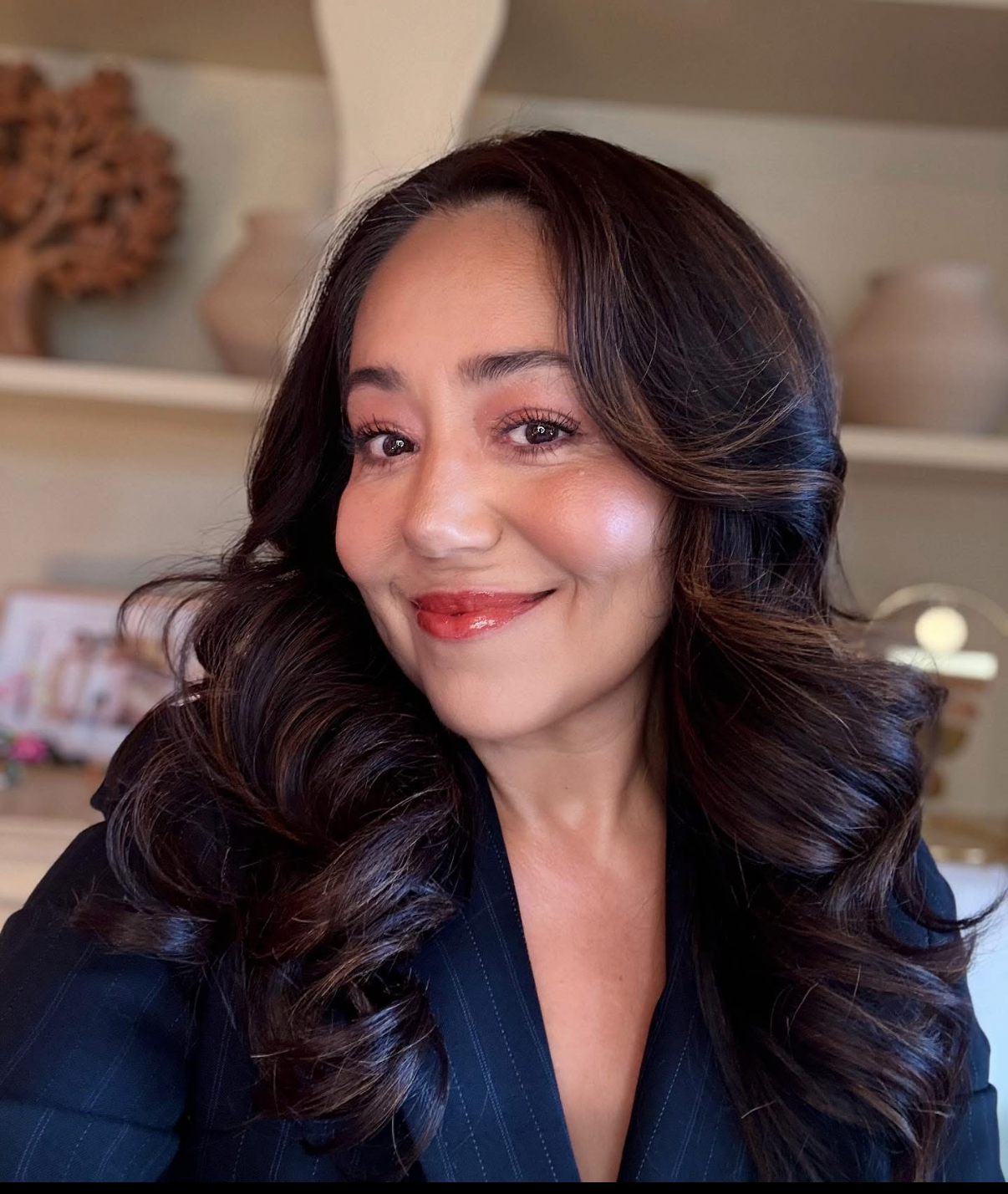
[00:00]
Welcome to Work Unscripted. I'm your host, Savan, and today I've got my good friend, the retired general, Jerry Glavey. General, how are you?
Great, man, thanks for having me, brother.
I appreciate it, man, and I appreciate you. You know, the thing that I love most about us both now not being directly at the Pentagon is we can sit down and have more of these casual conversations and catch up. And I just find that fascinating because we were never able to do this while we were working because there were so many things going on.
No, you're right. In that crazy five-sided building, you're heads down just trying to get stuff done and make things happen for our young men and women out there. ⁓ that's a very important task, but certainly one that takes all your concentration and all your time. So you are so right.
Yeah. Yeah, no, it's crazy, it's crazy. But today's conversation is about you, my friend, and I'm so excited to dive into this because you've got so many things you've done in your life, and it's sort of the epitome of what this show is about and why I started this show, is to maybe give the listeners a little peek behind the scenes of the things that incredible people do throughout their career. But I want to start...
Hahaha!
by asking you a question about when you were flying around the President of the United States. Is that true? Is that a fact?
Heck yeah, great job.
Alright, what was it like to fly Marine, was it Marine One, is that correct? my, is my, okay. What was it like to fly Marine One and to have the most powerful man in the world sitting behind you or in front of you, I don't know, I don't know, I don't know the layout of it, but what did that teach you about pressure? Like how did you, how did you handle that?
It is behind us. Yeah, that was a great tour by the way. It's a great way to start this conversation. I will tell you, just take a step back. It is amazing squadron. The young men and women that make that happen is obviously it's a zero trust or zero defect environment. We gotta be on the top of our game all the time. ThreeCore very much sources it to the right level, gives us what we need.
Right. Yeah.
to be successful and then it's just a matter of execution. It's a very professional ⁓ squadron, just like every other unit of course, but ⁓ sorry about that.
no worries. We can always edit all these things out. That's the great thing about it.
Okay, so the Marine Corps takes great care of us at that squadron. A lot of important things happen there. But essentially, the airplanes, all the helicopters are impeccably maintained. All the right supply level of parts and things that gotta happen to make them always ready. Those types of investments are made. And then it's just a matter of execution. Everything we did in that squadron had a very detailed plan, a detailed brief, had a detailed rehearsal, and then of course, ⁓ execution. And then post mission, we always had a debrief to talk about it. So flying around the president, ⁓ you know, I was so fortunate. They are such gentlemen and so good to the Marines. so, you know, personally, so good to me that the pressure was just, hey, do your job pressure and do it well.
Mm-hmm.
But just like anything else you do in the Marine Corps, whether it's flying around 19 year old Marine Lance corporals to the most heinous places in the world or flying President of the United States to some of most amazing places in the world, you know, got to do your job. And that was the pressure. And, you know, we were prepared. We rehearsed everything, had mission ready aircraft ready to go, great Marines that made it so. And so very fortunate it was. an amazing job and I treasure it to this day.
Yeah, that's incredible. Was there a single instance or episode that stands out more than others while you were doing this?
So there's certainly a couple I got to, well, not that I want to do a whole lot of sea stories, ⁓ but luckily, yeah, no, and luckily, you know, there was no drama. So drama is always not a good thing. know, we went out there, did our job and, you know, to try to make sure the Marines were focused on the right things. But of all the things, I think just personally, you know, getting to fly the President into Buckingham Palace.
Hahaha! I want to hear them. Right.
⁓ That was a pretty amazing ⁓ event, one that I will never forget. Taking him to any of the military bases was also very special where he went quite often. Flying in and out of New York into JFK and then over to the Wall Street pad, ⁓ pretty amazing. Chicago's always a great event too. mean, they're all, you you're flying all over America, all over the world. Got to fly him down in Rio de Janeiro to
Mmm. Wow.
Palais were his very first professional club that he belonged to. They were doing an event there. And so got to fly him and, you know, there was a series of events we did that whole couple of days, but that was a pretty special one. ⁓ but a lot of ⁓ neat opportunities and yeah, so fortunate to be part of that mission and the presidents were fantastic to me.
Yeah, that's incredible. I don't even know what that would be like. ⁓ I want to maybe talk a little bit about ⁓ the span and the variety of your career. So you went from flying the president of the United States to then commanding cyber and space operations. Now, many people won't be able to make that connection between the two because you're like, OK, how do you go from like point A to point B? That's definitely not a straight line. ⁓ How did you do that, first of all, but second, how did that change your own identity and how you established yourself? Because the responsibilities of both are pretty great, but the way you carry yourself are probably a little bit different. ⁓ How do you identify yourself as your role has shifted?
Yeah, so I've been so lucky throughout my career. I never really thought through much of it to be quite honest. It was more opportunity based where the opportunity was. I tried to put myself there. I'll be honest with you. So, I was a systems engineer at the Naval Academy. Not that that means a lot, but did a lot of coding for Tran and.
Yeah. Yeah.
and some of all the basic start myth and all the different basic languages and machine language did a lot of back in the day, a lot of machine language coding. So yeah, so I had a little bit of that. The other thing that was influential, I had an opportunity to work in the J39 of the joint staff. And that's where a lot of the information warfare capabilities resided. And cyber was one of them, especially at the early stages.
Yeah. I love that you get me fired up
General Cartwright, Haas Cartwright, I don't know if that rings a bell, but he was the vice chairman at the time I was there and he had come over from STRATCOM, Strategic Command. He was a Marine Hornet pilot, ⁓ into STRATCOM commander and then ultimately into the vice chairman. But he was going in this direction pretty fast. I he was the first, not the first one, but certainly the one to articulate the PRC challenge that we have to start preparing for.
Mm-hmm. Yes. Yes.
⁓ And so he started putting the department in that direction, but cyber. So he created what was called Joint Force Component Command Cyber, excuse me, ⁓ network warfare, JFCC network warfare, which was the precursor to cyber command. He dual-hatted the director of NSA, ⁓ General Alexander at the time.
Okay. okay.
as the initial commander of JFCC network warfare. so anyway, I tell you this, because I got to be around him when he was doing all these things and coming on as the vice chairman and he was focused on the PRC. So I was a brand new one star. I was up in the Pentagon as the assistant deputy common offer aviation. Aviation was very natural for me. I haven't spent the vast majority of my career there. And so instead of going I-95 south down to Camp Lejeune or another Marine base for another tour, I ended up going I-95 north to Fort Meade, Maryland. And my boss at the time was ⁓ a gentleman by the name of General Rooster Schmidl. And Rooster was the deputy commander at Cyber Command. And I understand this from my background and maybe... ⁓
Yeah. Right. ⁓ yeah.
you know, some of the opportunities again, he really pointed me in that direction. ⁓ Dog Davis, another General Dog Davis was another guy that came from Cyber Command and really pushed me in that direction. So, it was just, you know, very, very fortunate, right place, right time, people, both influencing me and then steering me in the right direction. So,
Right.
[10:01]
I end up at Fort Meade and it changed my life without a doubt for the better. And really, this sense of learning and being a lifelong learner really came into play because boy, did I ever have to learn. And it was a pretty steep ⁓ hill to climb. But again, one I'm so fortunate to have been around.
Mm-hmm. Yeah, I mean, it's so interesting to me the path we choose and how we choose it because the path you chose, especially going from something that you were intimately aware of, this world of aviation and flying, to then essentially taking the hardest path and learning the most amount of things and going into cyberspace and leading up teams there. Like, how much of that was just... the passion for the technology and this wide open space of challenges and how much of that was just like, okay, this is something that I feel like I need to do because it probably has the most amount of opportunities in front of me. ⁓ Because I'm always interested in how people choose a path that has more resistance versus the easiest path, which sometimes might seem like the right path, but maybe it's not the best for you in the long term.
Yeah, and if there are any qualities that served me well, it's ⁓ this idea of being around people that are smarter than me and walking into the security agency, US Cyber Command, just around some amazing people, some of our best and brightest, and diving into things that I didn't know that much about, to be quite honest, some technical background, but that was a long time ago.
Yeah, I love that.
And then every meeting I went to, preparation for every brief and everything you can imagine just required my complete and utter attention, right? To make sure I knew what I needed to know. And I was in this learning mode almost continuously and being around, like I said, these great people who had the patience, took the time. You know, I had no problem keeping my mouth shut, right? you know, taking it all in.
Mm-hmm. Mm-hmm.
So it was about learning. It was about learning something that I certainly had an inclination for, you know, as part of my background. But with that said, boy, it was a steep learning curve and I was so lucky to be around great people and it was an active mission. I mean, we had challenges. You know, I was there with Admiral Gilde, the future CNO, and of course, General Paul Nakasone.
Yeah. Yeah.
You know, the future cyber command commander was ⁓ the Cyber National Mission Force. There were some great, great ⁓ Marines and sailors and airmen and soldiers. Tim Hawk, you know, came on to take over part of the JTF Ares mission. Anyway, it was just a great group. I was lucky to be there and there's a lot of smart people, man. So I was always learning. It was a, it was a master's degree, probably a PhD. You know, I spent five years up there total, so.
Yeah. Yeah. Yeah.
Maybe I should put in for that too.
Yeah, right. General, I want to ask you something that is one of the things that I've always wondered about, especially in the military and ⁓ the idea of leadership. You don't get to be a general without great quality leadership qualities in some capacity. The thing that I want to know is you've spent being a leader at the intersection of cyberspace. ⁓ And the enemy in cyberspace is largely invisible, right? They're not in front of you, you can't see them, you don't sort of have a feeling of what that looks like. How do you lead people through ⁓ situations where you can't see the enemy? Like psychologically, the... ability to position yourself to be effective in that type of warfare has to be somewhat different. How do you get people to give 110 % and lead them through situations where maybe you're getting hacked and something's compromised and that can lead to disastrous things? What are some of the tips that Jerry Glavey has that you could bestow upon me so I am better educated on how to do this?
You know how to do it already. ⁓ so I think first and foremost, ⁓ you know, people are part of something because they want to be successful. I just I start there that I think everybody shows up right there, part of a team, Marine Corps, whatever it may be. Right. And and they have this goal that they want to be successful, whatever it is. And and so if you start like, you know, that's where I always started.
Yeah, yes. Right, right.
And then from there, of course, there's so many facets to that, know, personal wellbeing, right? We gotta make sure, you know, all the things, dignity and respect, everything's in place, right? You have the right culture in place that affords people, all that foundational things that are important in order to be successful. But then I really think, and this is I always appreciated certainly as a...
Right.
So when I was being led by a great leader, guys like Paul Nakasone and ⁓ Admiral Gilday was, ⁓ you know, challenge me, right? So, you know, you have great people, they wanna be successful. You have to challenge them without a doubt. you know, it's not, know, always, you know, the nice guys, he's such a nice guy. You know, I always kind of cringe when I hear that, right?
Yeah. Yeah.
But there's nothing wrong with being a nice guy, by the way. But there's this idea that you want to challenge them, right? And then when you do challenge them, you want to make sure they have all the tools for success, right? Have you given them or provided them or ⁓ made available to them those things that are required to do their mission? And certainly there's so many other variables there. But I think any
Mm-hmm.
new space you go, especially as a senior leader, you get more and more senior, right? People are part of your team. You know, what is the vision for success? What do we, you know, and for me, whether it was working for General Nakasone at your cyber command, you know, it was taking his vision, right? Putting on top of my mission and making sure everybody knew this is where we gotta go, right? This is success is executing ⁓ really in this case with the commander, commander's intent.
Right? Mm-hmm.
And I can take that every echelon that I worked with, you know, when I was up at Headquarters Marine Corps working for the 38th and 39th Commandant, you know, what does the Commandant need to do or want the Marine Corps to do to make sure that the nation's even more secure? And now putting those things into practical objectives and, you know, missions and other things are important and part of what I need to do. And then making sure that all that dignity and respect, the right cultures in place, right? The ability to lifelong learning, the ability to ask the right questions, full access to me. I always thought that was so, so important. then, you know, challenging people as well, that, we're gonna do this, right? We're gonna get this done. We got some deadlines to meet, right? We got a mission that the commander wants us to have done. And he gives us the five W's that we're often running. And then ultimately, you know, making sure that they have what they need to be successful from a capability standpoint. Anyway, all those things I think are important. ⁓ But I think more so than anything, if I get, know, people, I mean, the assumption is as a leader that the people that are there around you, right, they want to be successful. Back to you, how do you make them successful? And those answers could be a little different. on where you are, but I think that is, you know, that's a win for the organization. I think it's a win for the people. And certainly just from as a leader standpoint, I think it's an effective model to look at.
Mm-hmm. Yeah, I love that answer. one of the most frustrating parts, I loved my time working in the DOD, in the DOW. ⁓ But the most frustrating part of that was you heard from your team the things that they needed to be successful. And it was so damn hard sometimes to get them the right tools or get them the right processes put into place. or just to get them the right technology, right? Like to be able to do the things that you know that they can do and that they need to do. ⁓ My question to you, General, is when you're put against situations like that, and I think I know the answer, but I'd love to hear from you, ⁓ how do you keep the teams motivated, especially at that high level, to be like, understand we've got these constraints, whether it's technology, people, process, money, whatever. However, there's still that mission we need to go and do. How do you keep them motivated to keep pushing through to be successful?
Yeah, so that happens so often. I know me and you both have run into this numerous times in our careers, but ⁓ you know, they expect you to do your job to the best of your ability. So, you know, we're at an impediment. ⁓ What do we do next? Hey, Matt, you know, as a three-star working for the Commandant, let's say of the Marine Corps, hey, let me go talk to the Commandant. Let me go interact with my boss to make sure he understands the challenges that we have. And same thing with, you know, U.S. Cyber Command with General Nakasone. I mean, it's just, you gotta demonstrate your ability to roll up your sleeves to do your part of the work. And I used to tell them, my job is obstacle removal, right? Your path for success, your journey for success, right? I have to make sure that I've moved as many obstacles as possible.
[20:43]
Mm-hmm.
And sometimes we've got to go around the obstacles too, right? But as long as there is an honest effort, a strong effort to make sure that we can do everything we can do, even working with DOD CIO, going to meetings and talking about the challenges of, we want to build the IL-6 environment in SIPR, the Marine Corps is ready to move out and making sure that they understand everything.
Yep. Yeah.
And hey, do you need another brief, sir? Do we need to come and talk more? I'll talk to the folks, great folks at DISSA, right? And do it just as an example, but so important that we ⁓ kinda as leaders, just do our jobs to the best of our ability. And our job for me in this case was obstacle removal. And ⁓ if not,
Yeah.
how do we go around the obstacle is another part of the job. But I think they wanna see you working hard as well. And that's my job. That was our job is to again, back to make them successful, back to providing the capabilities required, doing the best to our ability to do that.
Yeah, yeah, I love that. And the thing that I actually really loved about working ⁓ in the department was that's very different from working in the private sector is the structure of ⁓ influence and hierarchy is very clear. Like you knew that your boss had certain ⁓ responsibilities to the organization and you knew you could entrust them to do certain things. And that structure is very, very clear, unlike In the private industry, sometimes it's flat. You don't know sort of like who's moving the needle or doing things. But in the DOD, the mode of communication and how things get delivered is very clear. And I think in many ways it helps expedite a lot of the things that we need to do, especially if it's during times of crisis, right? Like where you're like, I need to get to the boss. How do I do that? Okay, Sarah ma'am, here's the people you need to talk to. And eventually these are the steps and like it's... like for the most part documented exceptionally well. Whereas if you were to go to, just say like a flat organization like a Airbnb or something like that, it's a little bit harder to figure out sort of how the needle's being moved ⁓ in many ways. ⁓ General, I want to ask you in that spirit, ⁓ as you are sort of looking at ⁓ the transition from ⁓ the department and now into the civilian world, what are some things that you think ⁓ you could take from the DOD and apply effectively into the civilian world? Because I've talked to lot of vets, and one of the things they've asked me is, you know, what skills are transferable? How do I actually take the things I've learned and experienced and then apply that to these opportunities in front of me? In your opinion, what are some of those? great skills and great experiences that you can apply.
Yeah, so, ⁓ and just taking a step back on that. So one of the things that I've been working on since I did transition is a ⁓ 501C3 ⁓ team called AI Ready Veteran. And AI Ready Veteran, just like the name sounds, it's an opportunity for our transitioning service members, 200,000 per year are getting out. And ⁓ like you said, so for instance, ⁓ Boson's Mate third-class glavis getting out.
Yeah. Okay, yes, let's hear it.
going to transition Jacksonville, Florida. ⁓ What does Boson's Mate Third Class Glavy do, right? How do you put that together? And so AI Ready Veteran is just exactly that. It's an AI platform where it takes things like, you know, what a Boson's Mate is. And they're all pre-tuned prompts. So you don't have to necessarily be an, you know, AI. ⁓
Right, right. Yes.
aficionado, though more and more of our young men and women are that, but it's just basically a pre-tuned platform for Glavie to show up and say, you know, I need a job, I need a resume, I need to understand ⁓ position descriptions, I need to do LinkedIn, I need to know how to go and interview, I need to do salary negotiations, I need an elevator pitch, you know, all these classic things that transitioning service members.
Right? Yeah.
So for instance, what are all those traits that a Boces Mate third class has that and then how does it transition into civilian jobs and even specifically in the Jacksonville, Florida area if that's where Boces Mate third class could be. The power of AI cuts through a lot of that and you know can really get people started, right? Get them going, get the mojo going so they, you where do I start? What do I do? How do I do this?
video. Mm-hmm.
And so that's just a unique capability, a little more scientific than ladies experience. ⁓ But, you know, and then, so to your question, you know, part of, you know, the transition for me and trying to help companies is understanding, you know, one, where are they trying to go? Where, back to your objectives, back to your missions, what's the game plan?
Yeah.
that you're using and then from a lot of the practical experience that we have, and especially if it's dealing with the department, ⁓ how one goes about doing that. And ⁓ especially if you're go and engage in the department, as you know, you've done this and done it so well that you've gotta go in there ready to make the right pitch to answer the right questions. or to solve the right problems ⁓ that you're trying to do. And anything less than that is truly wasting people's time. So I think there's a sense of to do that, right? You gotta listen, right? You gotta really maybe talk a little less than perhaps you're used to, but really understanding what they're trying to do. Let them, the industry partners,
Right.
provide some of their insight, some of the things that they're thinking about, and then being able to take that in an effective manner, how this relates to, in this case, if it's Department of War business or whatever, maybe how that works for them or the Cyber Command or the Marine Corps or any other organization that I've been a part of that the partner wants to be able to engage with. So I think it's taking a step back and and really being in this listening mode. ⁓ I also, think there's a very fine line of being, ⁓ how can I say it, being very supportive and then ⁓ being very objective, right? ⁓ You know, trying to make sure, hey, is this the right thing? Hey man, you may have the wrong widget. You may have, you know, there are certain things that this is how, you know, things are done. You know, this looks like a great piece of gear, but
Mm-hmm. Yes. Yes.
you know, perhaps not gonna be used or needed in the way that you're so providing it. you know, there's just a fine line, right? Cause you don't wanna tell anybody that their baby's ugly, but you really gotta be able to be objective with the objective side of it being that, you know, everything can get better and so forth. it's really been eye-opening and, you know, ⁓
Yes. Yeah. Yes.
you know, trying to immerse myself in the challenges that industry has, like, wow, that's really a hard problem. ⁓ you know, taking it on board and even doing my own research, my own understanding of it to provide something back that may push the needle or not. ⁓ Yeah, so there's a lot of instances of, you know, things that I've been able to reach back on in my Marine Corps career and be able to apply to a situation.
Mm-hmm.
some of it's HMX stuff, Deon in airspace and things like that. But yeah, there's so many things and I don't think we always know what they are until the situation presents itself. And then you're able to take it all in, provide, and again, listen twice as much as you speak sometimes and making sure that you can be value proposition. Because at the end of the day, you wanna be value added.
Nope. Mm-hmm.
And that's the goal is being, you know, I'm not there to be the CEO or the president of the company. I'm there advising or consulting or giving insight, but not the business of making decisions, but rather, you know, provide an options, provide an insight for possible decisions to be had. You know, one of the neat things that I always thought was impactful as a Marine, as a senior leader is lawyers. as you get more and more senior, lawyers are part of your job. They are very much everything you do. And the neat things about lawyers is they're not there to make decisions for you. So many times that you deal with awesome people, right? Because most of them are type A, right? They wanna make the decision for you. And they feel so strongly about it because they've done so much research.
[30:25]
love it. Yes! Yeah.
they're trying to instill on you the importance and impact, all good, by the way, all, and we very much need that. But lawyers don't do that. Lawyers have this logic train, right? They take you down a logical flow of whatever it is you're going to make the decision on. And they probably know what side of the decision they want you on, but they take you in this very logical progression, right? That leads you to...
No. Yep. Yes.
perhaps the decision that they wanted. So I think that's really important. So sometimes that's good being a good staff officer is not making decision for people, but really providing the logic, the foundation of the decision that has to be made. And certainly if someone says, hey, what would you do? Now you're ready for that too. But I think, you know, most leaders, right, they're gonna, you their job is to make decisions and they wanna understand the decision that they have to make.
Yeah. Yeah. Right.
more so from a logic standpoint than just kind of, here's the answer and there's no other possibilities here except that answer.
Yeah, I love that. You know, when I was at Defense Digital Service, that was the first time I was able to work ⁓ with a lawyer directly on team. So when I was there, Phil Raymond, who also was on the show, he was our in-house counsel at DDS and then Brock came on later on. And what was amazing to me as you're telling this story about having them both there, was one, they always kept me out of jail. So I'm thankful for that. I didn't do anything illegal for the record. So that's all good. But the second part was, know, their position was we will get you as much information as we can about the thing that you want to do and we'll give it to you in as objective way as possible. But at the end of the day, if you're the one leading the mission and you're the one doing it, you're gonna be the one who makes the call. However, Here's sort of like what's in front of you. And that was the first time ever where I've had a resource like that, an in-house lawyer, to be able to ⁓ give it to me straight, but also at the same time, knew sort of like where the levers were in terms of the people that could make the decisions of whatever that mission was. I mean, I can't tell you how many times it came in handy when we were supporting ⁓ Allies Refuge during Afghanistan. And it was immensely stressful, but just having the people there that can process that information so quickly, but also at the same time, you knew sort of like, well, it was at stake every time you waited another two days or another hour even. it's one of those things you don't really get in the private sector unless you're probably at the higher echelon where you have somebody like that in front of you. But the way they're trained is so exceptionally good. ⁓ and I actually miss it because every day I've got legal questions that I don't have a lawyer sitting in my house to help me out. ⁓ General, I want to maybe take it a click back because we've talked about all these amazing things you've done now. We've talked about ⁓ your nonprofit, which we'll close with as well, but I want to go back to... your childhood and how did your upbringing forge you into the person you are now? Where did you grow up? Where did you go to high school?
Yeah, so Buffalo, New York is where I was born and yeah, and I'm a huge Bill stan. Yeah, haven't been too successful as far as Super Bowls go, but that'll change this year. That'll change. Yeah. ⁓ Yeah, Seahawks did okay, didn't they? ⁓ So very lucky, ⁓ classic, you everybody says this, but really classic middle-class. My parents are,
wow, are you a Bills fan? Okay, okay, okay, okay. Yes. Will it? Not if the Seahawks have anything to say. Yeah.
you know, first generation Irish Catholic Americans. My grandfather who was from the county, Kerry, he lived with us the first 16 years of my life, you know, said the prayers in Gaelic at night. Just a wonderful man, know, he came into the house, he had a heart attack. And so I don't know what my mom and dad were thinking, but hey, he's probably not gonna last that long, but for the next 16 years, he was there with me.
Wow. Wow.
the whole time. So I had three brothers and sisters, so relatively ⁓ big, classic middle class family and ⁓ just middle class things, right? And didn't have too much of anything. My parents did send us to private Catholic school, so that made a big impact on my life. ⁓
You
And it was just, my dad was a telephone man and you know, he worked hard and he worked a lot of late shifts and ⁓ weird hours, always, you know, trying to, wherever the money was. So it was a, you know, different ⁓ upbringing from, think, what we experienced today, but probably the last of the true middle class, you know, neither one of them went to college.
Yeah. Yeah.
that's all they wanted their children to do is be better than them. And then a lot of traditions in the house, especially when it comes to the Irish and being Catholic as well. those things were very impactful and part of the family that we grew up in. And all of us kids were about within a few years of each other. And so we're around...
Yeah.
together a lot. it was, I was so lucky. Didn't have a lot, but didn't need a lot. And, you know, my mom and dad were pretty, pretty amazing people still alive to this day. You know, they're 94, 94, 93. It's, it's crazy. Yeah. Yeah. Good genes, hopefully. But, uh, you know, they're born and they were born in the teeth of depression. I mean, they knew what hard was. And so they, they just, they, they were, you know, taught us all the important things.
Yeah. Wow! Let's go, Mom and Dad. Sheesh.
⁓ discipline and, you know, having perseverance and then most importantly, you know, love. They were very loving, but life wasn't easy and wasn't supposed to be and ⁓ they made sure we were ready for what was gonna go on, you know, in the world as we grew up. So very lucky, very fortunate, very blessed. So ⁓ I'm glad you asked. Thanks. Thanks.
Right? Yeah. That's amazing. Was your house one of those chaotic houses with a ton of energy flowing through it from sun up to sun down or was it like a little bit more calm than that?
So we weren't in the house a lot back then. I'll be honest with you. We wake up, obviously going to school. We did school. We always did some type of sport after school, always. ⁓ And then, I was very to below average basketball player, but I loved basketball. I loved it. But I played little football.
⁓ sweet! Yeah. What was yours for? Me too. Yeah.
realized I wasn't gonna get big enough for that. And then I did a lot of cross country and track, certainly in high school. And hockey, hockey was big and we loved hockey and we played a lot of hockey. So, but we didn't, we weren't in the house. were outside a lot, even during the winter sledding or my dad built a rink in our backyard every year, know, complete with the boards and everything and had lights up there. He's a telephone man. So, he knew his way around electricity pretty well.
WHA- Holy smokes!
So we'd all the neighborhood kids would come over to our house and we'd be skating from after school till bedtime. it was a great, growing up, a great, great, great experience. So pretty lucky. And then in the summer, heck, you got out of bed, maybe you had breakfast, maybe you didn't. And then you went hauling through the neighborhood. And I think the only rule was we had to be home when my dad came home for dinner. That was probably the only hard,
man. Yeah. Uh-huh.
core rule and but we pretty much, yeah, we were all over the place. A little different than it is today and you know, yeah, yeah, so, but I wouldn't trade it for anything and we did some crazy stuff, probably some not so smart stuff, but we had a heck of a time doing it and had some great friendships and I wouldn't trade it for anything.
Absolutely. I just pictured the little rascals and you as a little kid running around, man. Is that right?
[40:00]
That's not bad, not bad, ⁓ not bad. Somewhere close, you know, and we were always playing sports. It was some pickup, we made everything a sport to begin with, but either some pickup game we played and, you know, or we got on our bikes and we would just bike to who knows where. it was ⁓ quite an adventure. you know, we didn't have time to sit around and feel sorry for ourselves. We went out and just did stuff and.
Okay. Yeah. Right?
It was good. think it helped me prepare to be a Marine and teaches some, teaches your resiliency, I think in some respects, right? There's no one, someone's not always gonna be there. You gotta kinda, you know, make sure you take care of yourself too. So I think that was important.
Right? Gosh, that's amazing. did you do anything after high school? Did go straight to the Marines? Like what did that look like?
So ⁓ I went to the Naval Academy Prep School initially. So that was a year up in Newport, Rhode Island, then to the Naval Academy, four years at the Naval Academy. And that was just a great experience. I was so lucky. was a halfway decent runner, you know, after all that, the cross country and track thing, that I had an opportunity to go ⁓ to ⁓ the prep school and then to Navy because of running probably a Hopefully I was smart enough to, but a little bit of both. But it ⁓ was a great experience and an opportunity that, so grateful for, it wasn't easy, right? That was a pretty tough track, pretty intense environments all of them were. ⁓ But again, I was so lucky and so fortunate to be part of that. A lot of great people, again in my life as I go through all that great friends to this day, but leaders.
Hahaha. Yeah.
Believe it or not, when I was at the Naval Academy Prep School, General Mattis was our company officer. Major Mattis, Major Mattis. So how lucky am I, right? So everywhere I go, I've had these incredible leaders that have made an impact on my life. But he was a force of nature and just the ultimate leader and ultimate Marine even back then as a major. I was very fortunate, very lucky.
No way.
And then after the Naval Academy, of course, I joined the Marine Corps. ⁓ Second Lieutenant, go to the basic school, then off to flight school after.
Right? Wow, that's amazing. mean, just the amount, the thing that inspires me most about the military is you are exposed to such diverse people ⁓ with varying degrees of leadership styles and you can pick and choose which one resonates with you, right? And the thing that sort of inspires you to do better. As a young adult, and this is probably, I'm thinking, you you're in your, either 18, 19 to your mid 20s, what were some of the most influential things for you during that time, whether it's people or situations or things like that happening around the world?
Well, being a Marine, first going to the Naval Academy, being successful through the Naval Academy. I was an engineer, so that was pretty challenging as well. But being successful at the Naval Academy, becoming a United States Marine, which I didn't come to right away. Through my time in the Naval Academy, back to what you mentioned, there's people that influence you. And I had really a great
Right?
boss, he was a Marine and I made a decision, that's what I want to do. I want to be like that, be like him. So that really drove me to the Marine Corps. But I think there's this, I've always played team sports. I know this is going to sound crazy, but I thought I've always had this, I got to be part of a team, Even, and I wasn't necessarily very good. I think that's important, but just being part of a team. played little loop football.
Mm-hmm. Yeah.
and I mentioned that earlier, but I was on a team we were undefeated and unscored upon, right? And this is a big deal, you know, up upstate, up in New York, you know, big deal. And we were powerhouse. I barely played, but it was one of the most impactful experiences of my life being part of that team. then the next year I played a lot more, but you know, and we weren't quite as good. And I don't think it was as impactful. So being part of a team.
Yeah. yeah. Awesome. Yeah.
but mostly being part of a good team. And I think that's what I've always, even the leadership opportunities I've had, I've always used this idea of being on a team, being on a good team, a team that wins. And it's not everything, but damn, it's sure damn close to everything. And I've been fortunate, whether it was at the Naval Academy, or, know, hey, being a Marine, was coming on the, it was, maybe there was a few seals, a few opportunities, but not many.
Right. Right.
But being a Marine was the hardest thing I thought I could do coming out of the Naval Academy. So that was part of it. And the Corps is the ultimate team. And so I think that drove me during that time in my life that I've always wanted to be part of something. And I didn't necessarily need to be the star of anything. always never, but whatever role I had, I didn't obviously want to be in fact, but I wanted to win. I knew that. I knew that from the start. I wanted to win.
All right. yeah, yeah, yeah, yeah. I love that. I love the competitive spirit there. ⁓ How did you pick the Marines? That's the one thing I always ask. I've got a bunch of friends that I grew up with ⁓ in high school and then I've met a bunch of friends over the years. I've always asked them, how did you choose?
Hahaha!
you know, wherever you'd end up serving. For you, what was about the Marines that stood out that said, I'm going to enlist and I'm going to commit the rest of my life to this organization?
Yeah, so my senior year at the Naval Academy, you know, you serve a selection time and I'll be honest with you, I wasn't quite sure, you know, what I was going to do. yeah. And again, I had this company officer, name was Tony Verducci, ⁓ neat guy, really, you know, just he's a Marine's Marine. And, and he just, you know, just spent a little time talking with me about it, you know, pointing me in some directions. And I just really liked how he carried himself.
Yeah.
how he treated others. ⁓ so, yeah, wanted to do that. That's what I wanted to do. again, through service selection and based on availability, your class rank, you basically go down to...
Right.
the down to the area where they do all this and Gleavy comes up, Gleavy's next in line and literally you show up to the desk and you tell them what you want to do. It's quite different now, but back in the day and they had the local Naval Academy radio station going. Next up is Jerry Gleavy. Hey, Jerry, what are you gonna do? Right? And so, yeah. So anyway, it was fun. It was great.
⁓ man. Wow, I didn't know that. That's crazy.
but he had a big impact on my life. At that point, when things start getting serious, like what am I going to do? And I point to Tony and I point to this other thing about being part of a team, in this case, a very challenging team, right? I knew life wasn't gonna get any easier ⁓ being a Marine. It was only gonna get more challenging, but certainly it was so worthwhile and it made all the difference. What could I say? And I mean, it just changed me and just... ⁓
Yeah. Yeah.
so impactful and ⁓ I think it's the road less traveled, I think the whole military is, but certainly ⁓ the Marine Corps has this uniqueness to it. So I wanted that challenge and ⁓ I was so, so fortunate ⁓ to be successful thanks to a lot of incredible young men and women and ⁓ Marines I got to lead.
Yeah. Gosh, you're telling these stories and the thing that stands out to me, especially about how you're framing all this is the impact that individuals have. You talked about Tony and then you talked about... Mattis back in the day, younger Mattis before he went and did amazing things. He also talked about General Nakasone. There's individuals that have really shaped your life versus sometimes I hear about people say, I got inspired by this movement or I got inspired by these things that I've read or a book. But for you, it's individual people. ⁓ What are some of the things that these people ⁓ have that make you say, want to do that? And what can you maybe tell the listeners about some of those things that they could potentially take into whatever situation they're in, especially if they're at this crossroads?
Yeah, so you nailed it. So I've been so fortunate, you know, starting with my dad, right? He was always impactful. ⁓ And then, you know, in high school, I had a cross country coach and he was really impactful, you know, really kind of guided me towards the Naval Academy and made me a better runner, made me competitive. I was pretty average on my best day, but really impactful. I mentioned, you know, Tony Verducci, I could go on and on and...
Yeah. Yeah. Yeah.
and there were commanders throughout my career. I, so one thing that I always recognize is, especially when people engage me, one, I wanna be engaged, right? So as a senior leader, whatever it was, as an officer with the Marines and sailors, whatever it was, like, hey, come to me if you need something, you wanna talk about something, you want mentorship, you want my insight, whatever I can do to help. I always, because I, I did that with some of these very impactful people in my life and it made all the difference and they responded to it. That was the key. Me engaging, asking questions, hey, I wanna do this or I wanna get better, what can I do? But engaging them and them responding, that's the key. And so I'm always sensitive to that. When someone asks me,
[50:32]
Mm-hmm.
And you know, I get it all the time now, especially on LinkedIn, hey, sir, you got time, can we talk? And man, absolutely do I have time and you know, put in the schedule and then you want to do it, absolutely. And whatever I can do, whatever knowledge and experience that I can bestow on them, you know, all day long, I'll do my best. And especially, you know, on active duty as well. And there are those that, you know, that really want that.
Yeah. Yeah.
Everybody, it's available to everybody. I certainly, you know, but, you know, I was that guy that needed some of that, right? And so I went to people and they responded. I'm so lucky. You know, I think about it now, even these guys are great. Paul Nakasone has been so good to me, especially as I retired, right? And I'm going down to Vanderbilt here in a few weeks and, know, and Mike Il-Day at...
Yeah. Yeah. You gonna go go go see Brett? Are you seeing Brett over there? Yes! Give him hug for me. Yeah.
I am seeing Brett, I love Brett. He's another guy. There's another one that's really been so impactful for me, especially at Mar-4 Cyber. So I've been in contact with Brett quite a bit and he's super, you know, just these amazing people. So one, I engage them, but most importantly, they responded. Those relationships then can take hold. And so I'm sensitive to it from now the other side, from the leadership side, that when people engage me, I wanna be responsive.
Yeah.
And wherever that goes, we don't have to force it, but wherever it goes, I wanna be able to help as best I can. I don't have all the answers, but certainly, talking things out, providing some direction, aim points, stuff like that. But I think that's important, because it's so helped me that I'm very sensitive to helping others in similar situations.
Yes, I love that. Yeah. Gosh, I love that. This is Savannah's hot take. I'd love to get your take on this, General Glavy. This is Savannah's hot take. I could be completely off base. So tell me if I'm full of shit. ⁓ Here's my hot take. Before I interviewed you, I interviewed a gentleman by the name of Nate Sexton. Nate Sexton, for those that don't know, is arguably one of the best disc golfers in the world, not by ranking, but by... his ability to have changed the sport that is the second fastest growing sport in all of America. And ⁓ when I was talking to him, said, know, ⁓ Nate, you have this tour going on, you're doing commentating, you've got these sponsors, you've got all these fans that line up to want to get your autograph. Why do you say yes to things? Like when I sent you a message, why did you say yes to me? Nobody knows about this podcast. Nobody knows me from a hole in the wall. Like, why did you do that? And he said, you know, like for him, it's just sort of part of ⁓ the job. It's part of, you know, how he's been groomed to not just play the sport, but also represent the sport. And ⁓ he's done that consistently for decades now. And I feel like there are certain people that naturally have that ability because it could be because of their mama, it could be because their dad, right, as their upbringing or their brothers or sisters. But I just feel like some people are exceptionally good at giving back and exceptionally good about making sure that the people around them, whether they're strangers that they haven't met yet or people they know intimately, are growing and learning more because they're there. And I wonder How do we get people to be like that more? And how do we sort of like start to push that out so that the world in general is more giving than taking?
great hot take and you probably know this, but it's almost counterculture because so many people now say that the most important thing you need to do to be successful is to say no. okay, I got it, right? Because now I'm distracting myself or whatever. I say yes all the time. The hardest thing, when I was in...
Yeah. Yeah. Yeah.
you know, as a general officer, you get a lot of invitations to go speak or to be part of things and to do this. And my proclivity, not 100%, but I wanted to say yes, especially if it was close by, can we fit it in? Can I go this boom, boom? And can I help? I doing something that, you know, I mean, you know, so I try, I probably say yes too much, but I like yes. You know, I have just something I'm call a Marine tonight, right? This Marine. He's a captain in the Marine Corps, wonderful. He's actually at the Marine Corps Warfighting Lab, just awesome. He's helping out a second lieutenant try to figure out career path wise, opportunity to go to grad school. Anyway, doesn't matter. And this Marine is taking time out of his incredibly busy day, one, to engage me to say, sir, do you have time? Can you talk with me about this? Because I want to make sure I don't give this second lieutenant.
Right.
you know, a bad, a you know, bad gouge, bad advice. But, but the fact, and I told him, I said of all the things, the fact that you said yes to that Marine, to help them, to give them some of your time, to talk about some tough decisions, like it's so easy to say no, no is no, no, we're done, right? Done, right? Yes, yes is hard, man. Like yes is like, oh, there's gonna be a phone call, maybe a phone call after that or something I gotta do and so, but you know what?
Yeah. Yeah. Right? Yeah. Yeah. Yeah.
Yes is beautiful. And I'm just a big yes guy. I get the no thing. I get why these great leaders say, no, and keep the main thing the main thing and don't get distracted. But you know what? We're human beings. We're meant to be distracted. And sometimes those experiences and what you learn in those experiences is worth all the time in the world. anyway, I'm just backing up your hot take.
Yeah. Mm-hmm.
Because I think what you said is counterculture because I think a lot of people say, you know, say no, right? Because you don't have time for this. You gotta, you gotta, you know, ⁓ focus. And so anyway, so I think that's a great hot take, Savannah.
Yeah. Yeah, it's so hard too because like I think about the people that I've met just by chance, just by saying yes. mean, the Honorable Sherman, you and I both know the Honorable John Sherman. The way I met him was such a weird experience. I was sitting here in my dungeon while I working remotely and he had happened to stop by the DDS offices back in the day and I happened to be presenting ⁓ probably Boba, that biometric device that we were building. ⁓ just, you know, at some miracle, we ended up just talking briefly and then I sent him another message. said, sir, like, would be great for you to, would be great to meet you outside of the meeting. Would you have 10 minutes, whatever. And, know, when you're the CIO of the biggest IT organization in the world, you don't have a lot of time in general, let alone 10 minutes for somebody you had just met virtually where you haven't even seen them yet. But he made that time. And long story short, ended up being fortunate enough to work with him and then all the other people that came downstream from that. So I think the yeses are more expensive, but the yeses also opened the door to so many more things that you may not even ever think about or know about.
I it. And I like Honorable Sherman too, so I'll throw that in there too.
Yes, he's coming on right after you probably. So that should be a good one. That should be a good one.
⁓ man. Yeah, yeah. Good thing I'm before him and not after. You know, he, what a gentleman, right? I've always been a big fan. I always conducted himself. mean, CIO is just, ooh man, it's a tough job. Everybody's coming out. Everybody thinks you take care of their computers. So, you know, I'm sure everybody in the department staff, hey Sherman, get over here and take care of my computer. And of course he's got so many important things, but what a gentleman. And I had the opportunity to have him ⁓ at the Marine Barracks ⁓ evening parades that we have every Friday.
Yeah, yeah, yeah. Yeah. Yeah.
bring in dignitaries from really across the government, across all the industry and ⁓ the combatant commanders and the department and everything else. ⁓ So I really wanted him to, and it was my last one. And ⁓ it was really before he just left, just before he left the CIO to go down to Texas A And so it was awesome. ⁓ He had his daughter there with him and it was great. ⁓ so what a great night and a great way for me and him to kind of, you our final touch points together.
Yeah, both of you. That was sort of weird. It's almost like at the same time, right, that you guys both left.
Yeah, yeah, so I left a little bit after him, but he, you know, he's just, you know, probably so much going on as well. fact, it's a Friday night and it's a long night and he was just fantastic. ⁓ you know, he's prior soldier, so he knows what's going on and he was fantastic. So anyway, I'm a big fan, so please give him my best when you have him on.
[1:00:07]
Mm-hmm. Yeah. Yeah. Oh yeah. I will. You know, he always makes time. I text him random things like if Texas A &M wins, I'm like, you know, good job or whatever. He always responds back. I don't know. He doesn't have to, but he's one of those type of people again, like to what we were talking about earlier. You know, I think there's certain people that just make time regardless of where you are in life. If you're unemployed or if you're the secretary of defense, like they're going to treat people. in the exact same way and I'm a big fan of people like that because I think it shows ⁓ the character that they have and how they were brought up in many, many ways. Last portion of the interview, General Glavier, I want to talk about the transition for you, which might be the easiest or the hardest. But you had recently retired in 2024 after 39 years. And first of all, in my head, I'm wondering, did you ever want to do one more year to even it out to an even 40 at all? Was that in your mind?
⁓ So, you know, it's three years, so it's actually two years. You get this job for two years. I stayed for three. It's in no one's calculus. No one's calculus that I stayed till 40. So it was not part of any, and the time is right. you do your best, man, then you gotta pitch the ball, and someone's gotta take it from you and go, go, go. Just keep the big green machine.
Yeah. Yeah. Right?
rolling along. no, it came into nobody's calculus that I should somehow round it off to 40 years.
Right? That's amazing. Okay, so you're now officially retired. What did the first couple weeks of that look like? Because I would imagine for people that have ⁓ such an investment of their life into anything, ⁓ let alone an organization, their DNA is somehow ingrained in the culture of that organization. What did the first few weeks look like for you when you left? And is there anything that you miss? insanely from your time there.
So, you know, we moved into our house. So we had a house and ⁓ it's on five acres. So there's a lot of wooded areas. And so I noticed like, man, it's just everything overgrown. We hadn't been in the house for quite a while. And so, so I, know, here I am probably, I don't advise this by the way, but I break out the chainsaw. So the first thing I'm doing, yeah. So we're gonna, you know, it's not, this is a bad plan, right?
Yes.
So I'm gonna do this major lumberjack operation around ⁓ the Glavius State. ⁓ so I literally probably spend first two weeks, you mentioned that, two weeks, that's about what it was. And I had to clear out all this timber and I had to get rid of it. I cut some up for some firewood, but all the others, I got to take it to the dump and I got this big trailer. so I'm making runs back and forth. And we're talking from like sunrise.
Yes. Yeah.
to sunset, right? Like I am out there working all day.
Wow! You must be jacked right now. You must be in like the best shape of your life.
Well, I've always, so one of the important things and probably the thing that I miss the most that you asked is I always worked out. So I always got up really early. can't, know, some of the time, so, oh man, you know, four o'clock in the morning, but depending on the job, right, very early in the morning. And I always went and got physical fitness done. I went and worked out. That was the first thing. If I said to myself, the only thing I'm going to do today is this workout, then, you know, I'm gonna, it's gonna be a winner. And so I've always been drawn to that. I can probably count on one hand, maybe one hand and one foot, the number of times I've missed my morning physical fitness set. And there's something to be said for that from a mental and physical standpoint. So that piece was always so important for me is staying physically fit. And I thought that was going to be the thing that I'd missed the most. And to be quite honest, though I get up a little later now, I still make sure I...
Yeah. Yeah. Yeah.
I almost, maybe not as religious as I wasn't, but get that physical fitness stuff in. But the biggest thing I've missed, the biggest thing I've missed is I missed the mission and I missed the Marines, right? I just, being part of something back to that team sport thing, I still yearn for that. I loved being part of what the Marine Corps and really everything the department was doing.
Yeah.
you know, and I wanted to win, I wanted to be successful, I wanted the people that had the incredible opportunity to lead to be successful, right, you know, and you do what you do to make sure you challenge everybody correctly, put those right, know, give them the right capabilities, just get the hell out of their way. And so those things certainly I miss. you know, I'm at the 18th month mark of my, you know, There's a two year cooling off period. So it's been just about right for me to kind of do a lot of this advising consulting, ⁓ being careful of how I engage, you know, with the department and others. So it's been ⁓ so far so good. I've really, really enjoyed it. I don't know what I'm gonna do after the two years. ⁓ Am I gonna go back and try to do full time? I've enjoyed this. I think I mentioned to you on our prior conversation, I got two grandkids, my daughter's a Navy doc.
Yeah.
⁓ She's got a great husband. They're crazy. They're the amount of work. They leave at 6.30. They don't come back till five, six o'clock at night. And so my wife's over there all the time. And if I want to be close to my wife, I got to be over there. So we're over there with those two amazing kids. I've changed more diapers as a grandfather than did as a father. So I kind of find myself as a below average dad trying to make up for it being a...
yeah. No. Yeah, that's right. That's how it works.
you know, being a grandfather. But those are things I wasn't quite expecting, but they've taken a lot of my time and I've been able to provide that because I haven't committed myself to anything. So I've been on this fate journey, you what does fate have in store for Glavie next? I haven't pushed the envelope too much. I gotta do this or I gotta do that. You where's the opportunities exist ⁓ and then taking advantage of not to be.
Yeah.
I didn't want to be too aggressive because I didn't want to tie myself up too much. But on the same note, I want to stay busy and ⁓ stay connected, know, just following everything that's going on in the world today keeps you, you know, keeps you busy. My gosh, my head has been, but it's been fantastic. No regrets. I've enjoyed it. ⁓ My 94 year old parents, I get up to see them, you know, yeah, more, much more than I could ever do when I was on active duty or if I had a full time job. So it's been, ⁓ it's been
Yeah Wow. Yeah.
really important kind of taking this time to, you know, do give back, I guess more especially to people I love that have been, you know, know, taking care of me as I've moved around and been gone so much. ⁓ you know, it's been, it's been a good pace and, and I, I will, I would be, you know, be totally transparent with you. Sometimes, you know, you have that angst, you want to be in the middle of it all, right? You just want to be in the middle.
Yes. Yes.
I need to do any, but then you catch yourself, you know, take a deep breath. Like this is a good life. Things are good. I'm contributing where I can. care of what matters most, you know, my family, my faith and my, you know, and all that. So I'm, I'm, I'm in a really good place with this night. You know, my advice is I didn't force anything. Like, Hey, I gotta go get a job or I gotta go. I just kind of let things happen a little bit and, it served well for me. And I don't, not naturally a passive person, but in this case, I've just kind of let things ⁓ kind of happen and then seize opportunity as it's laid out. So anyway, that's just a little insight on how I did it.
Yeah, that's great. And the thing about people like you and me, and I feel like we probably work at the same speed is it's hard to be passive for me. Like it's hard to have that off switch and it's hard to maybe take things a little bit slower. I'm definitely working on it, but it definitely takes training, right? Because you're just like, I'm used to a certain tempo and then when that goes away and the energy goes away, you're like, okay, what else? What else can I do today or what else can I like fix or learn about or whatever that may be? ⁓ gosh. Yeah, I do miss that as well. do miss that as well. General Glavy, last question, sir, and then I will let you go. But I want to know, is there anything right now that you're still trying to figure out?
anything right now that I'm still trying to figure out? That's a great question. That is such a great question. I'm very content. I'll be honest with you. do, know, right now what I'm concerned about is the pace of change going on. So for instance, I'm going down to Vanderbilt, General Nakasone is so gracious to invite me down there, trying to get an understanding of things.
Yeah.
[1:10:00]
You know, I'm gonna talk about some of my journey through national security, things that I've been a part of. But what is the most important thing or the thing that on the minds of the students down at Vanderbilt? And the response I got is, you know, will there be jobs? know, will there be, when they get out, will there be, and I tell you, I am a bit concerned. You know, I got...
Yes, yeah.
I got three kids myself, one's a second lieutenant in the Marine Corps right now, the other one's a fitness masters at University of Chicago. know, thinking about them, of course, but man, you know, the great journey that I've had, you know, is that journey gonna be available for so many others? So anyway, the pace of change is significant. I think we're gonna start seeing that more and more. The department is having another 8 % reduction.
Mm-hmm. Mm-hmm.
You know, they're not doing that. I mean, that's, you know, how operations are going, right? Artificial intelligence is now becoming more more practical. People are understanding the flows and they're putting it to use. And now you realize that I don't need 20 people to do all my research or prepare or whatever, whatever that number is, but I just need half of that or maybe, you know, whatever that number is. But once we unleash the full impact of what artificial intelligence, we gotta make sure that everything else is gonna be, and I do believe there's gonna be other opportunities and they're gonna be real too and they're gonna have, there's always a little latency in how that works. So I'm very bullish and excited about the future, but I know that this is very intimidating.
Right?
And we got to make sure that those young men and women, right? There's opportunities for them and futures and dreams that they have. So there's things like that that, you know, I still want to understand more and, you know, hopefully can be, you know, making that better. So anybody ever asked me about a job or, can you, I'm always sensitive. ⁓ man, I'll do whatever I can, right? Talk to whoever I need to talk to, send a note, right? Whatever it may be.
You're right, right, right.
because it's so important. think it's important. think people have a sense of duty, a sense of what they're gonna do, taking care of others and taking care of their families. So that's important. So that's the one thing I think that really has my attention right now. And we just gotta make sure that those young men and women have opportunities too.
Yeah, I mean with such a dynamic world that we're in right now, any last words of wisdom to young men and women that are entering the workforce or just maybe starting their career off in the military? Any words of wisdom for them as we close off this interview?
⁓ You know, it's just like everything else perseverance matters, you know, I I mentioned I used to start my day with a workout every day, you know, I think routine matters so so much I think it you're you know, getting your body your your physical and mental ⁓ health to the to the top of its game ⁓ doing that in various ways from the gymnasium to to a good book all those things are so important. There's only things you can take care of. You gotta take care of yourself, both physically and mentally. Also throw in there spiritually, everybody should have a spiritual part of their game and that should have an impact on their lives too. I think if you get those three things rolling and moving, I think good things are gonna happen. I don't think there's any promises, but I think that idea of perseverance ⁓ and resiliency have to be critical to be successful.
Yeah.
Yeah, that's kind of, I hate to say my model, that's been my model and ⁓ so far so good.
Yeah, it's amazing. I mean, as Admiral McRaven said, you know, make your bed, right? Like, get up every day and make your bed. Be consistent. Do the things that you should be doing. And I absolutely love those words of wisdom. General Jerry Glavy, I appreciate you. You're a busy man, but you made time for us. that speaks wonders to me that you're here because you didn't need to be here. And yet here we are having this conversation. You're dropping knowledge. on not just the listeners but me directly as well. And I just wanted to say that I appreciate you from the bottom of my heart and I wish you well, my friend.
always been a fan, Savannah. Thank you so much for everything you've done for our men and women and for the nation.
I appreciate you. Yeah, we'll talk soon. See ya.